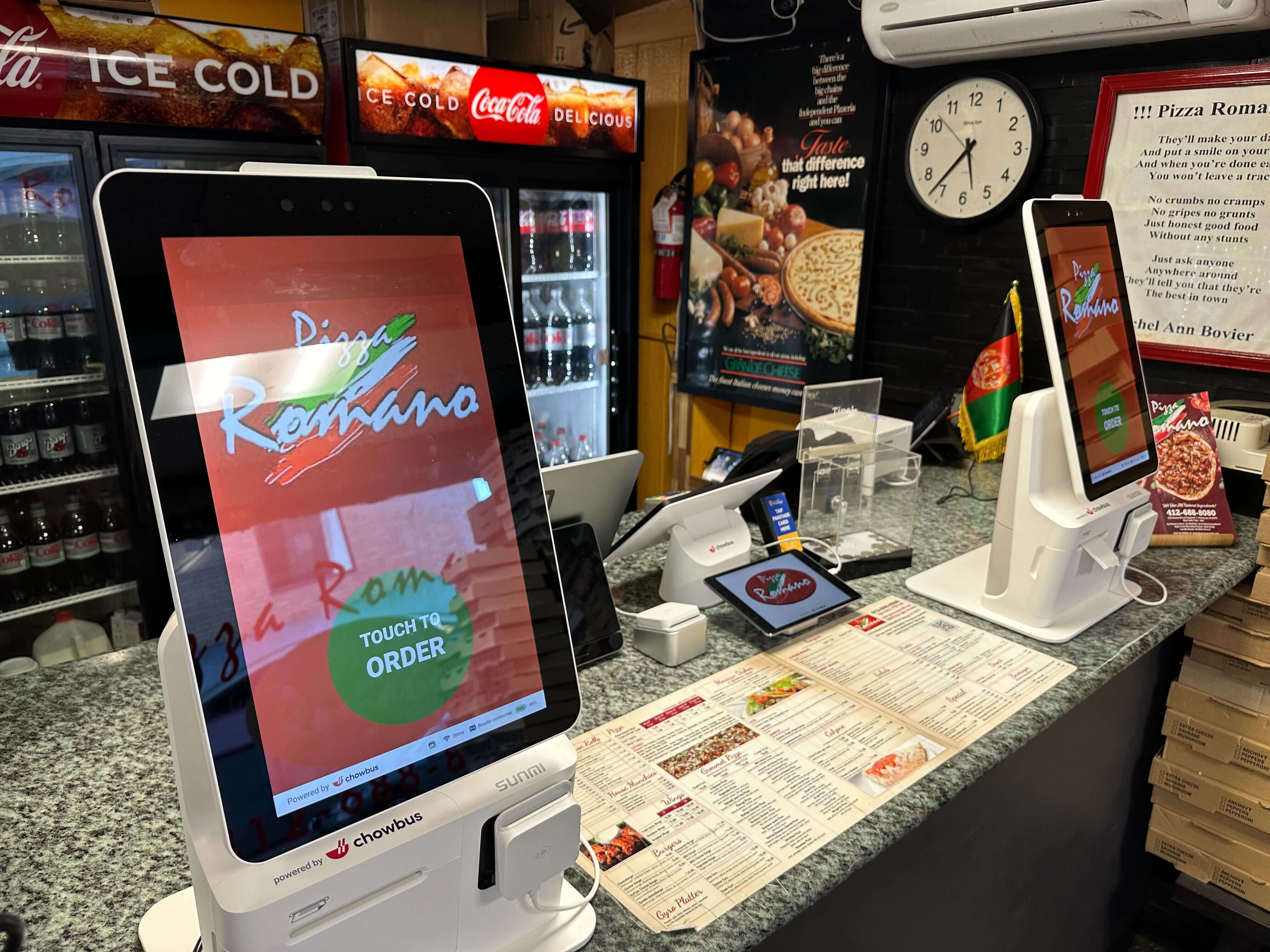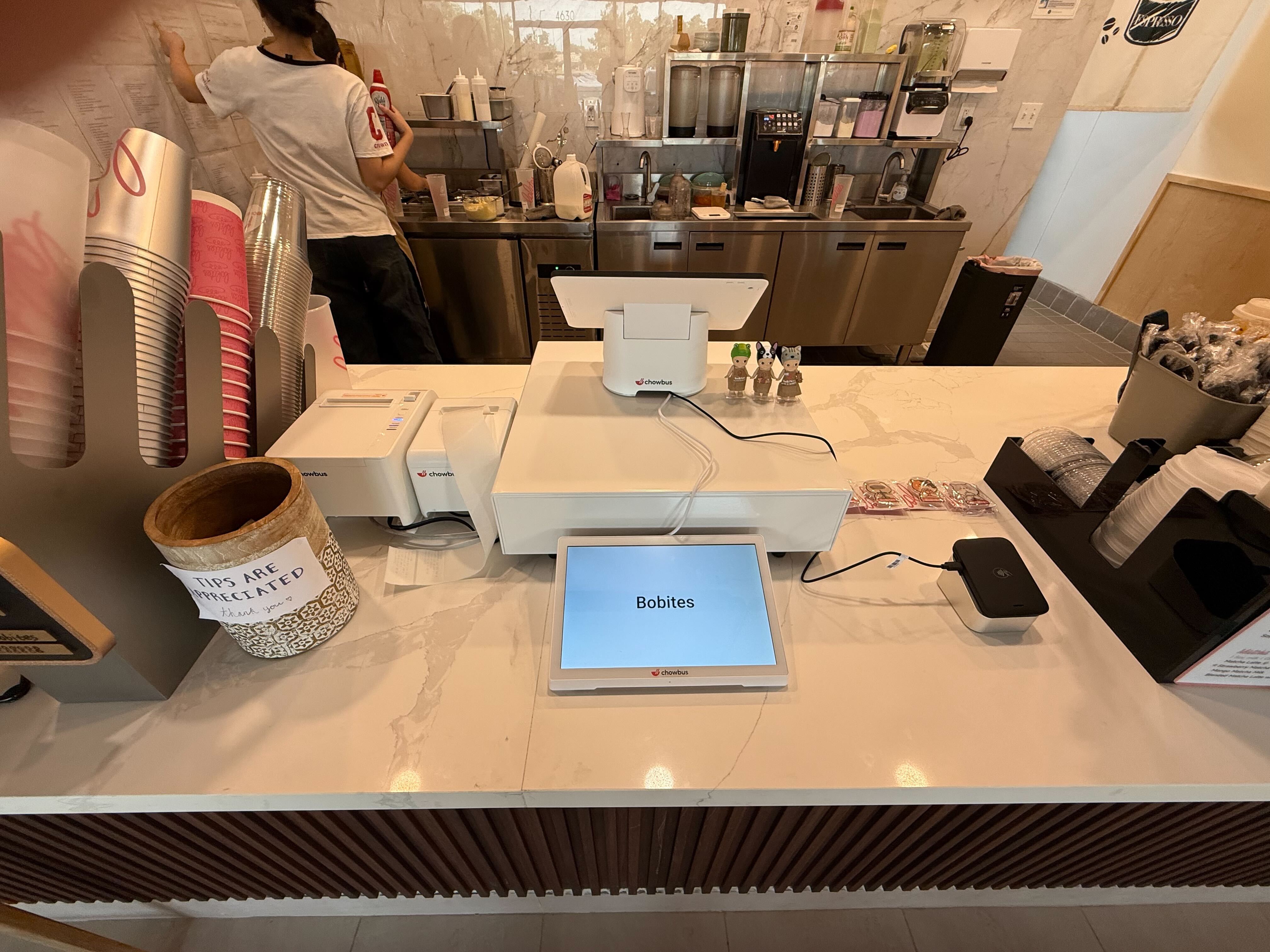
In recent years, the self order kiosk has moved from being a novelty in quick-service chains to a mainstream operational consideration for independent restaurants and regional brands. Yet many conversations still reduce the decision to a single variable: labor savings.
That perspective overlooks the broader structural implications. A self order kiosk is not simply a device that replaces a cashier. It reshapes how restaurants manage throughput, allocate labor, design physical space, collect customer data, and even position their brand in a competitive market.
For restaurant owners evaluating whether to adopt a self order kiosk, the real question is not “Will it cut costs?” but rather “How will it change the way my restaurant operates over the next five years?”
In traditional counter-service environments, the bottleneck is almost always human bandwidth. Even with highly trained staff, order taking is sequential. Each guest must wait their turn. During peak hours, the line becomes a visible signal of operational strain.
A self order kiosk introduces parallel processing. Instead of one or two order-entry points, multiple customers can interact with the system simultaneously. This dramatically alters flow dynamics.
But the impact goes deeper than speed. When restaurants redesign the front-of-house around kiosks, they often discover opportunities to:
The result is not just shorter lines—it is a rebalanced service architecture.
However, this only works when kiosk placement, screen visibility, and menu design are carefully aligned with guest behavior. Simply placing a machine near the door without rethinking traffic patterns often leads to underutilization.
One of the most underappreciated aspects of a self order kiosk is the quality of behavioral data it generates.
Every tap, scroll, pause, and modifier selection becomes measurable. Over time, this creates a behavioral map of how guests interact with the menu. Operators can identify:
Unlike verbal ordering, where upselling depends heavily on employee training and consistency, kiosk-based selling is standardized. That standardization creates controlled experimentation environments.
Restaurants can A/B test menu placement, photo usage, bundling strategies, and pricing tiers in ways that were previously impractical in physical environments.
If you’re exploring how kiosk data can integrate with reporting dashboards and operational analytics, it’s worth reviewing how unified systems convert order interactions into long-term strategic insights.
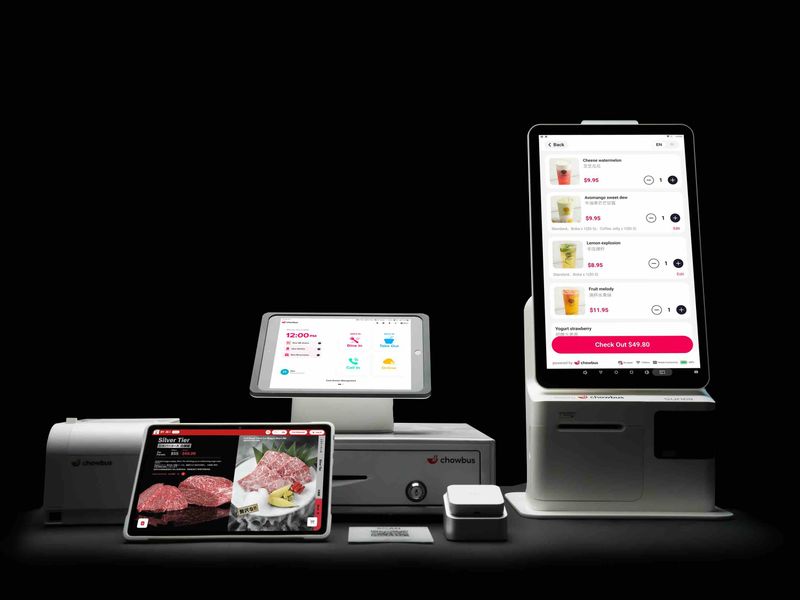
It is tempting to frame a self order kiosk as a headcount reduction tool. In reality, its most significant labor impact often lies in risk mitigation and role redefinition.
Front-counter roles in the U.S. restaurant industry experience high turnover. Training costs, onboarding time, and inconsistency directly affect service quality. By shifting repetitive transactional tasks to kiosks, operators can reassign team members toward:
This redistribution reduces the operational volatility caused by staffing shortages. During peak periods, kiosks absorb demand spikes without requiring proportional increases in labor.
In a labor market where wages and turnover remain ongoing challenges, that predictability becomes a competitive advantage.
Modern diners—particularly younger demographics—are accustomed to mobile-first and self-directed purchasing experiences. A self order kiosk aligns with those behavioral expectations.
But adoption is not universal. Some guests prefer human interaction. Therefore, the most effective implementations maintain hybrid service models.
From a psychological perspective, self-directed ordering reduces perceived pressure. Guests can browse without feeling rushed. They can customize confidently. This often increases attachment to the purchase decision and reduces post-purchase dissatisfaction.
Interestingly, studies in retail environments show that perceived control correlates with higher spending comfort. In restaurants, similar dynamics may influence add-on behavior and meal customization patterns.
When calculating the ROI of a self order kiosk, focusing only on hardware cost creates an incomplete picture.
The full financial model should incorporate:
High-volume quick-service restaurants typically see faster ROI due to transaction density. Lower-volume restaurants must evaluate whether guest flow justifies the investment.
Long-term value often depends more on integration than equipment cost. A kiosk that operates in isolation delivers limited insight. A kiosk integrated with POS, kitchen display systems, and reporting tools contributes to enterprise-level scalability.
Not every restaurant format benefits equally from a self order kiosk. Fine dining concepts emphasizing personalized interaction may find limited alignment. Conversely, fast casual and quick service formats often integrate seamlessly.
The most common implementation mistakes include:
Technology alone does not create transformation. Operational alignment does.
Yes, especially in high-traffic or labor-constrained environments. The decision should align with transaction volume and layout flexibility.
Not always. Many operators use kiosks to stabilize staffing rather than eliminate roles.
ROI varies by volume and implementation quality. High-density environments often see faster payback periods.
Modern kiosks typically integrate with established POS systems, but compatibility should be verified in advance.
System integration, menu optimization, and staff adoption are more important than hardware specifications.
A self order kiosk should not be installed because competitors are using one. It should be implemented when it aligns with long-term operational design, data strategy, and growth planning.
When positioned correctly within an integrated ecosystem, it becomes infrastructure—not just equipment.
If you're evaluating whether a self order kiosk fits your operational roadmap, consider scheduling a demo or connecting with our team to explore practical implementation scenarios.