Over the past decade, kiosk self ordering has moved from being a novelty in large fast-food chains to becoming a serious operational strategy for independent restaurants, regional groups, and multi-unit operators. For many restaurant owners across the U.S., the decision is no longer about whether self-service technology is “modern,” but whether it meaningfully improves margins, labor efficiency, and guest experience.
If you’re evaluating whether kiosk self ordering fits your business, this guide walks through how it works, what it changes operationally, and what factors truly determine ROI.
The conversation around kiosk self ordering used to focus primarily on quick-service chains. Today, however, rising labor costs, staffing volatility, and growing customer comfort with digital interfaces have changed the equation. Guests are now accustomed to ordering through apps, tablets, and QR menus. A self ordering kiosk no longer feels unfamiliar—it often feels efficient.
For restaurant operators, the appeal goes deeper than convenience. Kiosk systems reduce order-taking bottlenecks during peak hours and allow front-of-house staff to focus on hospitality rather than transactional tasks. In high-volume environments, that operational shift alone can reshape throughput and ticket averages.
Industry reports from the National Restaurant Association consistently show that a growing percentage of operators are investing in automation and labor-saving technology. Kiosk self ordering is one of the most visible manifestations of that trend.
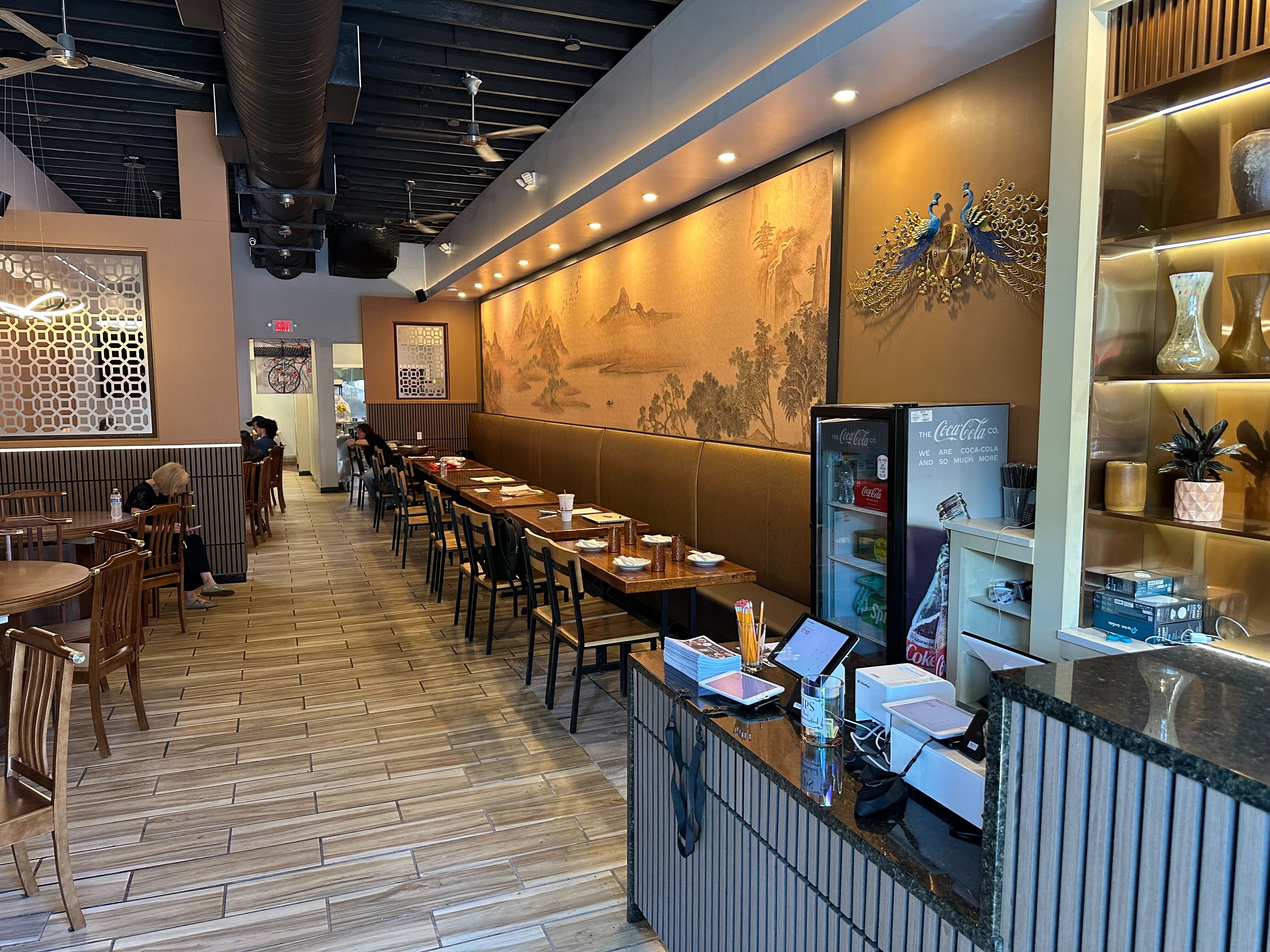
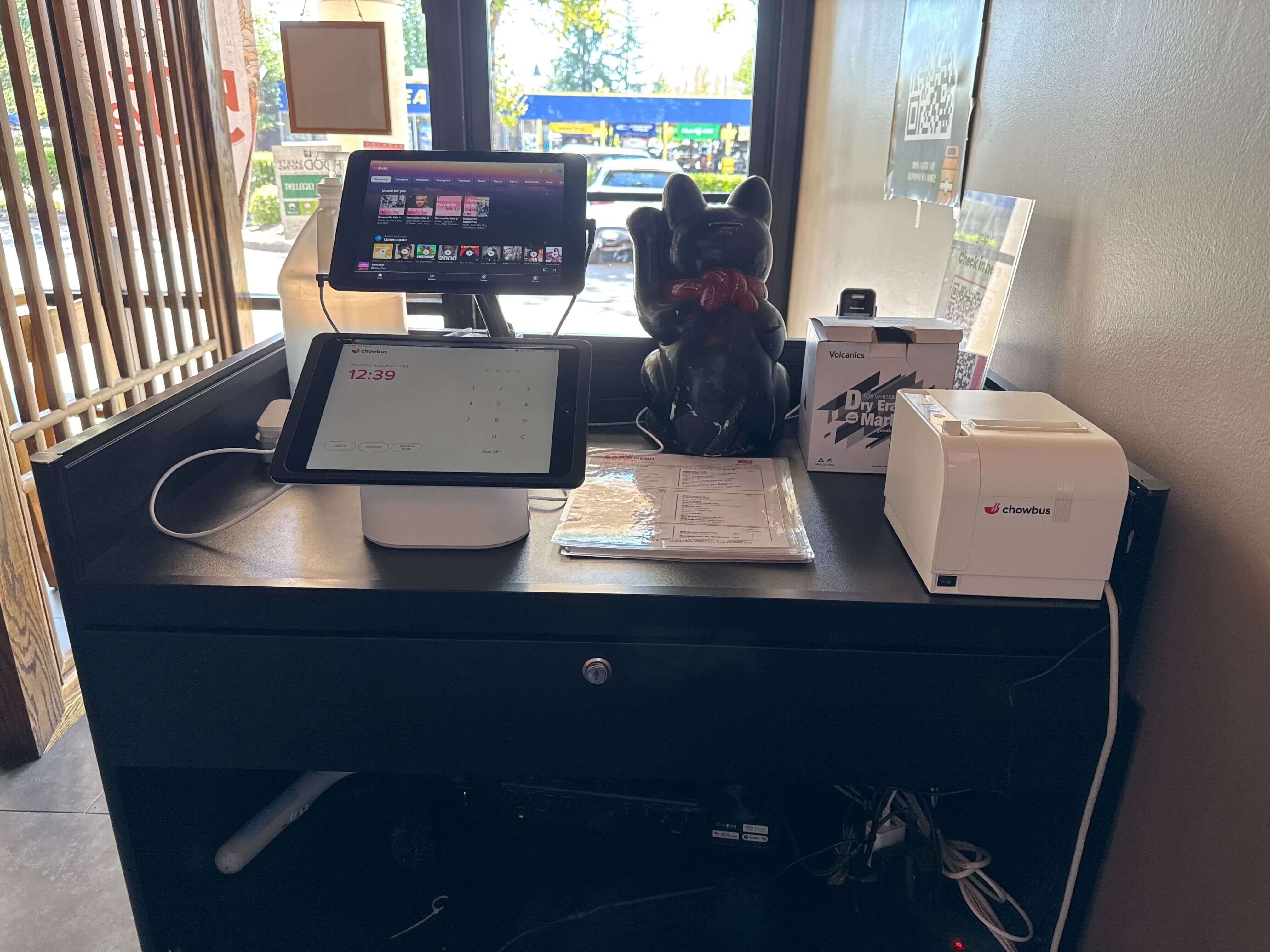
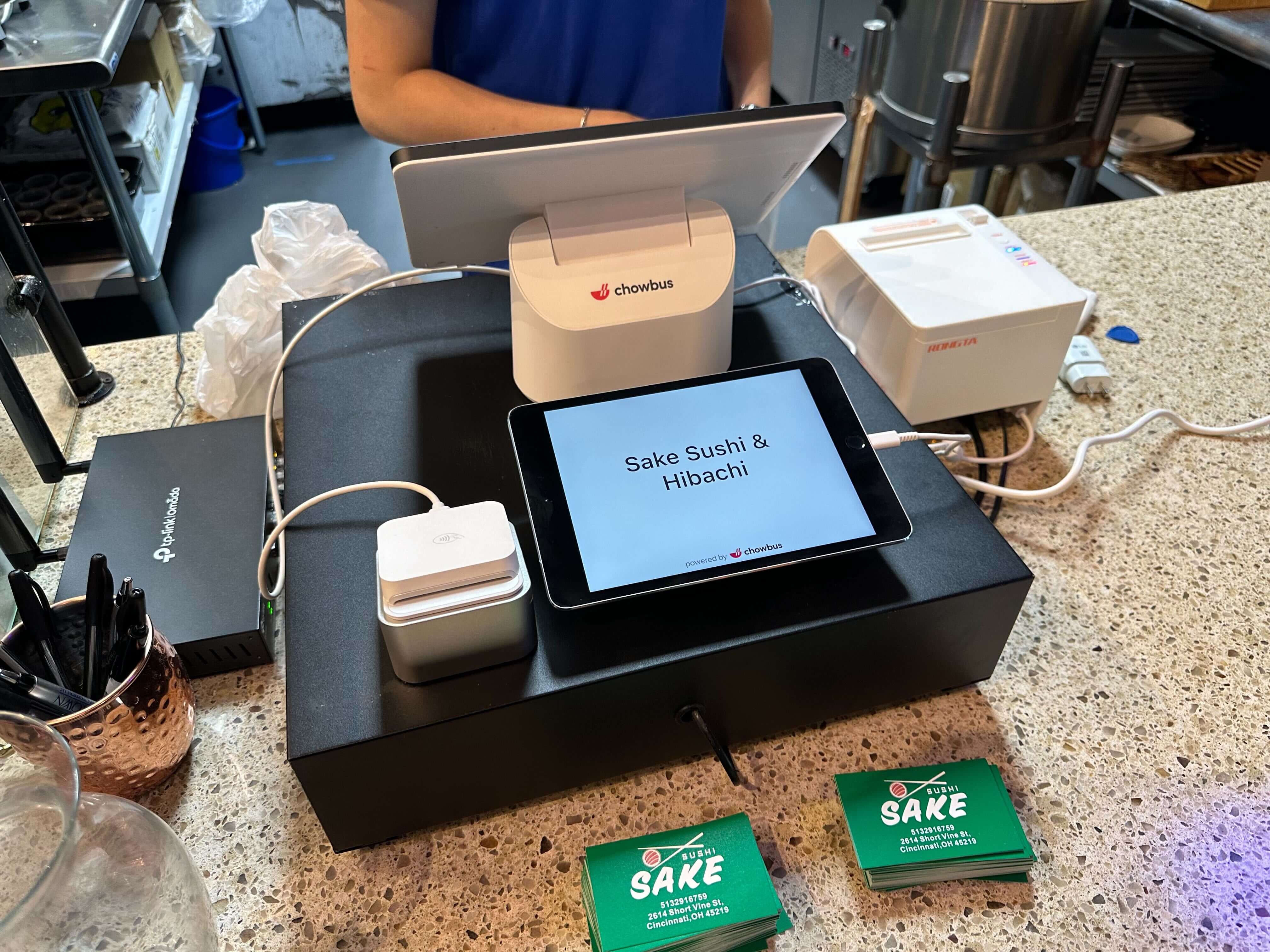
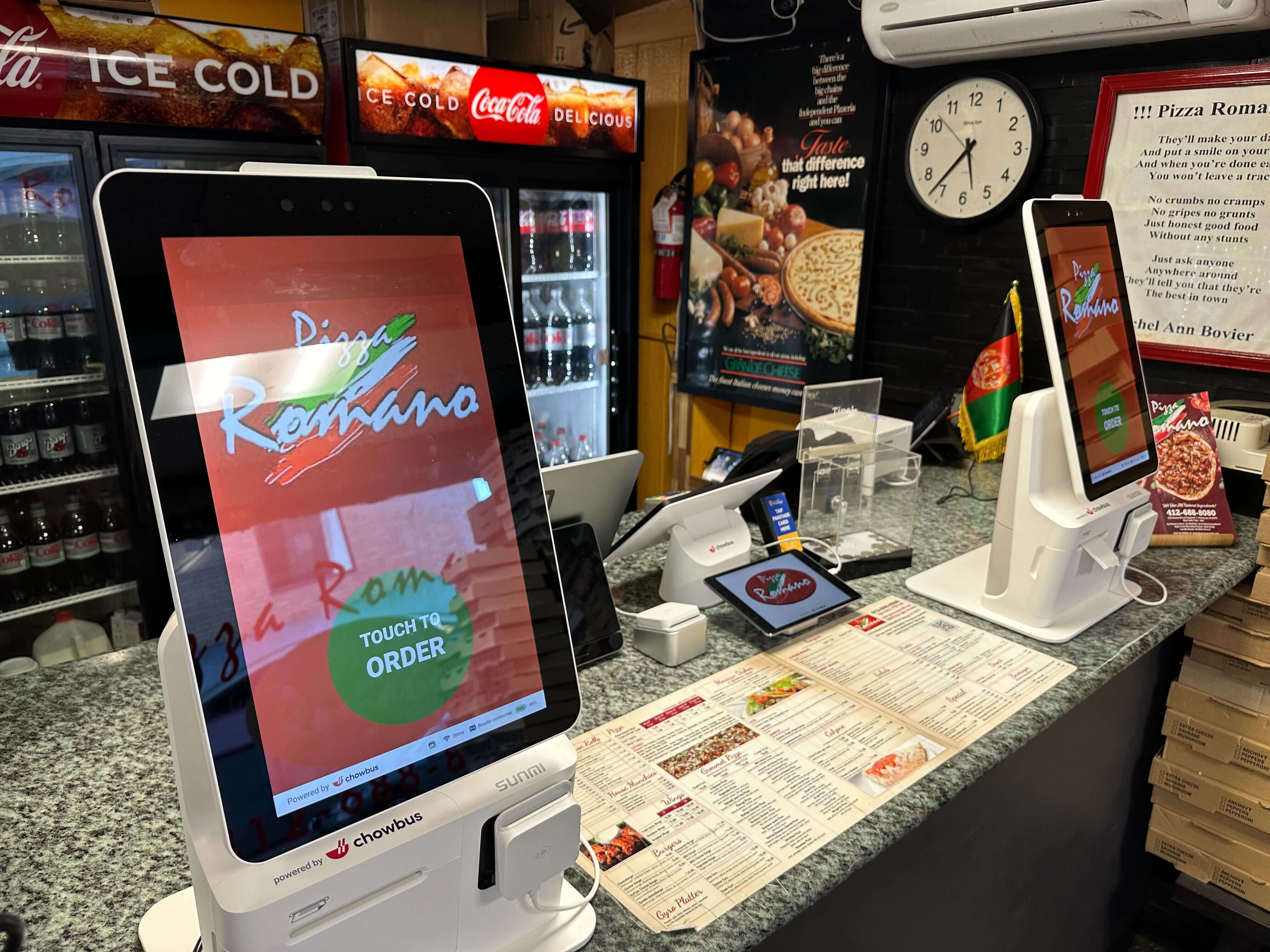
At a practical level, kiosk self ordering integrates directly with your restaurant POS system. When a guest places an order at the kiosk, the data flows instantly into the POS, then to the kitchen display system or printers, just as if a cashier had entered it manually.
However, the operational impact extends beyond simple order transmission. Modern kiosk platforms are connected to menu management systems, inventory tracking, and even restaurant loyalty programs. That integration allows real-time menu updates, dynamic pricing, and personalized upsell suggestions.
From a workflow perspective, the front counter becomes less of a queue-management station and more of a guest support zone. Staff can assist with questions, manage traffic flow, and ensure a smooth pickup experience rather than focusing solely on keying in orders.
When restaurant owners consider kiosk self ordering, the central question is financial return. While hardware and software costs vary, the measurable benefits tend to fall into three core categories: labor efficiency, increased average ticket size, and order accuracy.
Labor savings do not necessarily mean replacing staff. Instead, they allow restaurants to reallocate labor more strategically. During peak service windows, fewer employees are needed at the register, which can reduce overtime and turnover pressure.
Perhaps more importantly, self ordering kiosks consistently increase average check size. Digital interfaces make it easier to present add-ons, upgrades, and combos without the social friction of upselling. Customers often feel more comfortable exploring options privately on a screen, leading to higher attachment rates.
Order accuracy also improves because customers input their own preferences. Fewer miscommunications translate to fewer remakes, lower food waste, and improved guest satisfaction.
Some restaurant owners worry that kiosk self ordering removes the human touch. In practice, the outcome depends on implementation. When used strategically, kiosks do not eliminate hospitality—they reshape it.
Guests who prefer speed and independence appreciate the control. Others may still want assistance, and staff can provide that without being overwhelmed by line pressure. The result is often a hybrid service model that accommodates different dining preferences.
Younger demographics, in particular, expect digital ordering options. Offering kiosk self ordering can signal operational modernity and efficiency, which influences brand perception even beyond the transaction itself.
While kiosk screens and stands are the visible component, the real long-term value lies in the kiosk self ordering software behind them. Software determines how seamlessly orders sync with your POS, how easily menus can be updated, and how effectively data can be analyzed.
Operators should evaluate whether the kiosk integrates with:
Disconnected systems can create operational silos. An integrated ecosystem ensures that kiosk orders contribute to unified reporting and performance tracking.
Want to see how a fully integrated kiosk system works inside a modern restaurant environment? Explore how the system connects ordering, POS, and kitchen workflows in real time.
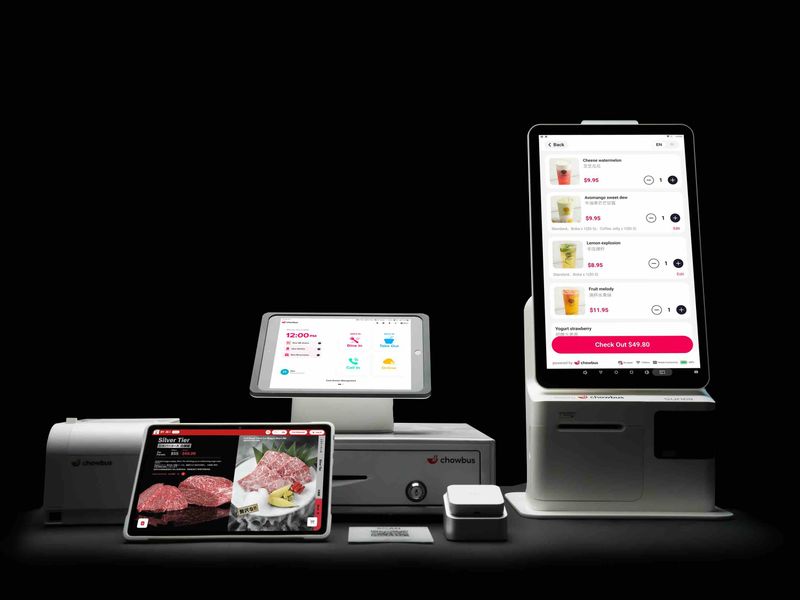
Before adopting kiosk self ordering, restaurant managers should evaluate physical layout, traffic flow, and customer demographics. Placement significantly affects usage rates. Kiosks positioned naturally along guest pathways encourage adoption without forcing behavior.
Training is another critical factor. Even though the technology is self-service, staff must understand the system thoroughly to assist guests and troubleshoot minor issues.
Finally, consider scalability. A kiosk solution that works for one location should support multi-unit growth without requiring complex reconfiguration. Cloud-based systems typically offer stronger scalability and centralized control.
Not necessarily. Many restaurants adopt a hybrid model. Kiosks handle the majority of transactions during busy periods, while staff remain available for support, hospitality, and complex requests.
Revenue impact varies, but many operators report higher average ticket sizes due to automated upselling and combo suggestions. The financial return depends on menu design, traffic volume, and integration quality.
It depends on service style. While more common in quick-service and fast-casual models, kiosks can support ordering in certain fast-casual or hybrid dining formats.
Integration and layout planning are typically more challenging than the technology itself. Poor placement or disconnected systems can reduce effectiveness.
Many operators observe measurable improvements within months, particularly during peak traffic seasons. ROI depends on transaction volume and labor allocation strategies.
Kiosk self ordering is not simply a technology trend—it represents a structural shift in how restaurants manage throughput, labor, and guest expectations. For operators navigating rising costs and changing customer behavior, it offers a data-driven way to increase efficiency without sacrificing experience.
The key is thoughtful implementation, strong software integration, and alignment with your service model.
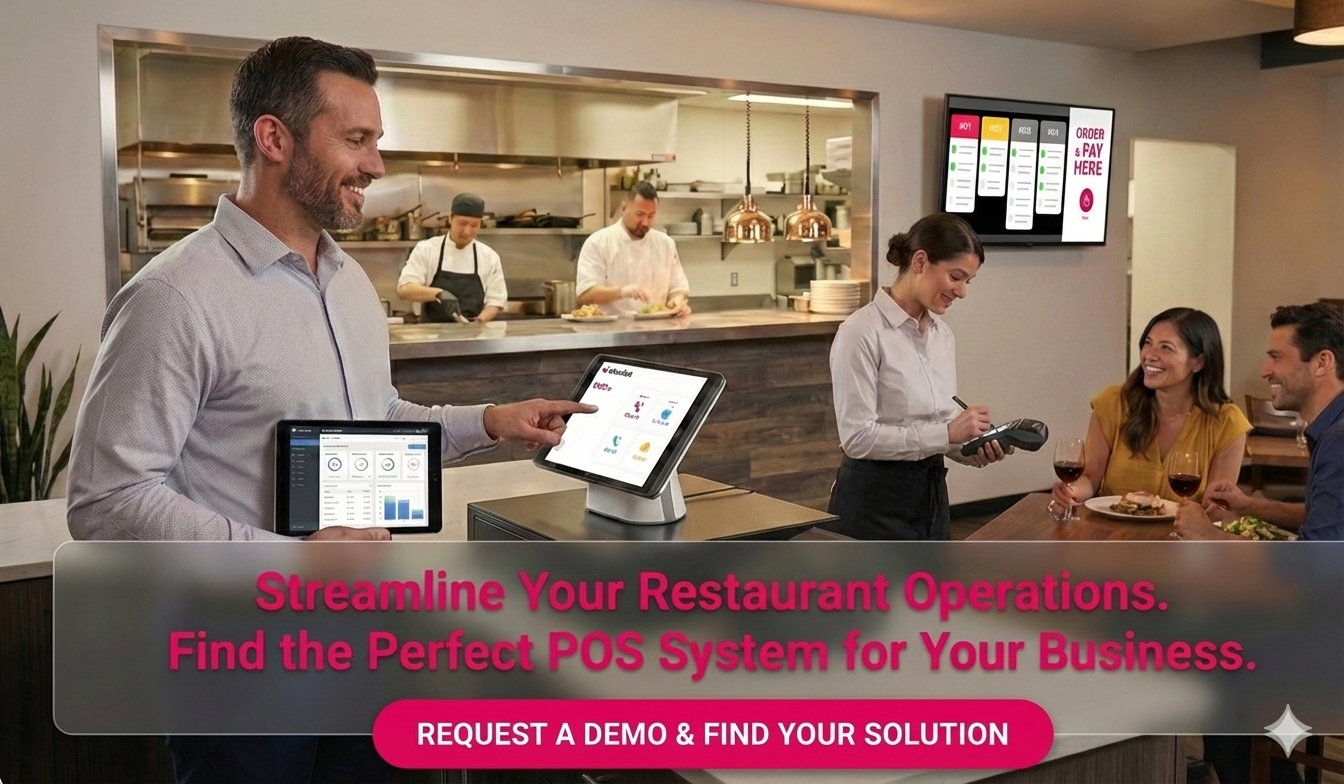
If you're evaluating kiosk solutions and want to understand how they fit into your existing POS and operations, connect with our team or request a demo to explore the system in action.