How Nana's Green Tea Sells More From the Same Crowd With Chowbus
Nana's Green Tea
How Nana's Green Tea Sells More From the Same Crowd With Chowbus
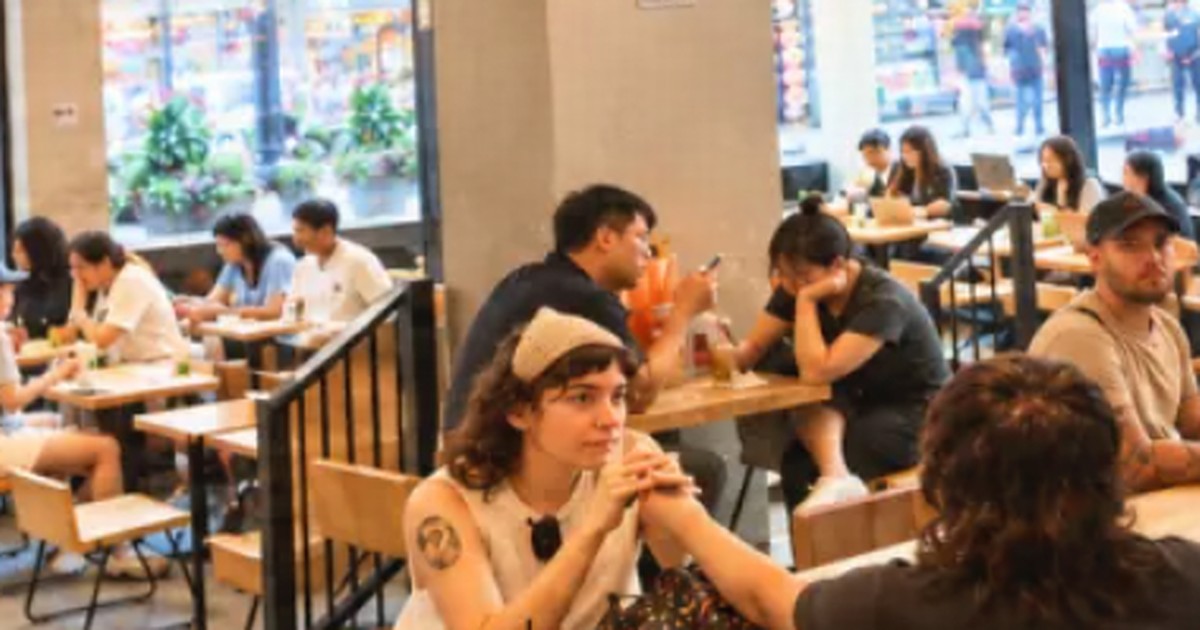
Nana's Green Tea has 70 seats and one of New York's busiest subway exits outside its door. The team uses Chowbus for the four steps that decide how much each rush turns into revenue: web and delivery orders on one POS, self-order kiosks that put add-ons on the screen, a pickup screen that lets guests wait in a seat, and gift cards plus membership that bring people back. Nana's reports that online ordering is now about 20% of its orders with no platform commission, and that average check rose by about 10%.
Seventy seats, a subway exit at the door, and a matcha menu with more than a dozen ways to order one latte. Here is how Nana's Green Tea in New York makes the same rush add up to more.
Key Takeaway: Nana's Green Tea has 70 seats and one of New York's busiest subway exits outside its door. The team uses Chowbus for the four steps that decide how much each rush turns into revenue: web and delivery orders on one POS, self-order kiosks that put add-ons on the screen, a pickup screen that lets guests wait in a seat, and gift cards plus membership that bring people back. Nana's reports that online ordering is now about 20% of its orders with no platform commission, and that average check rose by about 10%.
About Nana's Green Tea
Nana's Green Tea came to New York from Tokyo. The New York shop sits at what the team describes as the third-busiest subway exit in the city by foot traffic. It opens at 11 a.m., and on weekends it keeps serving until midnight.
Matcha has been hot for two years, and anyone who sells tea knows it. Social media conversation about matcha is up nearly 20% in a year, and the matcha that restaurants buy has been getting more expensive along with it. When traffic and costs rise together, profit depends on how much of the same crowd you catch and how much you sell to it.
The room is full, and guests notice how it runs. One TripAdvisor reviewer wrote that the self-ordering station "made the experience smooth and efficient." Another wrote, "I liked the convenience and I received my order in no time."
The Challenge: 70 Seats, Full at Once
The shop is well known. What guests do not see is the work behind a full room: taking orders, keeping drinks moving, handing them over, and answering delivery orders, all in the same hour. A matcha latte and a serving of ice cream take different amounts of time to make, so the wait is uneven. Each of those steps either holds up the crowd or lets it through.
Nana's gave four of those steps to Chowbus: how the order arrives, how guests build it, how they wait for it, and what brings them back.
The Solution: Four Steps, One System
01 Online Ordering: The Order Arrives Before the Guest
A good share of tea and dessert business never happens inside the shop. Some guests order on the way and pick up on the move. Others get home from work, want a matcha latte, and will not go back out for it.
Whether the shop catches them depends on the online path. Nana's takes web orders through Chowbus Online Ordering. The whole menu, add-ons included, sits on the page. Guests choose flavor, quantity, and pickup time on their phone in one pass, and anything sold out for the day turns grey on its own, so nobody orders a drink that is not there.
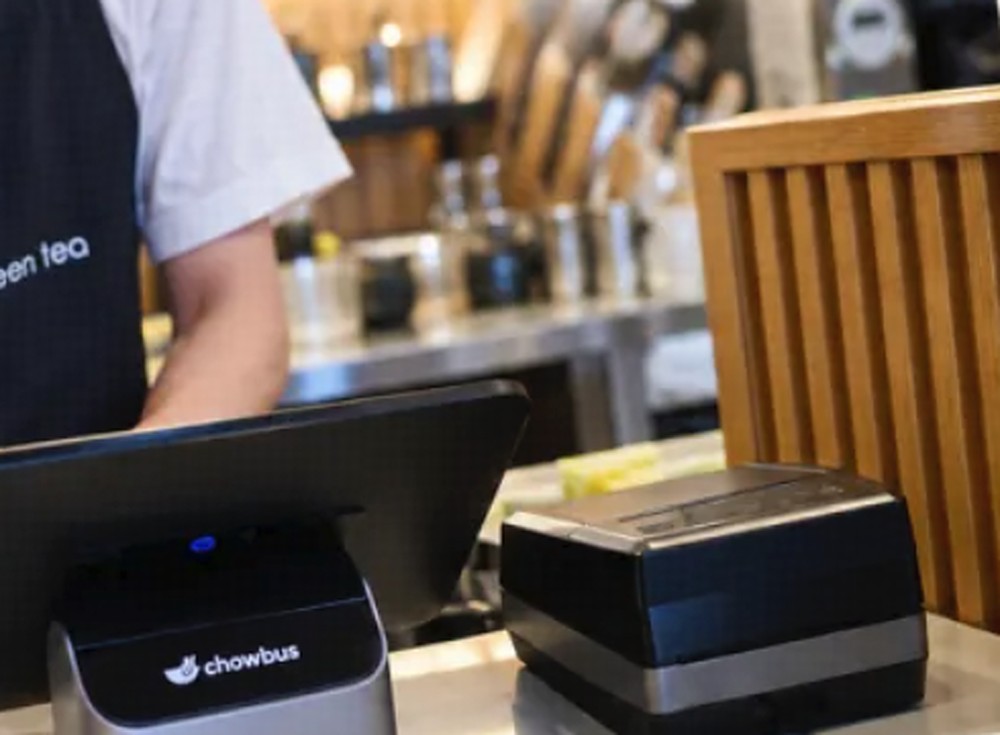
Some guests come from delivery apps. Those orders do not need a tablet each: delivery-platform orders flow into the same Chowbus POS and print or fire automatically, together with dine-in and pickup orders. At the peak, nobody has to watch several screens and switch between them, and the day's sales from every channel are reconciled in one place. The hands that were covering those screens go back to the bar and make more drinks.
"Online ordering is now about 20% of our orders. That share carries no platform commission, so the same order leaves us with noticeably more than it does on a delivery platform." — Nana's Green Tea
Neither group walks through the door, and neither needed another person at the counter. That is business the shop earns on top of the room it already fills.
02 Self-Order Kiosks: Guests Build the Bigger Order Themselves
One matcha latte can be ordered more than a dozen ways. Pick the base: matcha, hojicha, or black sesame. Hot or cold. Then toppings, such as mochi, red bean, or ice cream. Every extra box a guest ticks moves the check up one step.
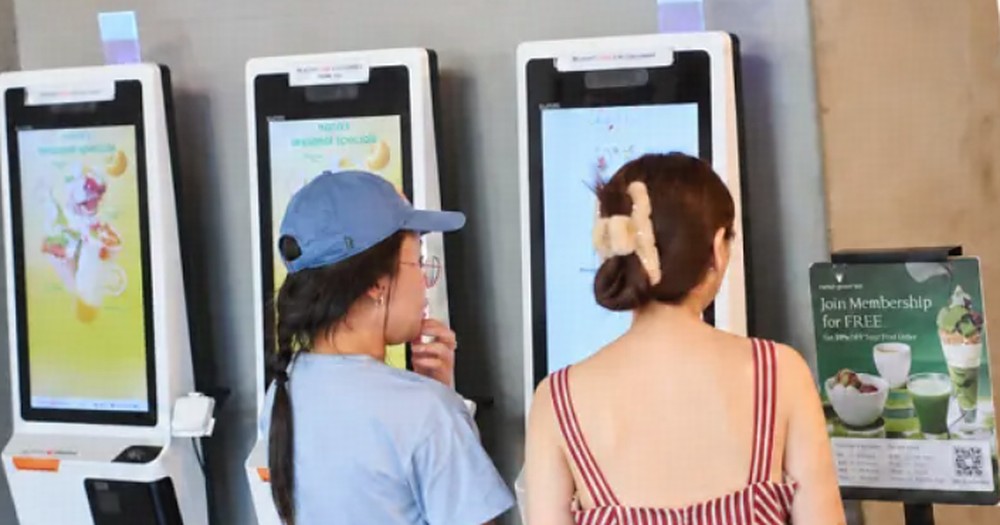
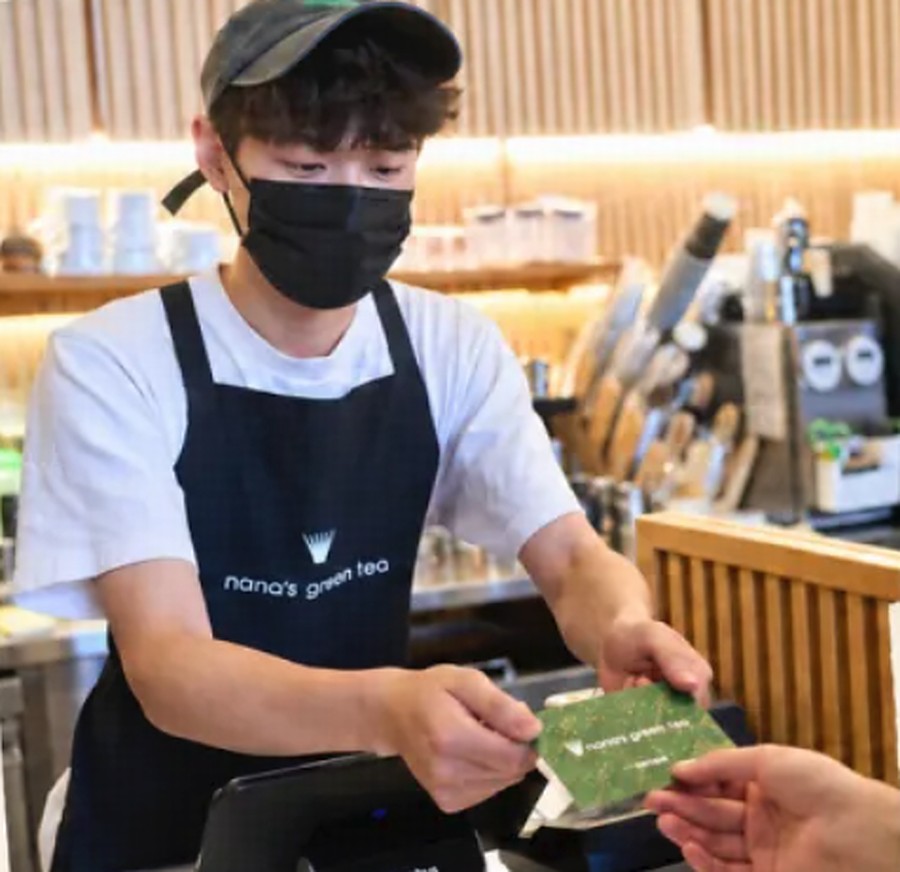
Three self-order kiosks at the entrance take orders at the same time. Add-ons and size upgrades no longer depend on a staff member remembering to ask. Guests see the options, choose, and pay on their own, and what they choose is exactly what arrives at the bar. The person who used to stand at the register goes back to making drinks.
"With the add-on and upgrade options right on the screen, guests just pick them. Average check is up about 10%. On the busiest weekend stretches, the line at the counter is shorter than it used to be, and it frees up one cashier." — Nana's Green Tea
03 Pickup Screen: Guests Wait in a Seat, Not at the Bar
A freshly whisked matcha latte and a serving of ice cream have different prep times, but guests often end up standing at the bar anyway, watching and waiting. The pickup screen takes that job over.
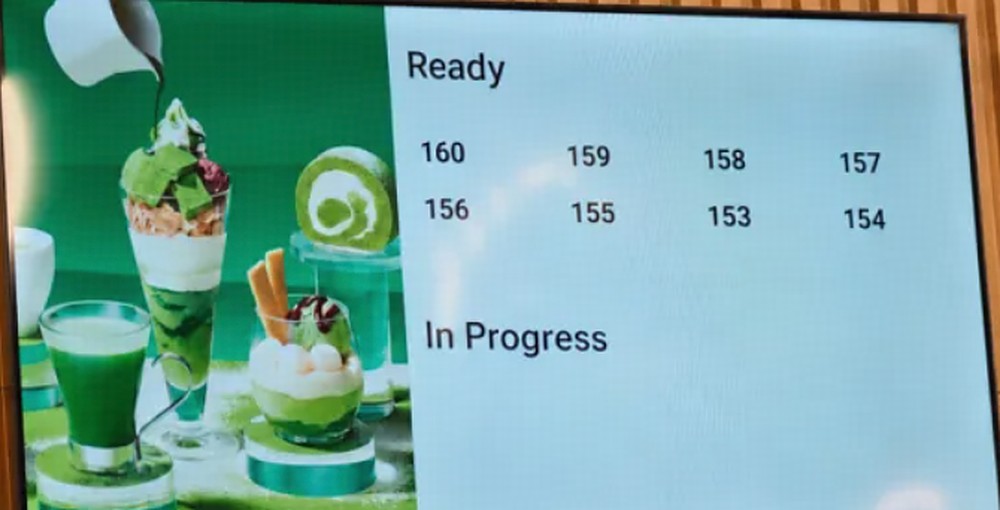
Order numbers light up on the screen, and each one is called as the drink is ready. After ordering, a guest can find a seat and wait for the screen to call their number. Staff no longer shout numbers again and again or pass cups across a crowd. Once the counter stops gathering a crowd, the line moves faster, and guests looking in from the door are more willing to join it.
This is the step where the 70 seats earn their keep. Guests wait for their matcha sitting down, so the counter stays clear. When seats fill and also turn over quickly, the same peak serves more people. One guest summed up the visit in a sentence: order at the machine, find a seat, wait for your number.
04 Gift Cards and Membership: The Money Arrives First, the Guests Follow
The densest holiday stretch of the year is next. A gift card brings in cash the day it is sold, and the person who walks in with it is usually a first-time guest: one payment, two results.
Membership picks up from there. Guests sign up while they order, and the back office records what each one bought and how long it has been since their last visit. A sign at the kiosks invites them in: join free and get 10% off the first order. When a new drink launches or a promotion starts, the shop does not need to buy exposure on a platform again. One message brings members back, and points, stored value, and birthday perks all sit on the same account.
"When we put gift cards out before the holidays, we sold more than twice our usual number. After the holidays, people came back with the cards, and most brought friends. That is a whole extra group of returning guests." — Nana's Green Tea
The gift card brings the money and the guest through the door together. Membership gives that guest a reason to come back.
What Changed: A Full Room That Also Sells
Bring in the orders from outside the shop. Build add-ons and upgrades into the ordering step. Turn seats from furniture into turnover. Connect one visit to the next. Each of these is small on its own. Together they decide how much the same crowd leaves behind.
Here is what Nana's reports:
About 20% of orders now arrive through online ordering, with no platform commission on that share.
Average check is up by about 10% since the kiosks put add-ons and upgrades on the screen.
Weekend lines at the counter are shorter, and the kiosks free up one cashier.
Gift card sales in the run-up to the holidays came in at more than double the usual number, and guests came back with the cards and brought friends.
Why This Matters for Busy Tea Shops of Any Size
This chain does not depend on how big the shop is. A shop with 70 seats runs through it, and so does one with 20. The only difference is where to begin. Start with the step where your shop loses the most: if guests cannot order from outside, begin with online ordering; if the line at the counter is the problem, begin with kiosks and a pickup screen.
Chowbus is the all-in-one, cloud-based POS platform built for restaurants like Nana's Green Tea. It serves more than 9,000 restaurants in all 50 U.S. states, with 24/7 bilingual support in English, Chinese, and Spanish.
Discover Smarter Tech for Ambitious Restaurants
Set up a quick intro — we’ll walk you through how it could work for your business.
Just a heads-up: We’re currently working with U.S.-based restaurants only. Interested in partnerships or other opportunities? Reach out here!
Our Clients
By clicking "Accept all cookies", you agree to storing cookies on your device to enhance site navigation, analyze site usage and assist in our marketing efforts as outlined in our privacy policy.
We use cookies to enhance navigation, analyze usage and support marketing, per our privacy policy — continue browsing to agree, or manage anytime in Cookie Settings.
By clicking 'Accept all cookies', you agree to storing cookies on your device to enhance site navigation, analyze site usage and assist in our marketing efforts as outlined in our privacy policy.