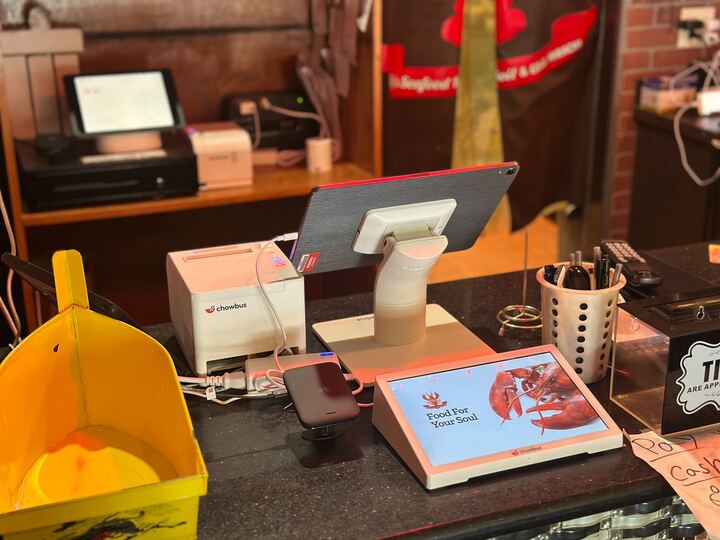
If you’re researching a list of restaurant POS systems, you're probably wondering which options are out there and, more importantly, how to choose the right one for your restaurant. With so many different systems available—each offering unique features, pricing, and use cases—it’s essential to compare them based on your restaurant’s specific needs.
This guide will walk you through what a restaurant POS system is, how it works, and how to evaluate different systems, so you can confidently make the right choice for your business.
A restaurant POS (point-of-sale) system is a tech platform that helps restaurants manage orders, payments, and daily operations. Unlike traditional cash registers, modern POS systems are designed specifically for food service businesses, supporting everything from front-of-house ordering to back-of-house reporting.
A typical restaurant POS system includes:
When reviewing a list of restaurant POS systems, you’ll notice that systems vary in how deeply they support these core functions, so it’s important to choose one that fits your restaurant’s specific workflow.
Understanding how a POS system functions helps explain why costs and features differ across systems.
Orders are placed at the counter, through tablet ordering, or via handheld pos devices. The system automatically applies menu modifiers and combos, ensuring accuracy and reducing errors.
POS systems process payments via cards or mobile wallets, record transactions, and update sales data in real-time.
Orders are sent directly to kitchen prep stations, streamlining operations and reducing delays, especially during peak hours.
Sales data, item performance, and staff activity are tracked and available in real-time, offering insights that help improve restaurant operations and decision-making.
With these features in mind, it’s easy to see why POS systems can vary in complexity and cost.
POS systems are usually categorized based on restaurant type, size, and deployment model. Here are some common types you’ll find:
Cloud-based POS systems operate online and update automatically. They’re popular for their flexibility, scalability, and lower upfront costs, making them a great choice for many restaurants.
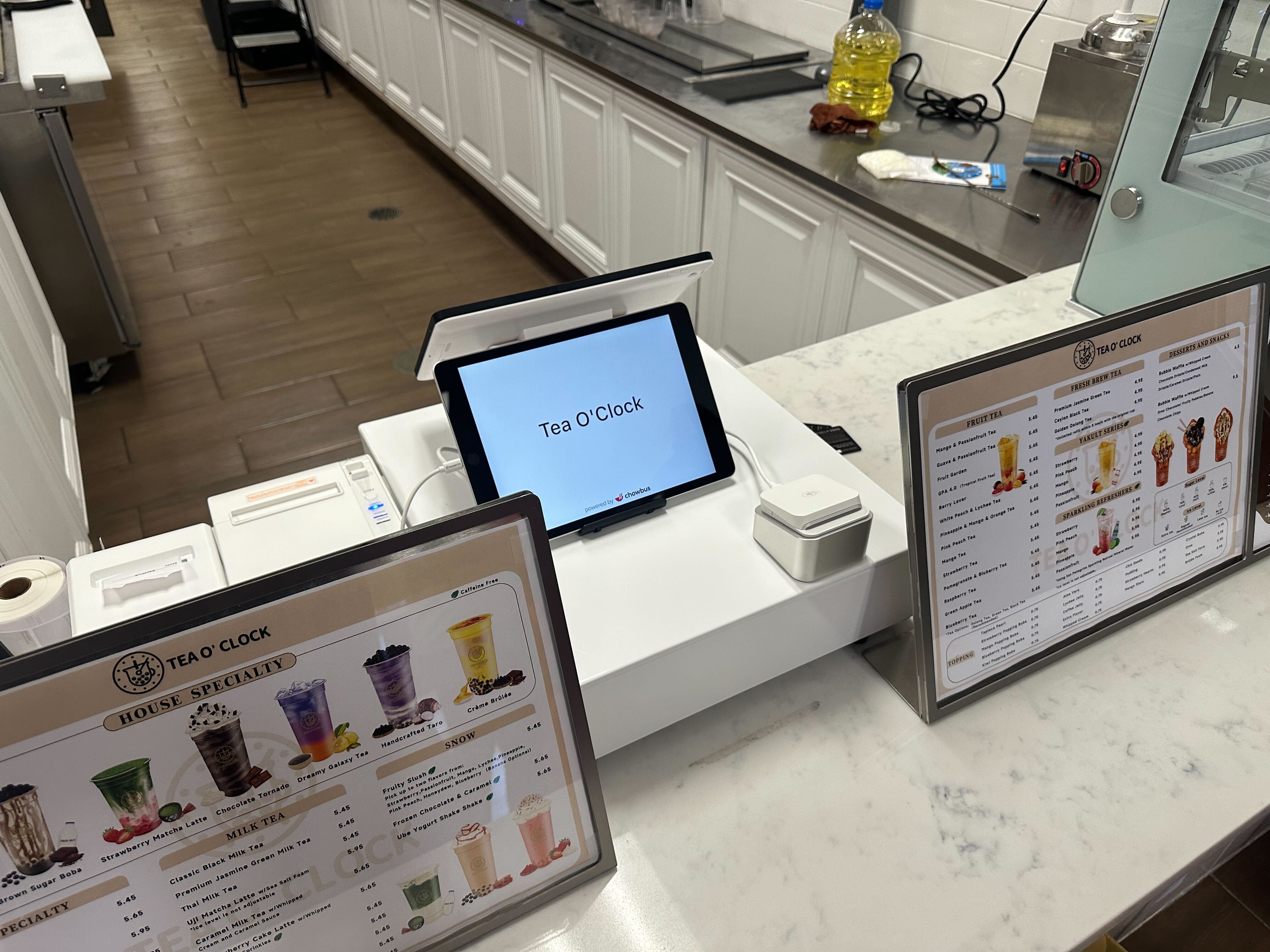
Tablet POS systems are great for smaller restaurants or quick service settings. They offer mobility, ease of use, and flexibility, especially in tight spaces.
Handheld systems allow for tableside ordering, improving service speed and accuracy, particularly during busy times.
Older, on-premise POS systems may lack the flexibility of newer platforms but are still used in some restaurants, particularly those with established setups.
Knowing these categories will help you narrow down which systems are most suitable for your restaurant’s needs.
When reviewing a list of restaurant POS systems, focus on features that will directly impact your daily operations.
Look for systems that handle menu changes, modifiers, and combos easily. A flexible menu management system is crucial, especially in a restaurant with a changing menu or promotions.
Strong reporting tools can help you understand sales trends, staff performance, and customer preferences, making it easier to optimize your restaurant’s operations.
Support for a variety of payment methods—including credit cards, mobile wallets, and cash—can improve guest convenience and speed up checkout.
As your business grows, you may want to integrate online ordering, delivery, or loyalty programs. Choose a POS system that can support these features as your restaurant expands.
Benefits of POS Systems in Restaurants
While each system is different, the core benefits of POS systems remain consistent across most platforms.
Automated order flow, payment processing, and kitchen communication save time and reduce manual work, allowing your staff to focus on what matters.
Real-time reporting gives you insights into sales, staffing, and menu performance, allowing you to make data-driven decisions to improve restaurant operations.
Faster ordering and accurate payment processing lead to a smoother service experience for customers, improving satisfaction and loyalty.
Whether you’re adding online ordering or expanding to new locations, a flexible POS system can grow with your business.
These benefits explain why restaurant POS systems are seen as a foundational investment for both small and large restaurants.
Different types of restaurants have different needs when it comes to POS systems. Here’s how various types of restaurants prioritize features:
Small restaurant POS systems tend to prioritize affordability, ease of use, and scalability. These systems are perfect for restaurants that want something simple but effective, with room to grow.
For QSRs, the POS system must focus on speed, reliability, and handling high-order volumes quickly. These systems are often designed to improve efficiency during busy times.
POS systems for bars often include features for managing split checks, flexible payment options, and faster table-turnover rates.
Pizza restaurants and other specialty establishments often need POS systems that allow for advanced menu customization, order tracking, and efficient routing to kitchen stations.
By evaluating which features are most important for your restaurant type, you can narrow down your choices effectively.
Cost is often a key factor when evaluating a list of restaurant POS systems. However, it’s important to consider more than just the upfront price.
Most POS systems charge a monthly or annual subscription fee based on the features and number of terminals you need. These subscription fees often include updates and support.
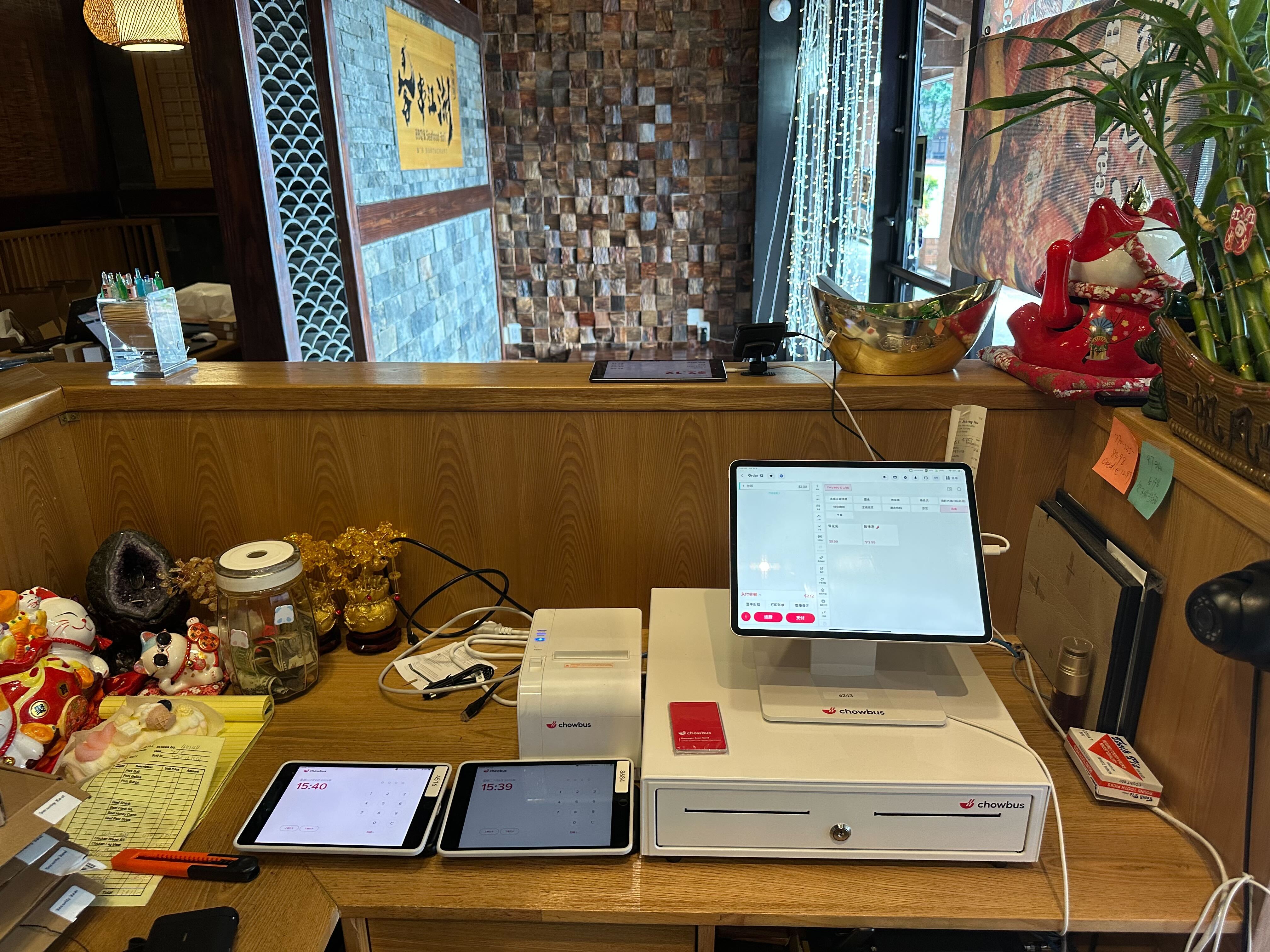
Hardware costs may include terminals, tablets, printers, card readers, and other necessary equipment. Be sure to factor these costs into your total investment.
While cheaper POS systems might seem attractive initially, they may lack key features that improve efficiency and save time in the long run. Consider the total cost of ownership rather than just the upfront price.
When comparing restaurant POS systems, don’t focus solely on the price. Instead, consider the following:
The best restaurant POS system is the one that fits your specific operational needs and budget.
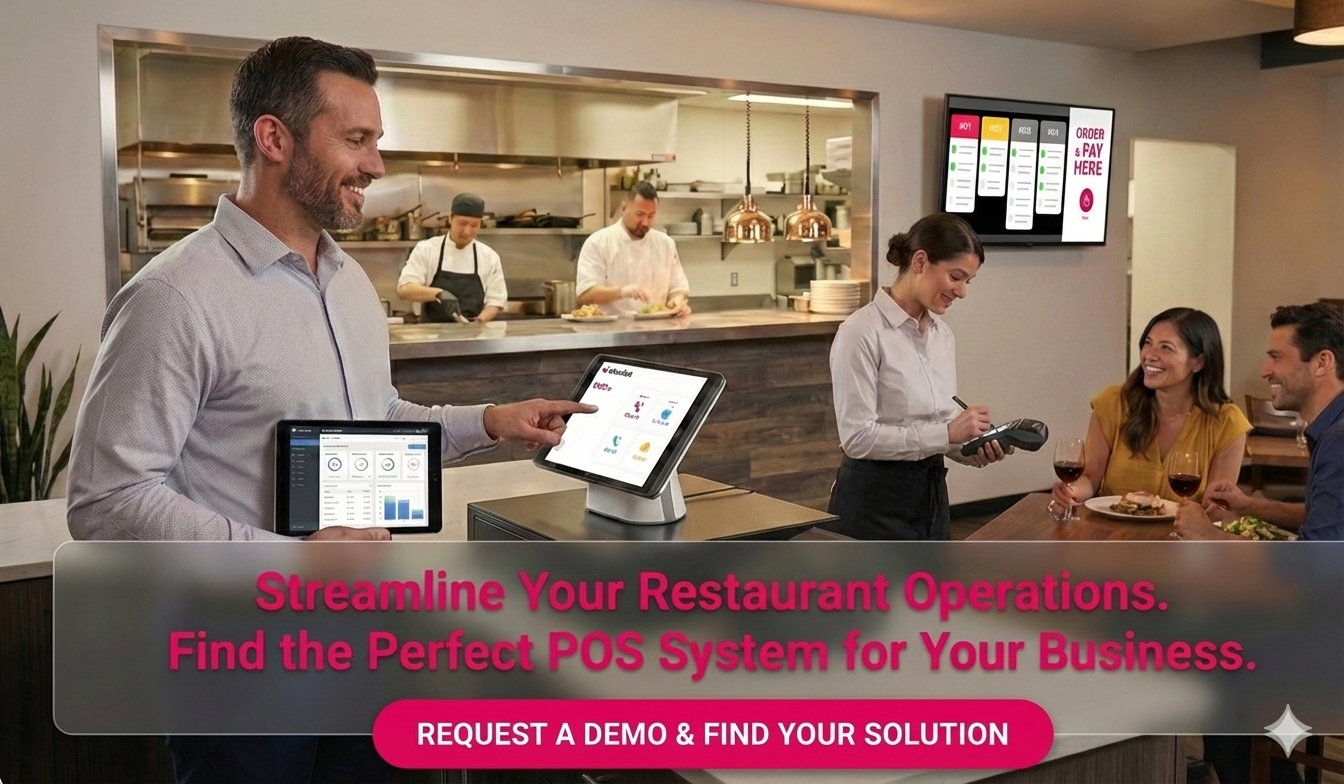
A restaurant POS system is a platform that manages orders, payments, and reporting for food service businesses.
The cost depends on the system’s software, hardware, and features, with most systems using a subscription model.
Yes, there are some free options available, but they may have limited features and may not scale well for larger operations.
Focus on features that match your restaurant type and operational needs, and ensure the system is flexible for growth.
Many modern systems support online ordering and tablet ordering as part of a more extensive POS ecosystem.
A list of restaurant POS systems is just a starting point. The right POS system for your restaurant depends on factors like size, service model, and operational goals. By understanding how POS systems work, the features that matter, and the costs involved, you’ll be able to make an informed decision that supports your restaurant’s long-term success.