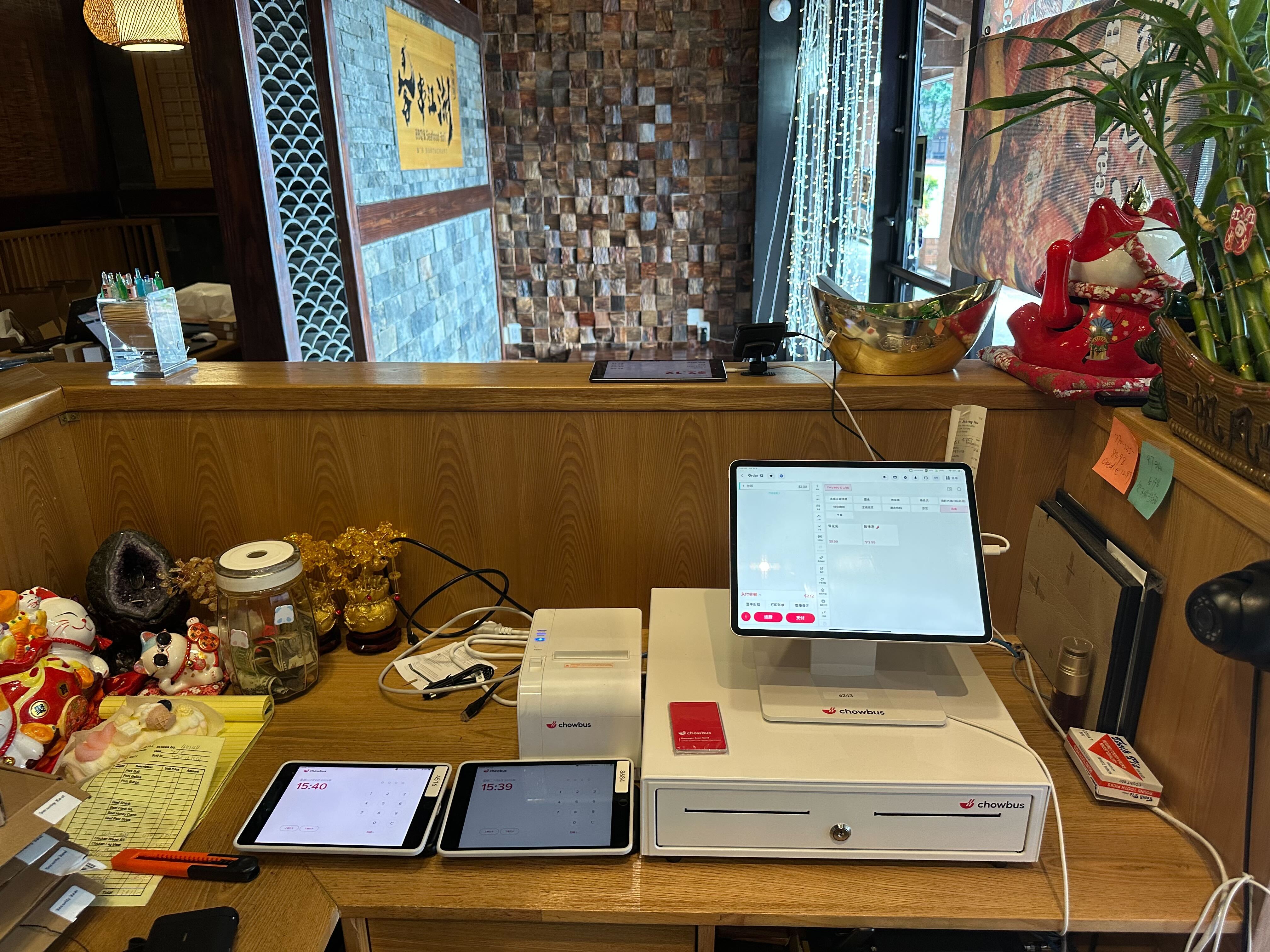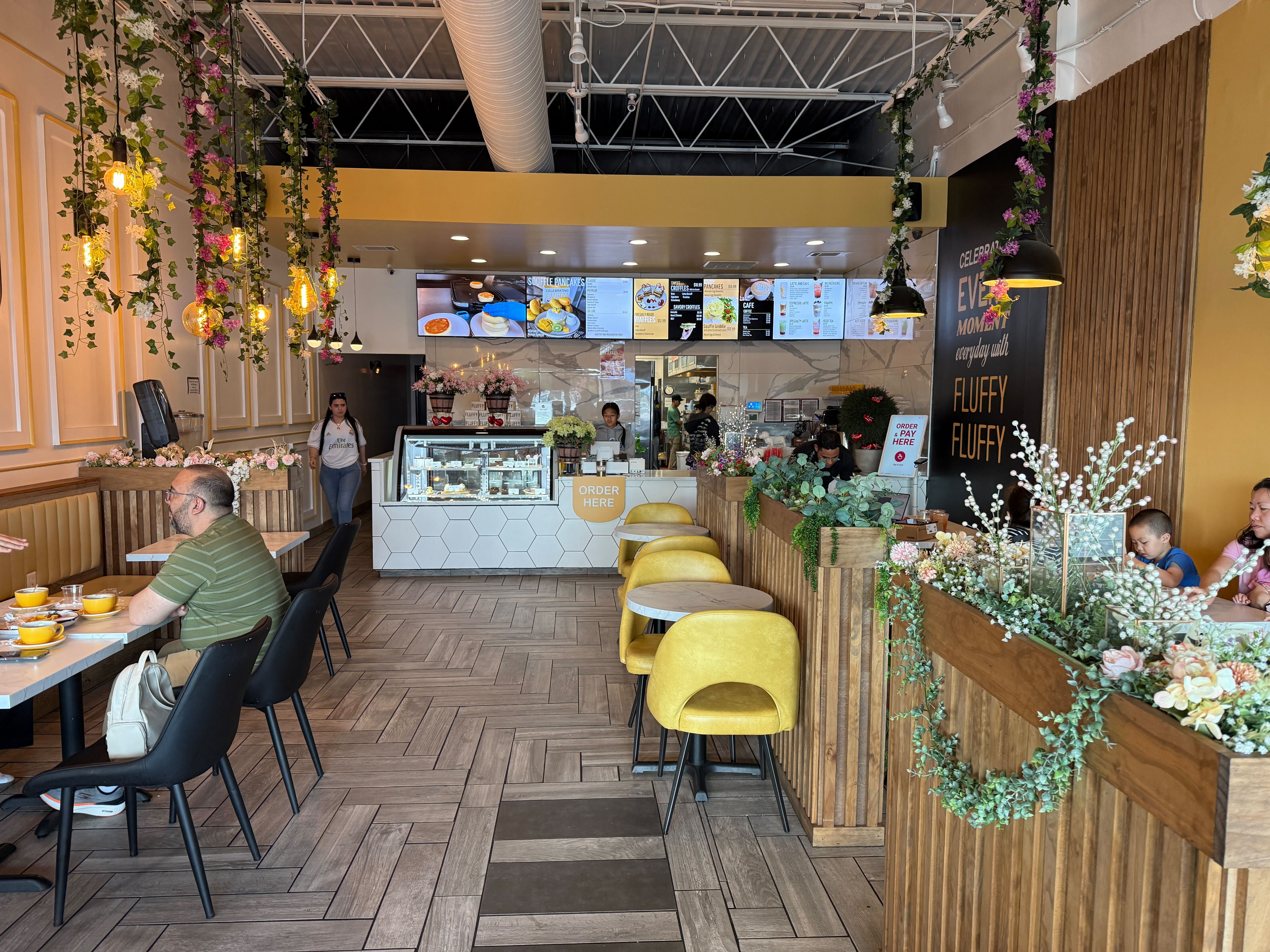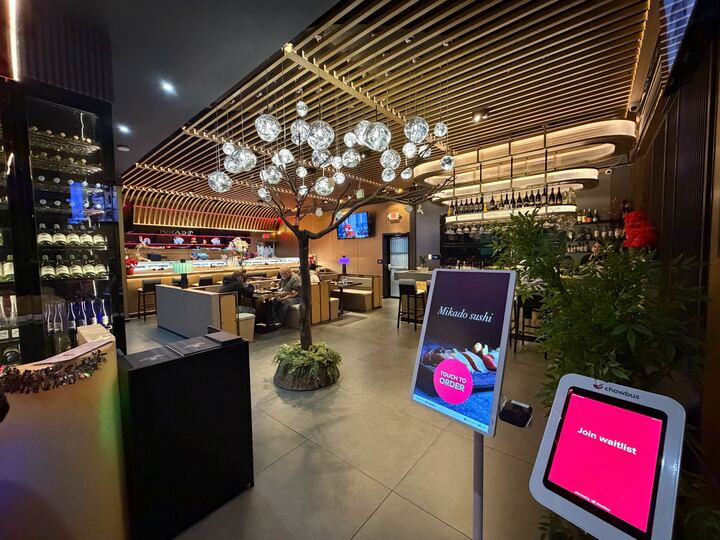
When restaurant owners talk about restaurant POS systems cost, they’re usually asking one simple question:
“How much is this really going to cost me?”
But the real answer isn’t just a number.
Your POS system affects how fast orders move during a lunch rush, how many mistakes reach the kitchen, and how easily you can understand what’s happening in your business—without living in spreadsheets.
According to industry benchmarks, restaurants in the U.S. typically spend 2–6% of annual revenue on technology, and POS systems account for a major share of that investment. For a small or mid-sized restaurant, that often translates to $1,500–$10,000 per year, depending on setup and scale.
This guide breaks down what restaurant POS systems actually cost, what drives pricing, and—most importantly—how to decide whether the cost makes sense for your operation.
At its simplest, a restaurant POS system is how orders get taken and paid for.
In reality, it’s the operating system of your restaurant.
A modern restaurant POS system connects:
So when evaluating restaurant POS systems cost, you’re not just buying hardware or software—you’re choosing how your restaurant runs every single day.
Understanding how POS systems work makes pricing much easier to evaluate.
Staff enter orders at the counter, tableside, or via handheld devices. Modifiers, combos, and upsells are applied automatically—reducing errors and speeding things up during peak hours.
Orders are instantly sent to the correct kitchen station or display screen. No handwritten tickets. No guessing. Fewer mistakes during rush periods.
Guests pay using cards, mobile wallets, or contactless methods. Transactions sync automatically with sales data, tips, and reporting.
Managers can see sales trends, peak hours, labor costs, and top-selling items in real time—often from their phone.
The more seamless this workflow is, the more value your POS delivers—which directly impacts cost justification.
There’s no flat price for a restaurant POS system. Costs vary based on a few key factors.
Most modern POS systems use monthly pricing.
Typical ranges:
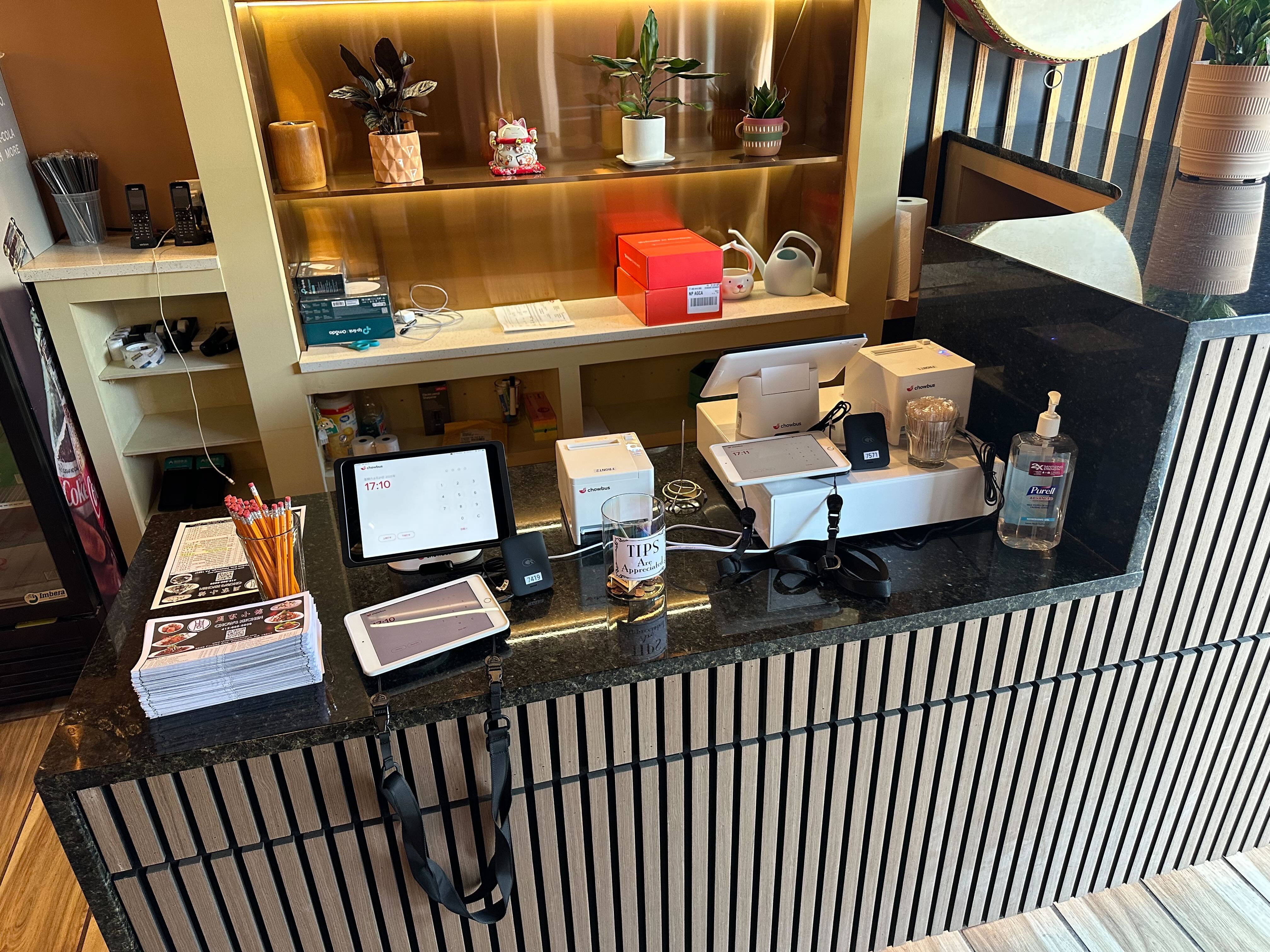
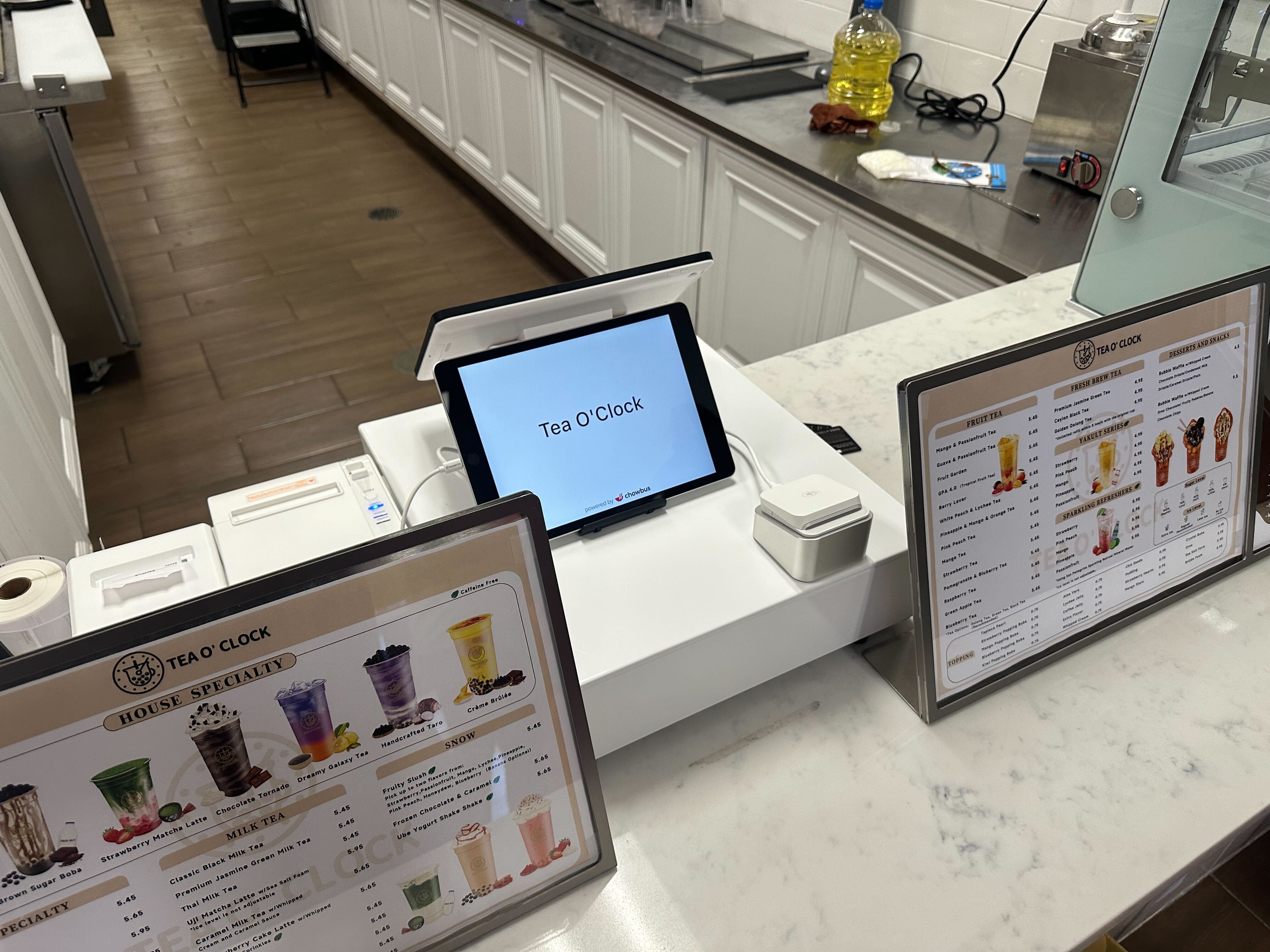
Hardware is usually a one-time investment:
Expect $800–$2,500 per station, depending on setup.
Cloud-based POS systems generally have:
Legacy on-premise systems often require servers, manual updates, and higher maintenance costs.
A coffee shop, a QSR, and a full-service restaurant all need different workflows—and different POS capabilities.
Advanced features like:
Rather than exact prices, it’s more useful to think in tiers.
Best for very small operations or pop-ups.
Lower cost, limited flexibility, and often outgrown quickly.
The most common choice for independent restaurants.
Balanced pricing, solid reporting, online ordering integration, and room to grow.
Designed for multi-unit brands or complex operations.
Higher cost, but centralized control and scalability justify the investment.
Focusing only on the cheapest option often leads to higher costs later—through inefficiencies, staff frustration, or forced migrations.
When restaurant owners evaluate restaurant POS systems cost, the smartest ones look beyond the invoice.
Integrated ordering and payments reduce bottlenecks during peak hours.
Clear modifiers and direct kitchen communication can reduce order errors by 20–30%, according to industry estimates.
Sales and labor data help owners adjust menus, staffing, and hours—often improving margins without raising prices.
A scalable POS system prevents costly replacements as your business expands.
Affordability and simplicity matter most—but flexibility is key for growth.
Speed, uptime, and high-volume handling justify investing in reliable systems.
Split checks, tabs, and flexible payments are essential—and influence cost.
Customization and order routing features add value that offsets higher pricing.
Instead of asking “Which POS is cheapest?”, ask:
The best restaurant POS system isn’t the cheapest—it’s the one that earns its cost back through efficiency and clarity.
How much does a restaurant POS system cost?
Most restaurants spend $1,500–$10,000 per year, depending on size and setup.
Are free POS systems worth it?
Free systems usually come with limitations that can slow growth.
Are cloud-based POS systems more affordable?
Yes—lower upfront costs, easier updates, and better scalability.
Should I choose the cheapest POS available?
Short-term savings often lead to long-term costs.
Restaurant POS systems cost isn’t just a line item—it’s an operational decision.
The right system improves speed, accuracy, and insight across your restaurant. When chosen carefully, it becomes an investment that pays for itself over time.