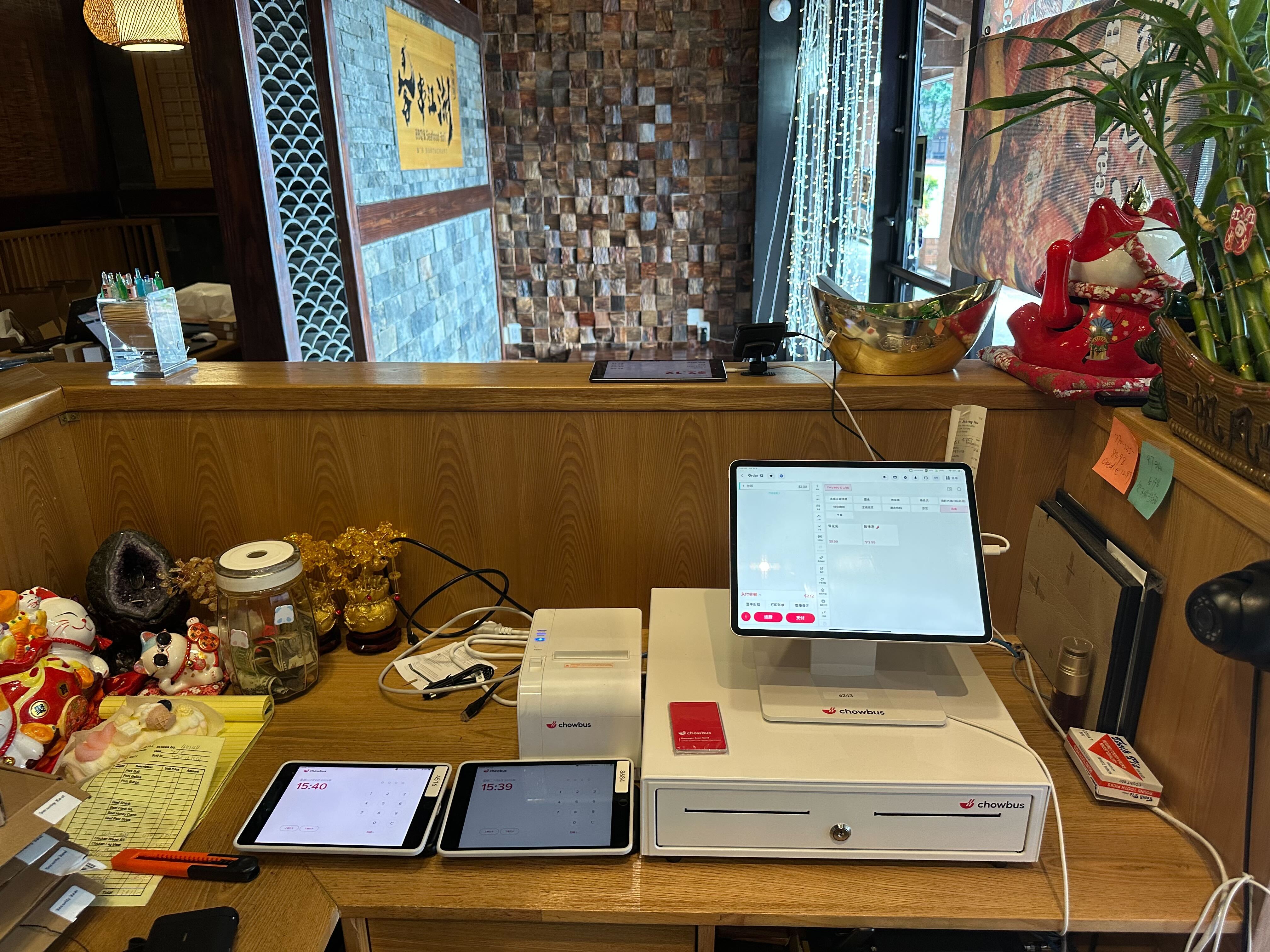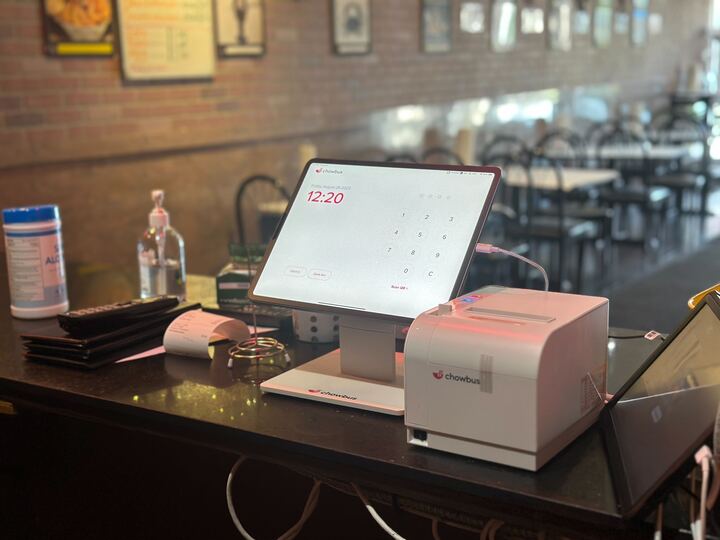
If you're asking how much is a POS system for a restaurant, you're not alone. Understanding POS system costs can be tricky, especially with so many options out there. Prices can vary widely depending on your restaurant's size, features, and long-term needs, making it hard to determine what's a fair price.
This guide breaks down the costs of restaurant POS systems in a clear and practical way. You’ll learn what a POS system is, how it works, what factors influence pricing, and how to evaluate cost versus value so you can make an informed decision.
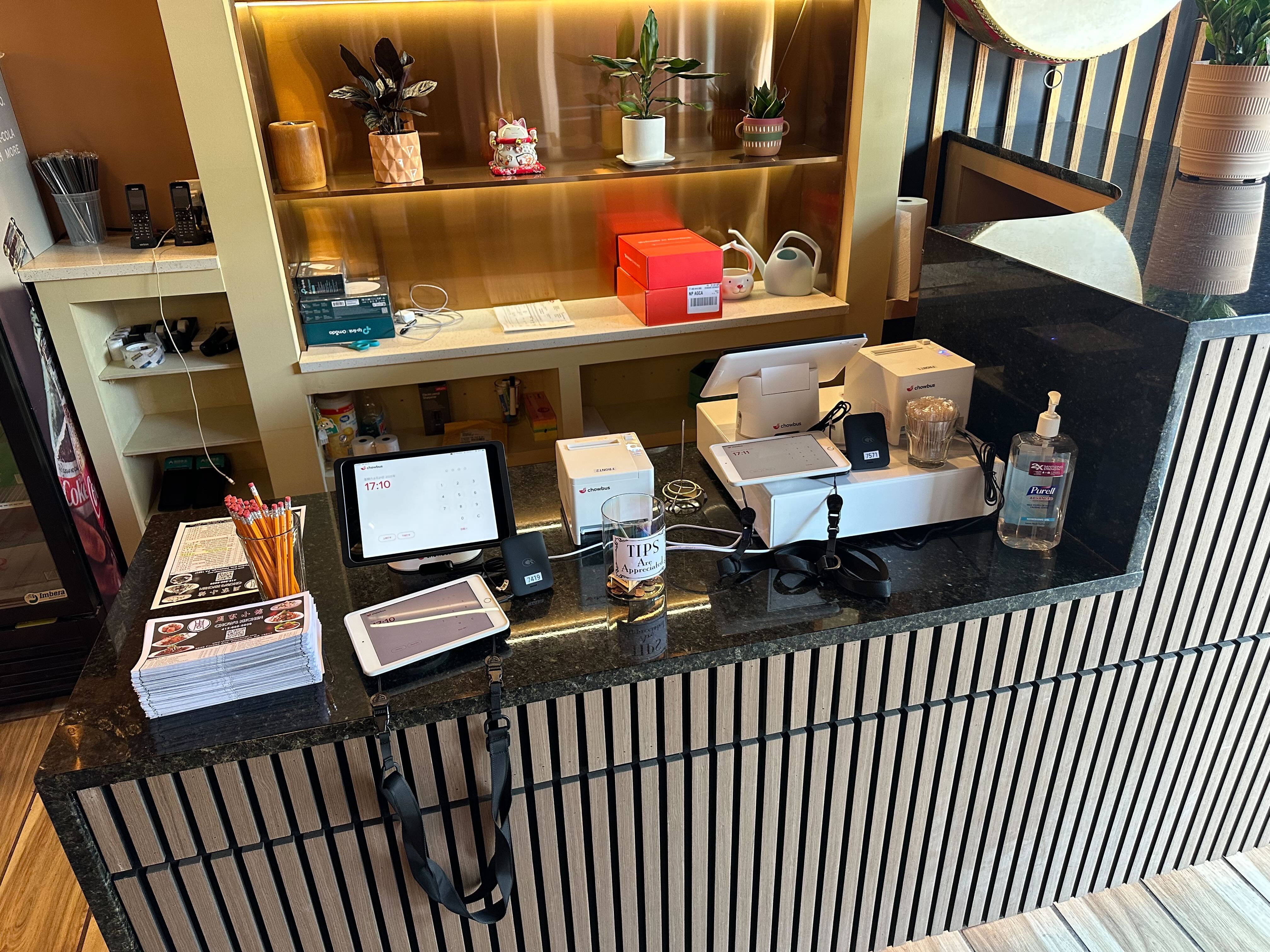
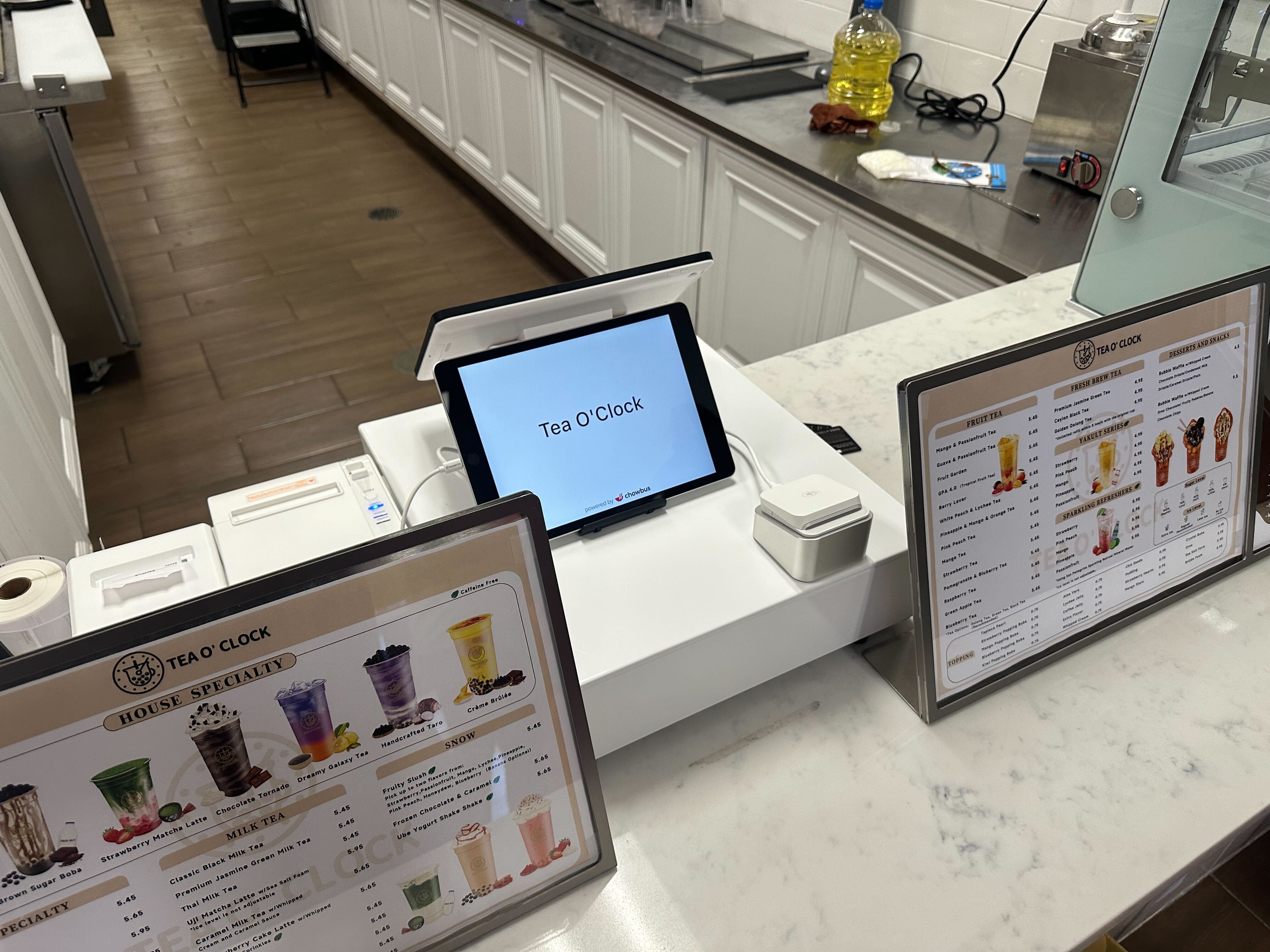
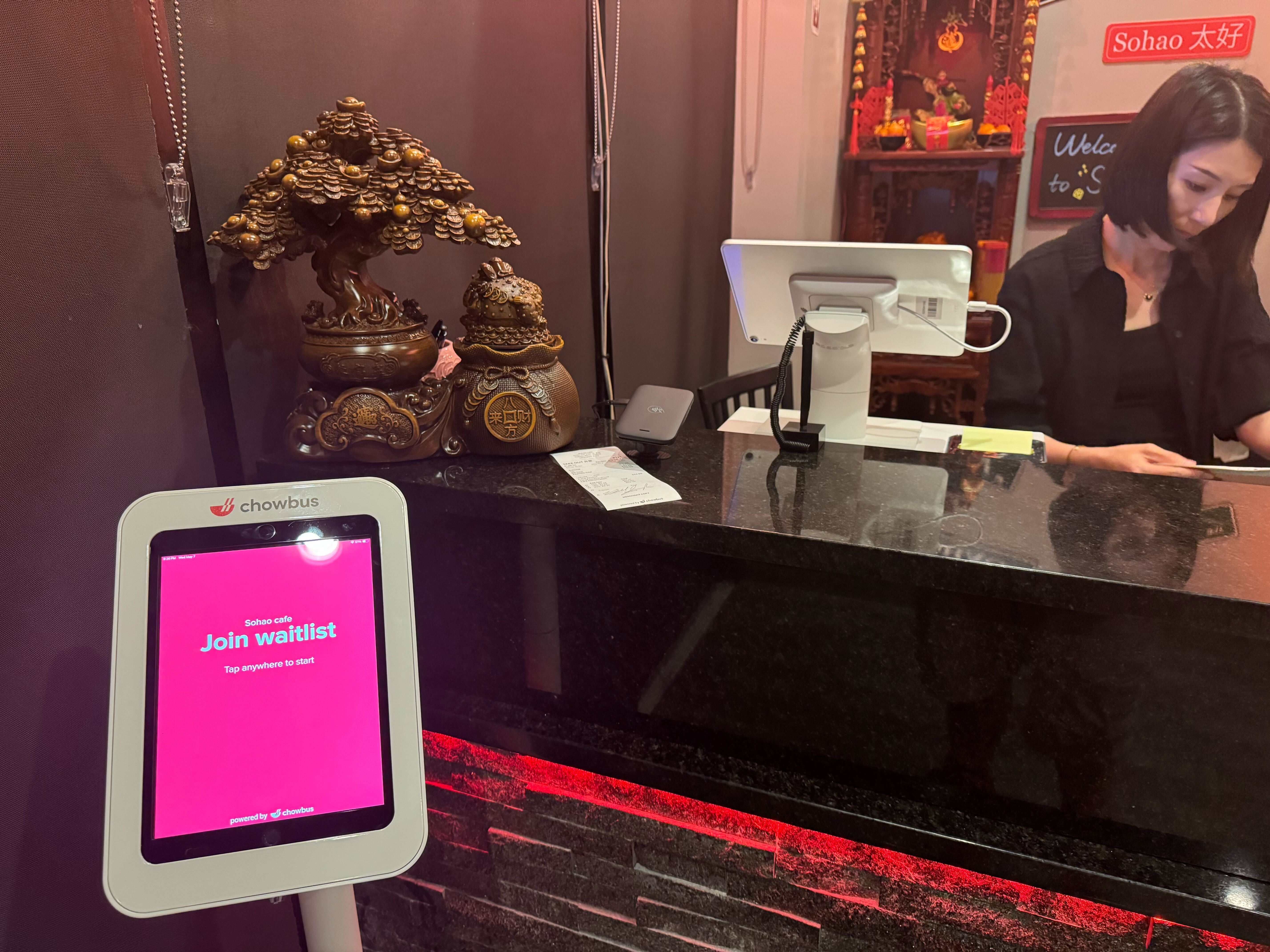
A restaurant POS system is a combination of software and hardware used to manage orders, payments, and daily workflows. Modern POS systems go beyond just handling payments—they help streamline your entire restaurant operation.
A typical restaurant POS system includes:
When reviewing a list of restaurant POS systems, you'll notice that systems vary in how deeply they support these functions, which is why choosing the right one depends on your restaurant's specific needs.
To understand why POS system costs vary so much, it's helpful to know how they actually work in practice.
Orders are placed at the counter, through tablet ordering, or via handheld devices. The system applies modifiers and combos automatically, reducing errors and improving speed.
Payments are processed directly through the POS system, recorded in real-time, and reflected in your daily sales data.
Orders are sent directly to kitchen prep stations, helping streamline restaurant operations and reduce delays during peak hours.
Sales trends, item performance, and operational data are tracked to support better decision-making.
The more advanced and integrated these workflows are, the higher the potential cost—but also the higher the operational value.
There isn’t a single answer to this question, as pricing depends on several factors. However, most POS systems fall into predictable cost categories.
Most modern POS systems use a subscription-based model.
Typical ranges include:
Monthly software fees are often based on:
Because of these variables, the question of restaurant POS system cost or POS system restaurant cost doesn’t have one simple answer.
Hardware is usually a one-time or semi-recurring expense.
Common hardware costs include:
Tablet and iPad POS systems tend to have lower upfront costs than traditional terminals, which is why they’re often popular with small restaurant POS systems and quick-service restaurant POS systems.
While payment processing isn’t always included in POS pricing, it's essential to understand that fees for each transaction can add up. The fees vary depending on the provider and payment method, which should be factored in when calculating the total cost of a POS system.
To compare prices accurately, it’s important to understand the factors that influence the cost of POS systems.
Each restaurant type has its own set of needs that influences the cost.
The more features a POS system offers, the higher the cost:
While not every restaurant needs all the bells and whistles, advanced features can significantly improve efficiency and overall restaurant performance.
Cloud-based POS systems tend to have lower upfront costs but include ongoing subscription fees. Legacy POS systems may require a larger initial investment but can have fewer recurring expenses.
While cost is important, the value a POS system brings to your restaurant often outweighs its price tag.
Automated order flow reduces errors and speeds up service, allowing your staff to focus on delivering a great experience.
Real-time reporting provides valuable insights into sales, staffing, and menu performance, helping you make informed decisions that improve your operations.
Faster ordering and more accurate payments lead to smoother service, which ultimately increases customer satisfaction and loyalty.
A flexible POS system grows with your restaurant. Whether adding online ordering or expanding to new locations, a modern POS system can adapt to your evolving needs.
These benefits explain why restaurant POS systems are seen as an essential investment for restaurants of all sizes.
Different types of restaurants have different needs when it comes to POS systems.
Small restaurant POS systems typically focus on affordability, ease of use, and scalability. These systems are perfect for restaurants that want a simple yet effective solution that can grow with the business.
POS systems for quick service restaurants prioritize speed, reliability, and high-volume order handling, which can affect their pricing.
Bar restaurant POS systems often require features like flexible payment workflows and split-check handling.
Pizza restaurant POS systems need advanced customization and efficient order routing to the kitchen, which can influence system costs.
Understanding your restaurant’s use case will help you narrow down the best options for your needs.
When comparing restaurant POS systems, don’t focus solely on the price. Instead, consider the following factors:
A system that costs slightly more each month may be worth it if it saves you time, reduces labor costs, or improves efficiency in the long run.
If you're evaluating restaurant POS system costs and want to understand how modern systems balance features and pricing, learning how today’s platforms work can help clarify what’s worth paying for.
Free POS systems for restaurants can work for very small operations, but they often lack advanced features like reporting or scalability. Cheap restaurant POS systems may save money upfront but create limitations down the road.
The key is to choose a system that matches your current needs while allowing for growth in the future.
Restaurant POS systems generally include software subscription fees, hardware costs, and payment processing fees, all of which vary by restaurant type and size.
Yes, many systems are designed for small or quick service restaurants with budget-friendly pricing options.
Cheaper systems focus on basic functionality, while the best POS systems offer deeper features, scalability, and better long-term value.
Cloud-based systems tend to have lower upfront costs but may have ongoing subscription fees.
Evaluate how well the system supports your restaurant’s operations, improves efficiency, and scales with growth.
So, how much is a POS system for a restaurant? The answer depends on your restaurant’s size, service model, and goals. Rather than focusing on a single price, consider the total cost, features, and the operational impact of the system.
The right POS system is more than just an expense—it’s an investment in improving efficiency, gaining insights, and delivering a better guest experience.