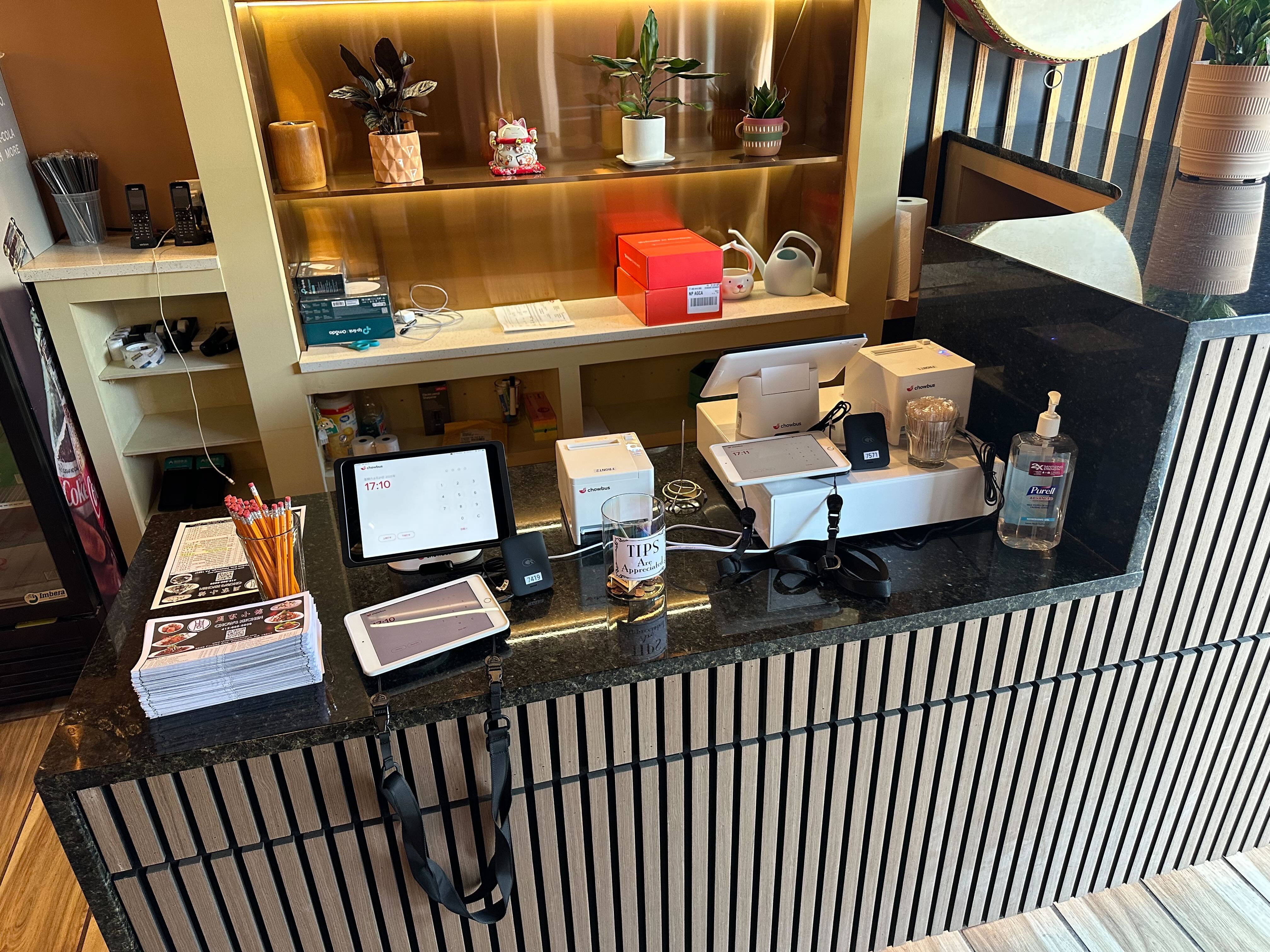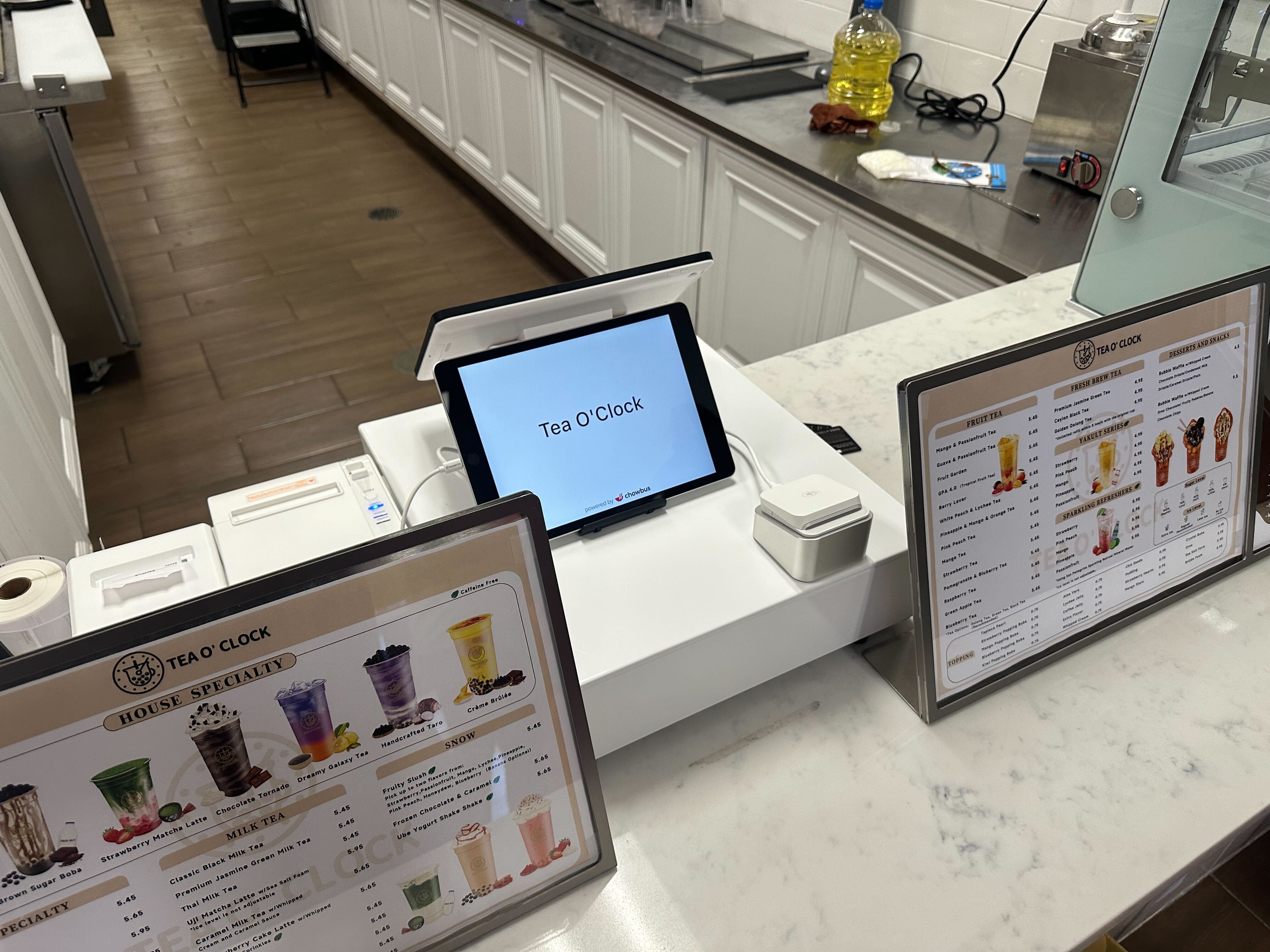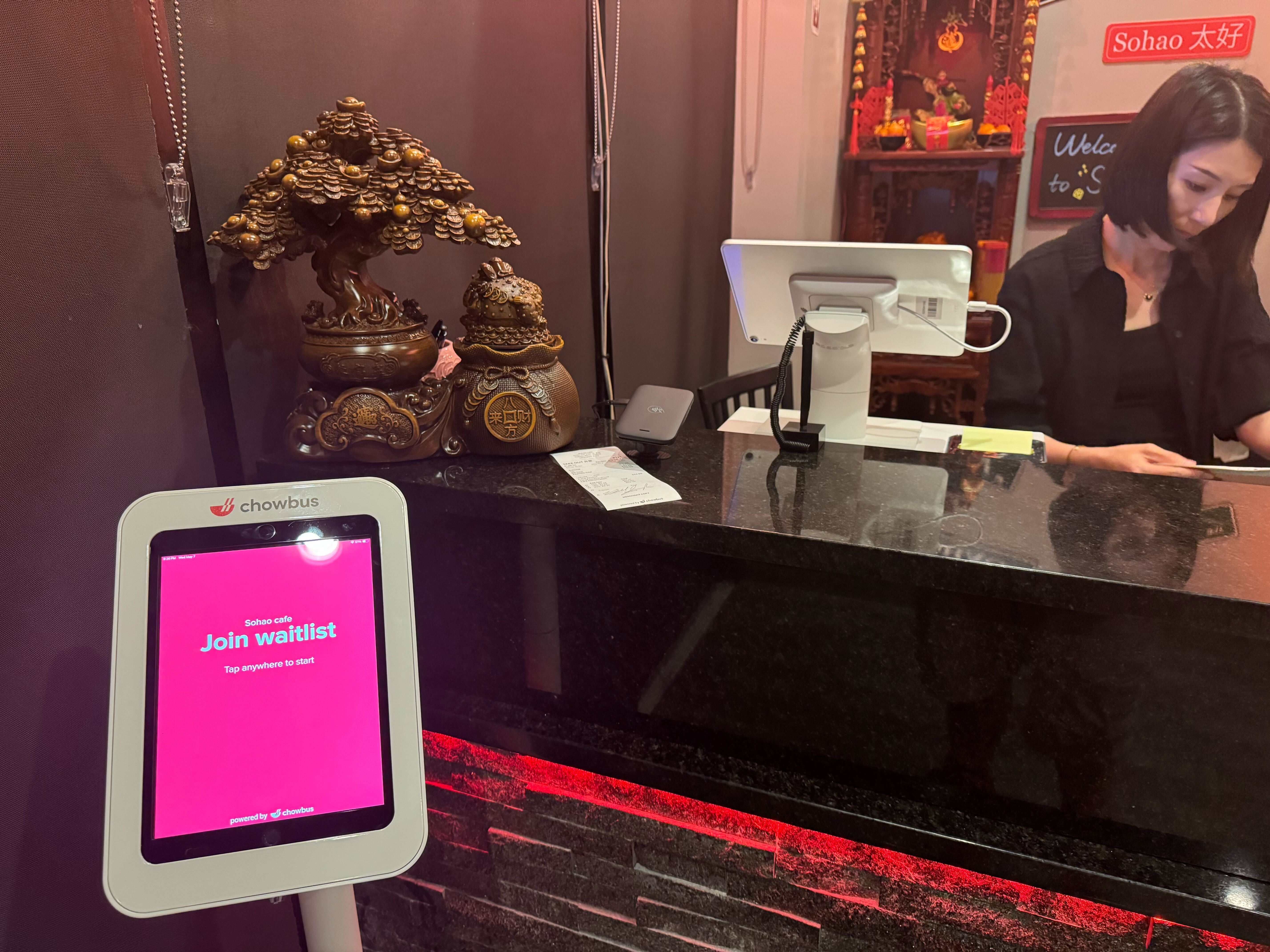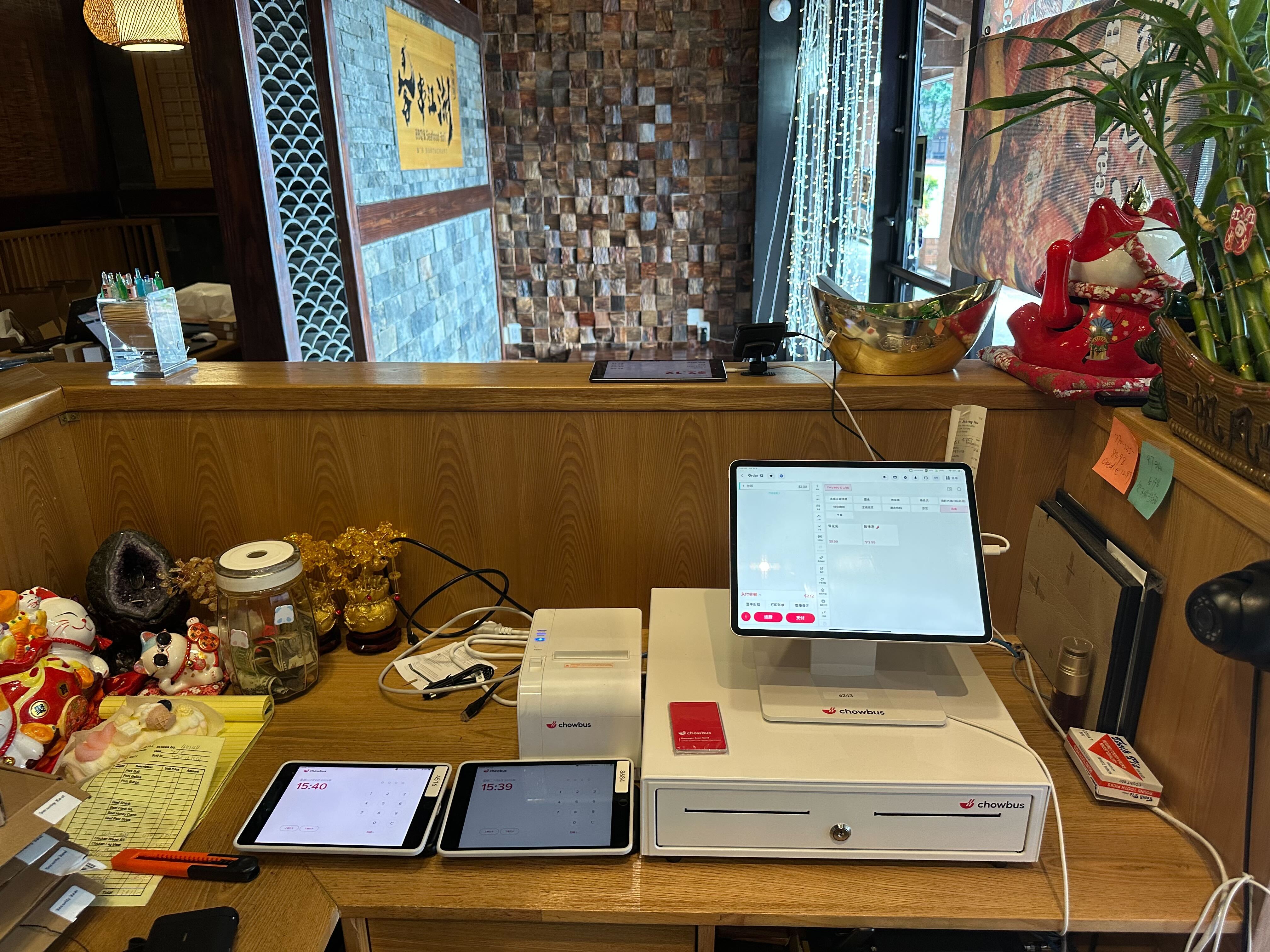
Running a restaurant means balancing dozens of moving parts at once. You want satisfied customers. You need efficient staff. Costs must stay under control. Operations have to run smoothly—every single day. Without the right system in place, managing all of this can feel overwhelming, even chaotic.
A modern Restaurant POS System eliminates much of that uncertainty. Rather than serving as a simple checkout terminal, it operates as the command center of your business, linking front-of-house, back-of-house, and management into one synchronized ecosystem. By automating routine tasks, generating actionable insights, and strengthening team communication, a restaurant POS system allows restaurants to increase profitability while delivering a consistently exceptional dining experience.
In this article, we'll examine how restaurants can use an RPS to boost revenue, reduce operational waste, improve staff performance, and strengthen customer loyalty.
Many restaurant operators still associate POS systems with basic payment handling. Today's restaurant POS system platforms go far beyond that limited function. They provide a comprehensive, real-time overview of restaurant performance.
From identifying best-selling dishes to measuring table turnover rates, a restaurant POS system equips managers with the data they need to make confident, informed decisions. By connecting dining room operations, kitchen workflow, and delivery channels, the system ensures that information flows seamlessly across departments.
For example, if lunch sales for a specific dish are strong but dinner demand is weak, the system highlights the pattern immediately. Owners can then adjust promotions, pricing strategies, or portion sizes accordingly. This kind of visibility transforms raw numbers into strategic action—improving both margins and service quality.
Menu analytics is one of the most powerful—yet often underused—features within a restaurant POS system. Real-time sales tracking reveals which items drive revenue and which fall short of expectations. Beyond basic sales counts, the system also monitors modifiers, add-ons, and special requests, uncovering subtle customer preferences.
If a particular side dish is consistently added to orders, restaurants can bundle it into a combo meal to increase average ticket size. On the other hand, items that sell poorly or generate excess waste can be refined, repriced, or removed entirely.
Strategic menu adjustments informed by real data lead to stronger revenue performance and higher customer satisfaction. Diners receive what they genuinely enjoy—and the business benefits from improved profitability.
Food waste quietly erodes restaurant profits. Without precise tracking, over-ordering and unnoticed consumption patterns can inflate costs quickly.
A restaurant POS system updates inventory automatically with every transaction. Managers gain instant visibility into stock levels, while low-inventory alerts prevent unexpected shortages. Advanced systems can even forecast demand using historical trends, seasonality, and event-based data.
By aligning purchasing decisions with actual consumption patterns, restaurants reduce spoilage, control expenses, and keep popular items consistently available. For multi-location brands, centralized inventory oversight ensures uniform standards and coordinated purchasing strategies across all outlets.
When administrative burdens decrease, performance improves. A well-configured restaurant POS system removes repetitive manual tasks and simplifies communication between teams.
Servers enter orders digitally instead of handwriting them. Kitchen staff receive precise, legible instructions. Managers monitor performance metrics from a centralized dashboard rather than juggling spreadsheets.
Many restaurant POS system platforms also include labor management features that align staffing schedules with peak demand periods. Hours worked, overtime calculations, and performance metrics are tracked automatically.
When staff can focus on service rather than paperwork, errors decline and morale rises. And when morale rises, customer satisfaction follows.
Attracting new diners is important—but retaining them is even more valuable. Modern restaurant POS systems integrate loyalty programs directly into daily operations.
Customers can accumulate points automatically, receive targeted promotions based on purchasing behavior, and benefit from personalized offers. For instance, a customer who repeatedly orders a specific entrée might receive a complimentary upgrade or a limited-time discount tailored to their preferences.
Because promotions are driven by actual purchase data, they feel relevant rather than generic. The result? Stronger engagement, increased repeat visits, and higher customer lifetime value.
Today's restaurants rarely operate through a single channel. Dine-in service, takeout, online ordering, and delivery must function simultaneously—without conflict.
A restaurant POS system acts as the centralized hub that unifies all ordering channels. Incoming requests are synchronized instantly. Inventory adjusts in real time. Kitchen workflow remains organized and transparent.
This integration reduces confusion, minimizes errors, and supports scalability. As order volume grows, the system maintains structure and efficiency without requiring unnecessary staffing increases.
An often-overlooked benefit of restaurant POS system technology is its ability to enhance upselling and cross-selling in a subtle, data-driven way.
By analyzing order history, the system can recommend complementary items at checkout or via self-ordering kiosks. A frequent burger customer might receive a suggestion to add fries, a beverage upgrade, or a dessert bundle.
Because these recommendations are based on real purchasing behavior, they feel helpful rather than intrusive. This approach raises average check value while preserving a positive dining experience.
Manual reporting consumes valuable hours and invites human error. A restaurant POS system eliminates much of that administrative burden.
Detailed reports covering sales performance, labor costs, inventory turnover, and financial metrics can be generated instantly. Managers gain access to daily summaries, weekly comparisons, and monthly trend analysis with minimal effort.
Compliance processes—including tax reporting and inspection documentation—become significantly easier when accurate records are automatically maintained. Automation not only saves time but also enhances operational confidence.
No two restaurants operate identically. A flexible restaurant POS system allows for customization in menu configuration, pricing structures, employee permissions, and reporting formats.
As the business expands, the system grows alongside it. New locations, additional staff, and expanded service channels can be integrated without rebuilding operational infrastructure from scratch.
This scalability ensures that restaurants maintain control, consistency, and efficiency throughout every stage of growth.
Restaurant technology continues to evolve. Artificial intelligence, predictive analytics, mobile ordering, and kiosk integration are quickly becoming industry standards.
Early adopters of advanced restaurant POS system platforms gain a measurable advantage. They anticipate demand more accurately, optimize staffing proactively, and respond to shifting consumer behavior faster than competitors relying on outdated systems.
In a highly competitive market, a restaurant POS system is no longer optional. It is foundational.
Restaurants operate in an environment where uncertainty is the only constant. Supplier prices fluctuate. Labor availability shifts. Consumer behavior evolves rapidly, sometimes overnight. A sudden surge in delivery demand, an unexpected staffing shortage, or a viral social media trend can disrupt carefully planned operations. In this climate, adaptability is not optional—it is survival.
A modern Restaurant POS System quietly becomes the backbone of operational resilience.
Unlike fragmented systems that require manual reconciliation, an integrated restaurant POS system consolidates critical business data into a single source of truth. When unexpected changes occur, decision-makers are not left guessing. They can respond with clarity. Real-time dashboards reveal emerging patterns before they escalate into larger problems. A sudden spike in a specific menu item? Adjust prep levels immediately. Slower weekday evenings? Modify staffing allocations before labor costs rise unnecessarily. The speed of response often determines whether a challenge becomes a setback or an opportunity.
But resilience is not just about reacting faster. It is also about forecasting smarter.
Advanced restaurant POS system platforms capture long-term performance data, allowing restaurants to identify recurring seasonal patterns, customer traffic cycles, and revenue fluctuations across weeks, months, and even years. With this visibility, owners can plan promotional calendars strategically, negotiate supplier contracts with greater precision, and prepare staffing schedules aligned with projected demand. Instead of operating defensively, restaurants move into a proactive position—anticipating change rather than scrambling to manage it.
Financial clarity also plays a crucial role in stability. Restaurants often struggle not because revenue is low, but because cash flow visibility is limited. A restaurant POS system provides consolidated financial snapshots that reveal daily revenue trends, expense ratios, and operational benchmarks in real time. When margins tighten, managers see it early. Small inefficiencies can be corrected before they accumulate into larger financial strains. That level of awareness builds confidence—and confidence supports better leadership decisions.
Equally important is system reliability. Downtime during peak service hours can damage reputation and revenue simultaneously. Modern cloud-based restaurant POS system platforms are designed with redundancy and data protection measures that reduce the risk of operational interruption. Secure backups and remote accessibility ensure that even in unexpected situations, restaurant operations can continue with minimal disruption. Stability behind the scenes preserves trust in front of the house.
Perhaps most importantly, resilience influences long-term brand reputation. Customers may never see the dashboards or reports, but they feel the effects. Consistent service. Accurate orders. Stable pricing. Predictable quality. These outcomes are not accidental—they are supported by structured systems that reduce variability and human error.
In a competitive industry where thin margins meet high expectations, resilience becomes a strategic advantage. A restaurant POS system does more than process transactions or generate reports. It strengthens the infrastructure that allows restaurants to adapt, endure, and grow despite uncertainty.
And in today's market, that capability may be the most valuable asset of all.
Restaurants worldwide report measurable improvements after implementing restaurant POS system solutions.
A fast-casual chain integrated kiosks with its restaurant POS system and achieved a 20% increase in order accuracy while shortening peak-hour wait times. Revenue rose accordingly.
A family-owned establishment used analytics to refine its menu, cutting food waste by 15% and redirecting savings toward marketing and employee development.
Multi-location brands benefit from centralized dashboards that provide instant visibility across outlets, enabling consistent service standards and coordinated decision-making.
These examples demonstrate a simple truth: the right restaurant POS system improves both profitability and customer satisfaction—regardless of restaurant size.

As restaurants grow, the Restaurant POS System becomes more than a checkout tool. It becomes a strategic asset. The Chowbus Restaurant POS system combines operational control with customer engagement capabilities designed to drive sustainable growth.
With the Chowbus Restaurant POS system, restaurants can:
• Integrate built-in loyalty programs
• Access advanced sales and trend reporting
• Monitor inventory and cost performance
• Connect digital ordering channels (kiosk, QR, online)
• Scale seamlessly across expanding locations
When your POS functions as the central nervous system of your restaurant, decisions become clearer. Growth becomes measurable. Planning becomes proactive.
If your goal is long-term scalability rather than short-term survival, the Chowbus Restaurant POS system provides the structure and flexibility to support that vision.
A modern Restaurant POS System unifies ordering channels, kitchen coordination, reporting tools, and customer engagement into a single, intelligent ecosystem. In an industry where margins are narrow and decisions must be data-driven, centralized visibility is invaluable.
From real-time analytics to loyalty integration and multi-location oversight, the right restaurant POS system forms the foundation for sustainable growth.
Don't miss the opportunity to transform your POS system into a competitive advantage. Discover how the Chowbus Restaurant POS system can streamline operations, support strategic decision-making, and position your restaurant for long-term success.
Frequently Asked Questions About Restaurant POS Systems
1. How can a restaurant POS system help restaurants with multiple locations?
A centralized restaurant POS system allows owners to monitor performance across multiple locations from a single dashboard. This unified visibility makes it easier to standardize pricing, track comparative performance, and implement company-wide promotions without manually adjusting each store's system. As a brand expands, centralized control becomes increasingly valuable.
2. How does a restaurant POS system improve staff management and training?
An advanced restaurant POS system can track individual employee transactions, refund patterns, and shift performance metrics. This transparency not only improves accountability but also identifies training opportunities by highlighting inconsistencies or inefficiencies in order handling. Over time, these insights help build a more consistent and professional team.
3. How can a restaurant POS system help keep customers coming back?
Many restaurant POS system platforms integrate loyalty programs, customer profiles, and purchase history tracking into one ecosystem. By analyzing customer behavior, restaurants can create targeted promotions or personalized offers that encourage repeat visits. Data-backed engagement is far more effective than generic marketing campaigns.
4. Will switching to a new POS system interrupt daily operations?
No, most modern providers offer guided onboarding, data migration assistance, and staff training to ensure a smooth transition. With proper planning, many restaurants switch systems with minimal downtime and little impact on daily service.
5. Can a restaurant POS system help restaurants save money over time?
Yes, an optimized restaurant POS system can reduce costs by minimizing manual errors, improving inventory tracking accuracy, and lowering dependency on paper-based processes. Over time, these efficiencies often offset the initial investment and contribute to stronger profit margins.