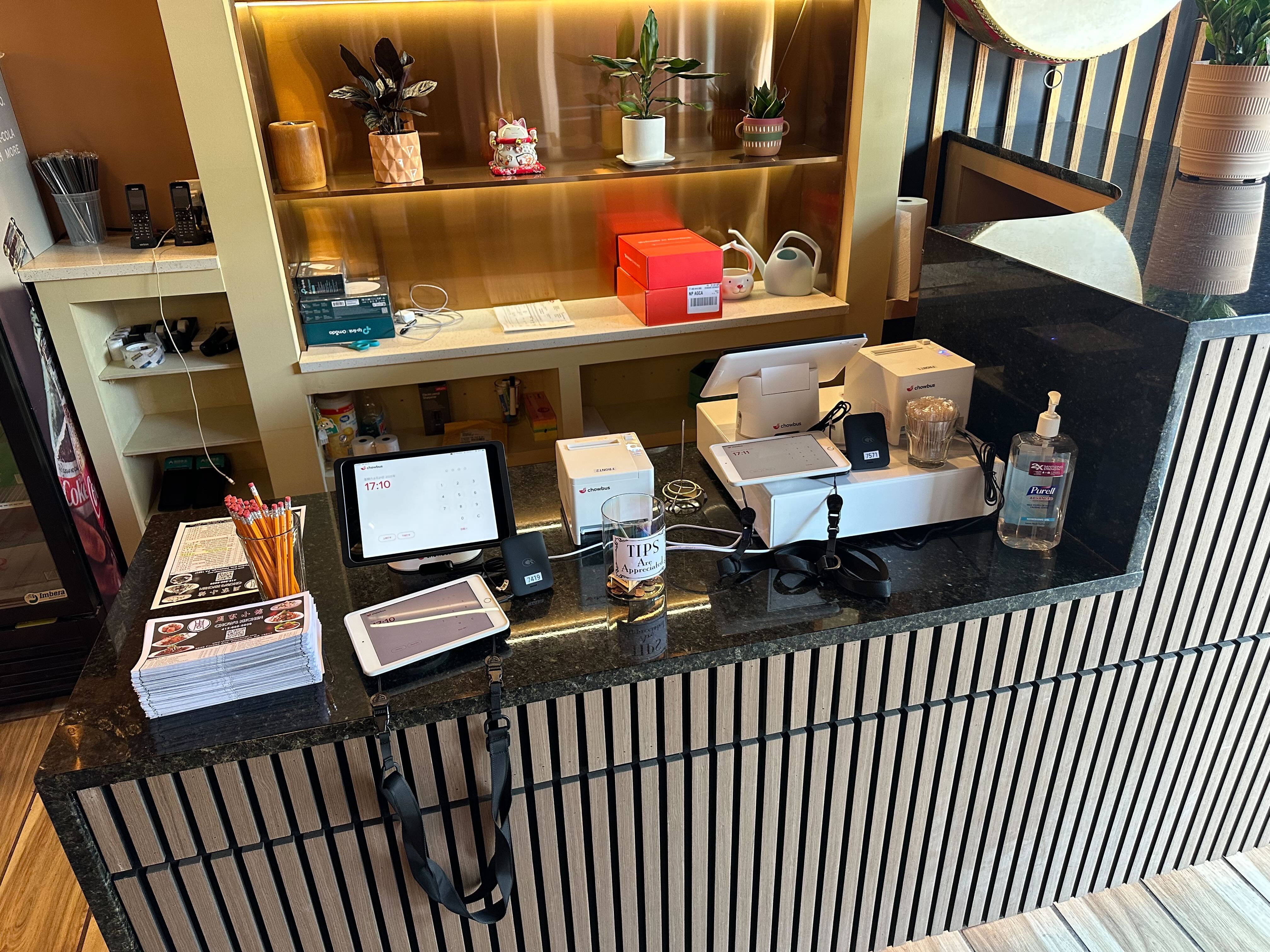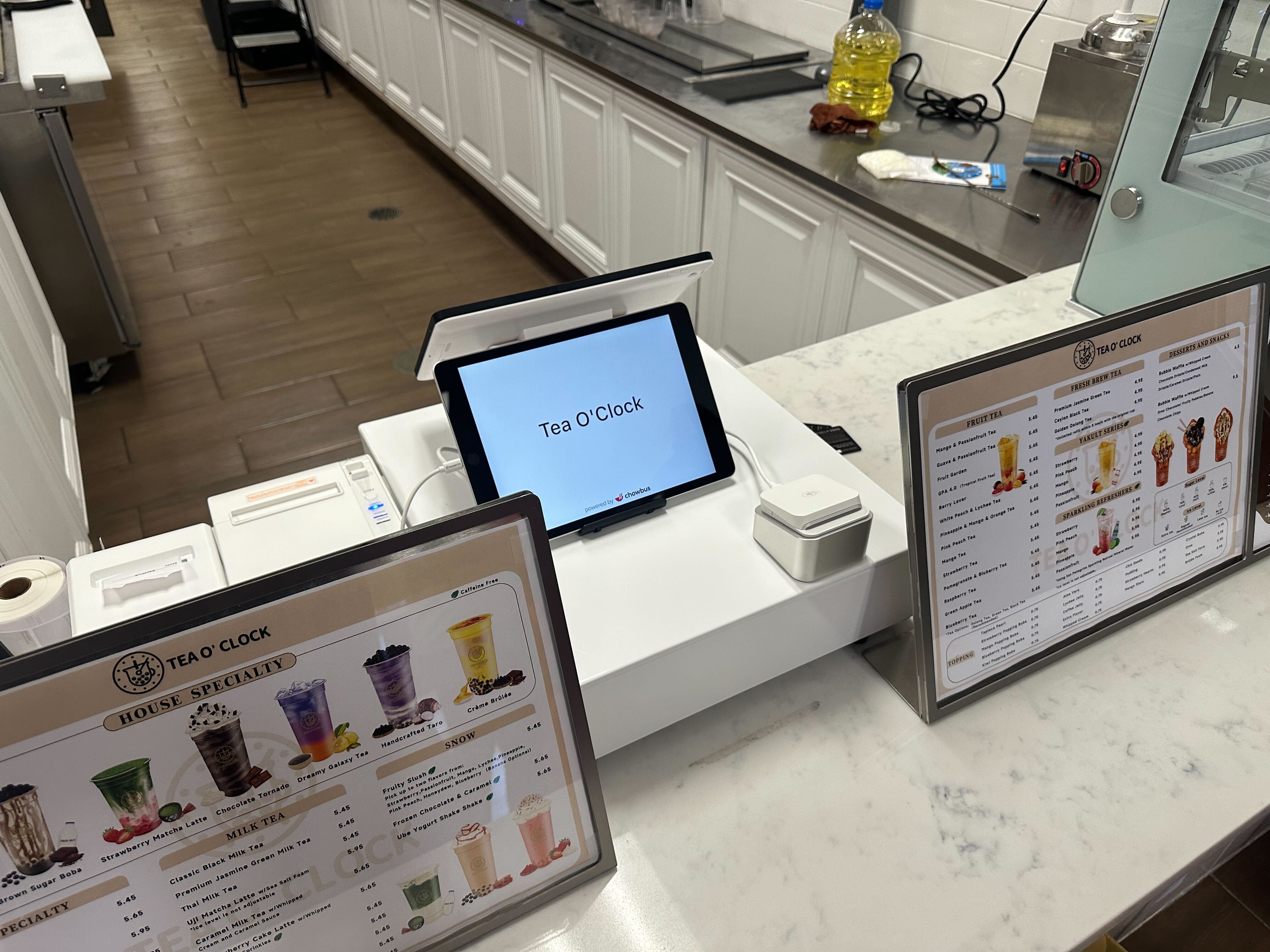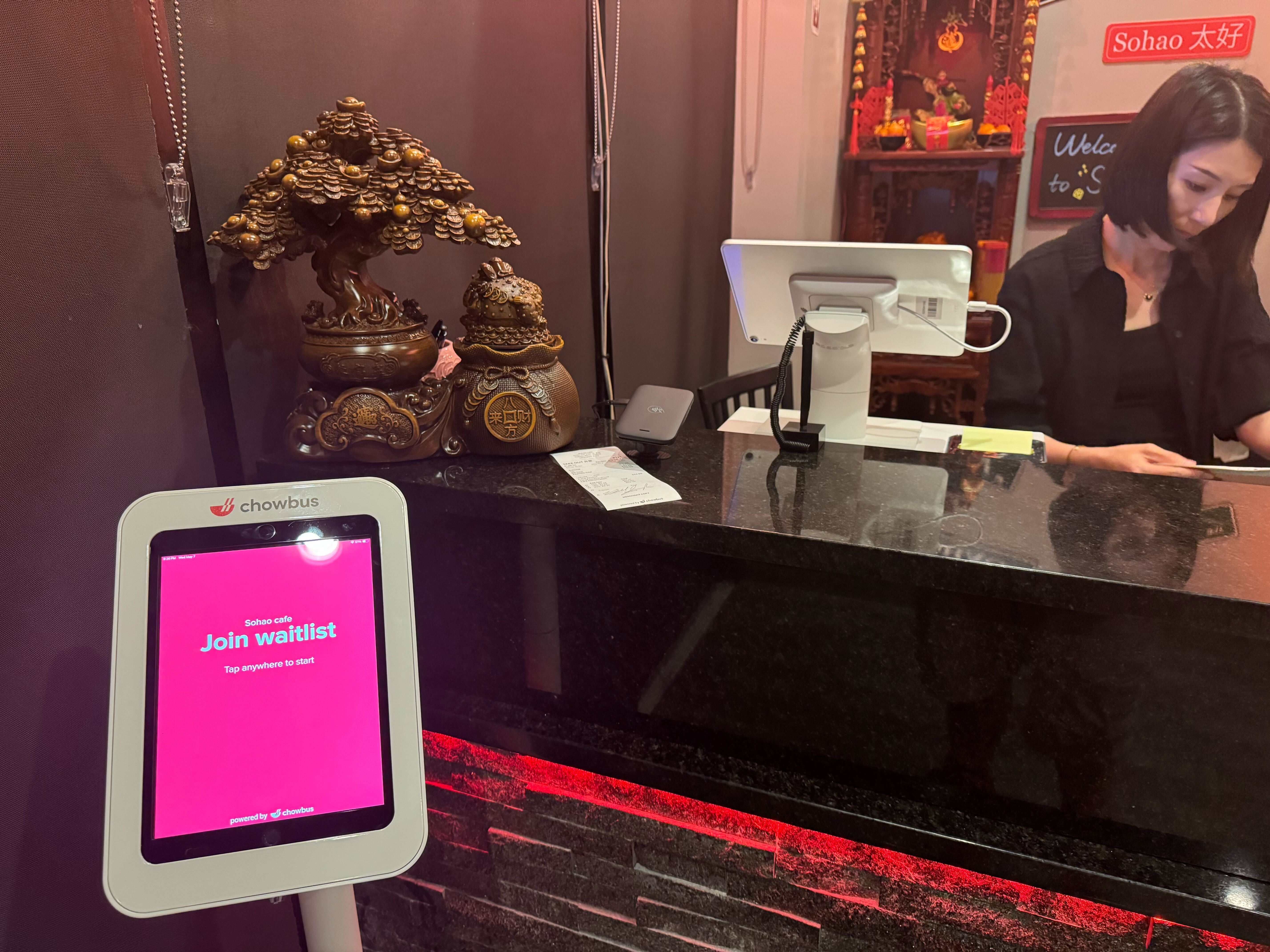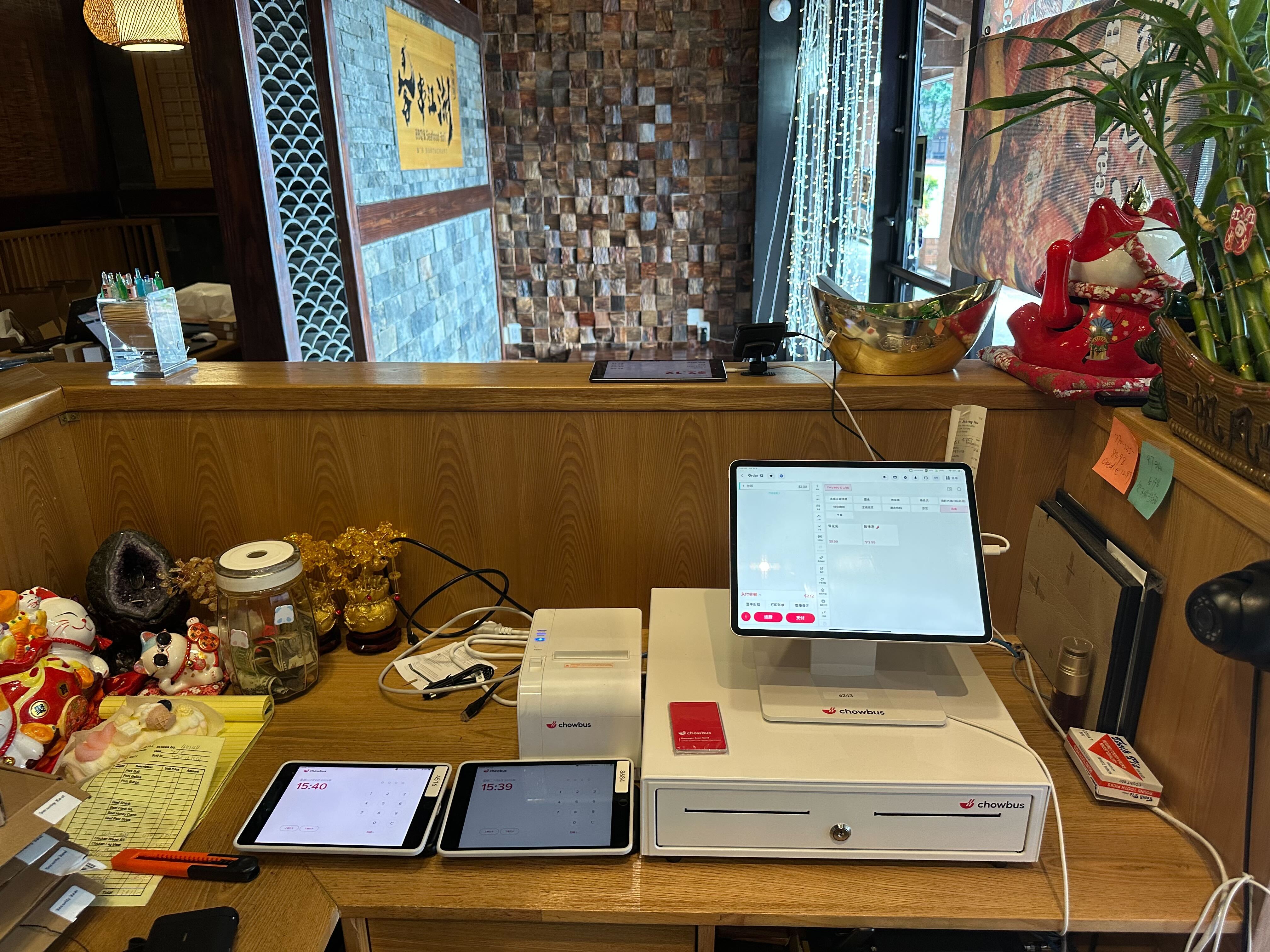
Running a successful restaurant is no small feat.
Managing incoming orders, keeping inventory in check, coordinating staff, and ensuring guests leave satisfied—all at once—can overwhelm even the most experienced operators. The moving parts are endless. The margins are tight. The pace rarely slows down.
That's precisely where a Restaurant POS System becomes indispensable.
Far more than a digital cash register, a restaurant POS system functions as the operational backbone of a restaurant. It consolidates order management, payment processing, inventory control, and performance analytics into one cohesive framework. Instead of juggling disconnected tools, owners gain a centralized command center that streamlines workflows, increases efficiency, and delivers insights that support long-term growth.
By unifying these essential processes into a single ecosystem, a restaurant POS system quietly powers the rhythm of a well-run restaurant.
In this blog, we'll explore how modern RPS platforms—particularly solutions like the Chowbus Restaurant POS system—reshape restaurant operations and why forward-thinking establishments are making the shift.
A restaurant POS system, commonly referred to as RPS, is an integrated combination of software and hardware designed to oversee nearly every operational component of a restaurant. While older POS systems were built primarily to process transactions, today's RPS platforms extend far beyond that limited scope. They connect order management, inventory monitoring, employee scheduling, customer loyalty programs, and detailed reporting into one synchronized environment.
In practical terms, when a customer places an order—whether through a server, a self-ordering kiosk, or a mobile app—the restaurant POS system processes it instantly. Inventory levels adjust automatically. The kitchen receives precise instructions. Managers gain visibility without lifting a pen.
Automation reduces manual input. Fewer manual steps mean fewer errors. And fewer errors translate into smoother service and stronger profitability.
Modern restaurant POS systems are no longer just about accepting payments. It is the operational nerve center of a restaurant.
One of the most immediate advantages of a restaurant POS system is the transformation of order management. In traditional environments, servers might scribble orders on paper or manually input them into basic registers, creating opportunities for delay, miscommunication, and costly mistakes.
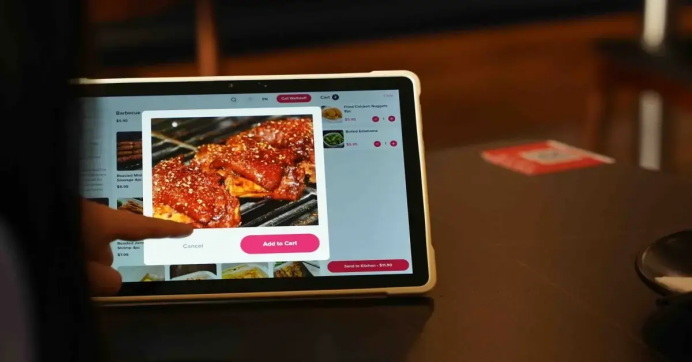
With a restaurant POS system, orders travel digitally and directly—from table, kiosk, or handheld device straight to the kitchen display system. Customizations are captured with precision. Dietary notes are clearly documented. Special instructions arrive intact and legible.
For high-volume restaurants, this efficiency is not merely convenient—it is critical. Bottlenecks during peak hours are minimized. Staff spend less time correcting misunderstandings and more time focusing on service quality.
Many advanced restaurant POS system platforms also provide real-time status updates. Managers and servers can see exactly which orders are in preparation and which are ready, creating a smoother operational cadence from front-of-house to kitchen line.
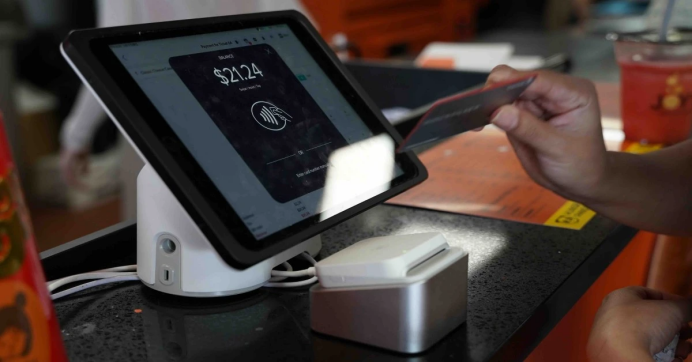
Payment handling, once a tedious and error-prone process, becomes seamless under a modern restaurant POS system. Today's platforms support multiple payment options—credit cards, digital wallets, contactless transactions, and even gift cards—ensuring guests can pay in whatever way suits them best.
Each transaction links automatically to the associated order, removing the need for duplicate bookkeeping or reconciliation guesswork. Faster checkouts lead to quicker table turnover. Reduced manual entry decreases discrepancies.
When loyalty programs or promotional discounts integrate directly into the POS environment, restaurants gain even greater value. They can track campaign performance, monitor redemption patterns, and refine offers with measurable precision—all while delivering a frictionless checkout experience.
Inventory control remains one of the most complex aspects of restaurant management. Order too much, and waste erodes margins. Order too little, and shortages disrupt service.
A capable restaurant POS system addresses this challenge with automation and data intelligence. As orders are placed, inventory updates in real time. Managers receive low-stock alerts before problems escalate. Historical data informs reordering schedules and demand forecasting.
For multi-location operations, centralized dashboards provide visibility across every outlet. Instead of relying on fragmented spreadsheets or manual counts, owners can monitor stock levels system-wide from one interface.
This level of oversight reduces waste, prevents costly miscalculations, and restores confidence in daily supply decisions.
A restaurant POS system benefits more than customers—it reshapes the employee experience as well.
By automating repetitive administrative tasks and reducing manual entry, staff can redirect their attention toward meaningful service interactions. Servers spend less time juggling paperwork. Kitchen staff receive clearer instructions, minimizing confusion during busy shifts.
Many restaurant POS system platforms also include scheduling tools that simplify shift assignments and track labor hours accurately. Managers can align staffing levels with predicted traffic, reducing both burnout and overstaffing.
When employees feel supported by systems that make their jobs easier rather than harder, morale improves. And improved morale often translates into lower turnover and stronger team cohesion.
One of the most transformative elements of a restaurant POS system is its ability to generate actionable data. Sales trends, hourly revenue patterns, top-performing dishes, and customer purchasing behavior become visible in real time.
Instead of waiting for end-of-day summaries, owners can respond dynamically. If a dish performs well at lunch but stagnates at dinner, adjustments can be made immediately—whether through pricing, promotion, or presentation.
Over time, these insights accumulate into strategic advantages. Menu engineering becomes data-driven. Marketing campaigns become targeted. Operational planning becomes precise rather than speculative.
In competitive markets, access to accurate, real-time intelligence can be the difference between reacting to change and leading it.
Modern restaurant POS system platforms rarely operate in isolation. They integrate seamlessly with self-ordering kiosks, QR-based menus, mobile apps, and online ordering systems.
Orders from every channel feed directly into the same system. Inventory updates simultaneously. The kitchen receives uniform, standardized instructions regardless of order origin.
This unified ecosystem eliminates fragmentation. Staff no longer toggle between multiple devices. Managers gain a consolidated view of performance across all channels. Multi-location restaurants, in particular, benefit from centralized reporting that ensures operational consistency.
Integration does not merely add convenience—it strengthens scalability.
Many restaurant POS system platforms incorporate built-in loyalty and engagement tools, enabling restaurants to reward repeat customers automatically. Points accumulate with each purchase. Promotions can be personalized based on order history. Offers can be distributed via email or app notifications.
This personalization deepens relationships. Customers feel recognized rather than anonymous. Targeted campaigns increase repeat visits and lifetime value.
By pairing operational efficiency with intelligent engagement tools, restaurants can deliver experiences that feel modern yet personal—a combination that resonates strongly with today's diners.
Across the industry, measurable improvements follow restaurant POS system implementation. Quick-service chains report shorter wait times and improved ticket accuracy. Casual dining establishments leverage analytics to reduce waste and refine menus. Multi-location brands gain centralized oversight, ensuring brand consistency.
Even small, family-operated restaurants find that restaurant POS systems reduce administrative burdens, allowing staff to focus on food quality and guest interaction instead of paperwork.
The size or style of the restaurant may vary, but the operational gains remain consistent.
Adopting a restaurant POS system requires investment—software subscriptions, hardware installation, and staff training. Yet when measured against long-term savings and revenue growth, the return often justifies the expense.
Reduced labor inefficiencies, fewer order errors, optimized inventory purchasing, and enhanced upselling capabilities all contribute to measurable financial improvements.
Scalable systems allow restaurants to begin with essential functions and expand features gradually. Over time, the compounded efficiencies, improved decision-making, and strengthened customer loyalty position the restaurant POS system not as a cost but as an asset.
The evolution of restaurant POS system technology continues. Artificial intelligence, predictive analytics, mobile integration, and even voice-assisted ordering are becoming part of next-generation systems.
Restaurants that adopt adaptable platforms today prepare themselves for tomorrow's innovations. While traditional cash registers may still serve basic needs, fully integrated restaurant POS system ecosystems are increasingly defining operational excellence.
Technology is no longer optional. It is strategic.
Looking for a Restaurant POS System That Does More Than Process Payments?
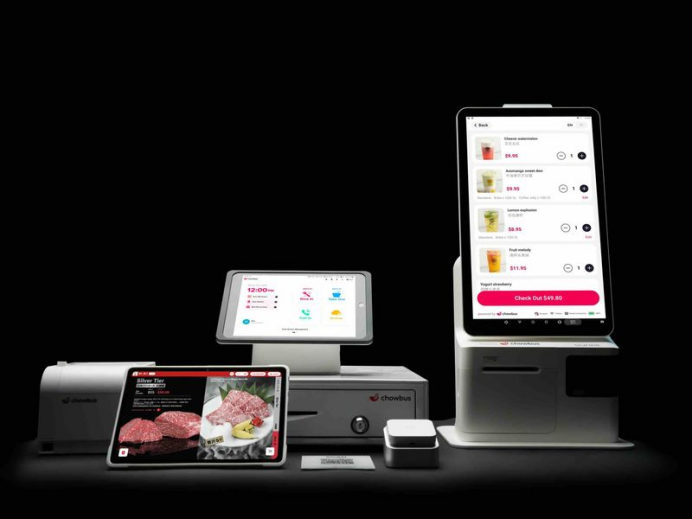
A well-designed restaurant POS system should simplify your operations—not complicate them. The Chowbus Restaurant POS system delivers an all-in-one solution that connects ordering, payments, reporting, and customer engagement within a single unified platform.
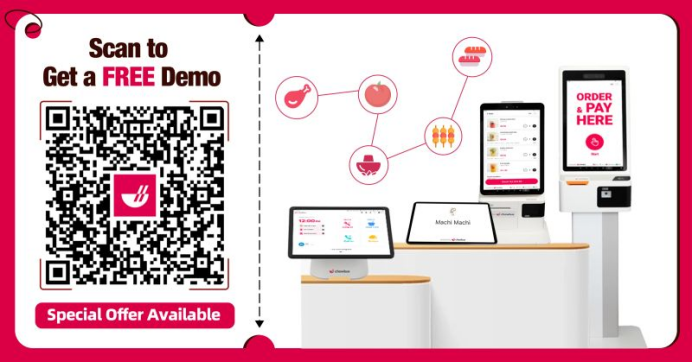
With the Chowbus Restaurant POS system, restaurant owners can:
• Track real-time sales performance
• Manage menu updates instantly
• Monitor labor efficiency
• Access centralized multi-location reporting
• Integrate with kiosks, QR ordering, and handheld devices
Instead of managing disconnected tools, you operate from one synchronized system that keeps your team aligned and your data consistent.
If scalability, operational clarity, and long-term growth matter to you, the Chowbus Restaurant POS system offers a solution designed for modern demands.
Conclusion
A scalable restaurant POS system empowers restaurants to manage menus, monitor performance, coordinate staff, and integrate digital ordering—all from a centralized hub. Rather than reacting to operational issues as they arise, owners gain the tools to anticipate and prevent them.
Investing in a flexible restaurant POS system today safeguards efficiency tomorrow. The Chowbus Restaurant POS system connects kiosks, QR ordering, handheld devices, and in-store transactions into one cohesive ecosystem.
Strengthen your competitive edge with a POS platform built for the realities of modern restaurant management. Move toward smarter operations—and stronger profitability—with the Chowbus Restaurant POS system.
1. What is a restaurant POS system?
The restaurant POS system is a software and hardware solution that can manage almost all aspects of restaurant operations. Traditional POS systems may only handle transactions, while modern restaurant POS system platforms integrate order management, inventory tracking, employee scheduling, loyalty programs, and reporting into a unified system.
2. How does a restaurant POS system help restaurant owners to make decisions?
A modern restaurant POS system provides live dashboards that track sales trends, item performance, and hourly revenue patterns as they happen. Instead of waiting for end-of-day reports, owners can identify slow periods, best-selling items, or unexpected demand spikes immediately and adjust staffing, promotions, or inventory accordingly. Real-time visibility turns daily operations into measurable, actionable insights.
3. What should restaurant owners look for when evaluating system capabilities?
Beyond basic sales summaries, a strong restaurant POS system should offer detailed breakdowns such as profit margin analysis, modifier performance, labor cost percentages, and multi-location comparisons. The more granular the data, the easier it becomes to spot inefficiencies or growth opportunities. Advanced tools help restaurants move from reactive management to strategic planning.
4. How does a restaurant POS system support menu engineering and profitability optimization?
A data-driven restaurant POS system tracks not only what sells most frequently but also which items generate the highest margins. By analyzing contribution margins and popularity together, owners can redesign menus, adjust pricing, or promote specific dishes that maximize profitability. Over time, this type of analysis can significantly improve overall revenue performance.
5. Can an Restaurant pos system work with third-party delivery platforms?
Yes, most modern Restaurant pos system platforms are designed to integrate with major delivery marketplaces to centralize incoming orders. This prevents staff from manually re-entering delivery tickets and reduces the risk of errors or missed orders during peak hours.