A customer who comes back twice a month for a year is worth more to your restaurant than ten people who walk in once and never return — but most small restaurants have no way to tell which of their guests are which, let alone bring the one-timers back.
That gap matters more in the Asian restaurant sector than almost anywhere else in food service. The category now makes up 16% of the U.S. restaurant market and is projected to hit $240 billion by the end of 2026, after growing 135% over the past 25 years. Growth like that brings more competition on the same block — more hot pot spots, more bubble tea shops, more banh mi counters — which means the restaurants that win aren't necessarily the ones with the most foot traffic, they're the ones that keep the customers they already have.
In this guide, you'll learn what a loyalty program for small business actually needs to work, how it plays out differently for a hot pot restaurant versus a bubble tea shop, and how to set one up in days rather than months — without hiring anyone new. Here's where to start.
Independent restaurant owners often assume loyalty programs are a "big chain" tool — something Starbucks or Chipotle can afford to build but a 40-seat noodle shop can't. That assumption gets the economics backwards. Large chains use loyalty programs to squeeze incremental gains out of an already loyal customer base. Small restaurants need loyalty programs to survive at all, because they don't have national ad budgets to constantly refill the top of the funnel with new customers.
The math is simple: acquiring a new customer through ads, delivery app placement, or third-party marketing typically costs five to seven times more than keeping an existing one. A guest who already trusts your food, knows your menu, and lives or works nearby is the cheapest revenue you'll ever generate — if you give them a reason to come back before a competitor does. Without a system tracking who those repeat guests are, you're relying on memory, and memory doesn't scale past a few dozen regulars.
A loyalty program built for a one- or two-location independent restaurant looks nothing like a national chain's app. It needs to satisfy three things at once: it has to be nearly free to run, it can't require a dedicated staff member to manage, and it has to work at the register without adding a second system for your team to learn.
That third point trips up a lot of small operators who try punch cards or a standalone loyalty app first. Paper punch cards get lost, can't be tracked, and tell you nothing about who your best customers are. Standalone loyalty apps that don't talk to your POS mean a cashier has to stop, ask for a phone number, open a separate app, and manually apply a discount — friction that slows down the line during your Friday dinner rush and gets skipped half the time anyway.
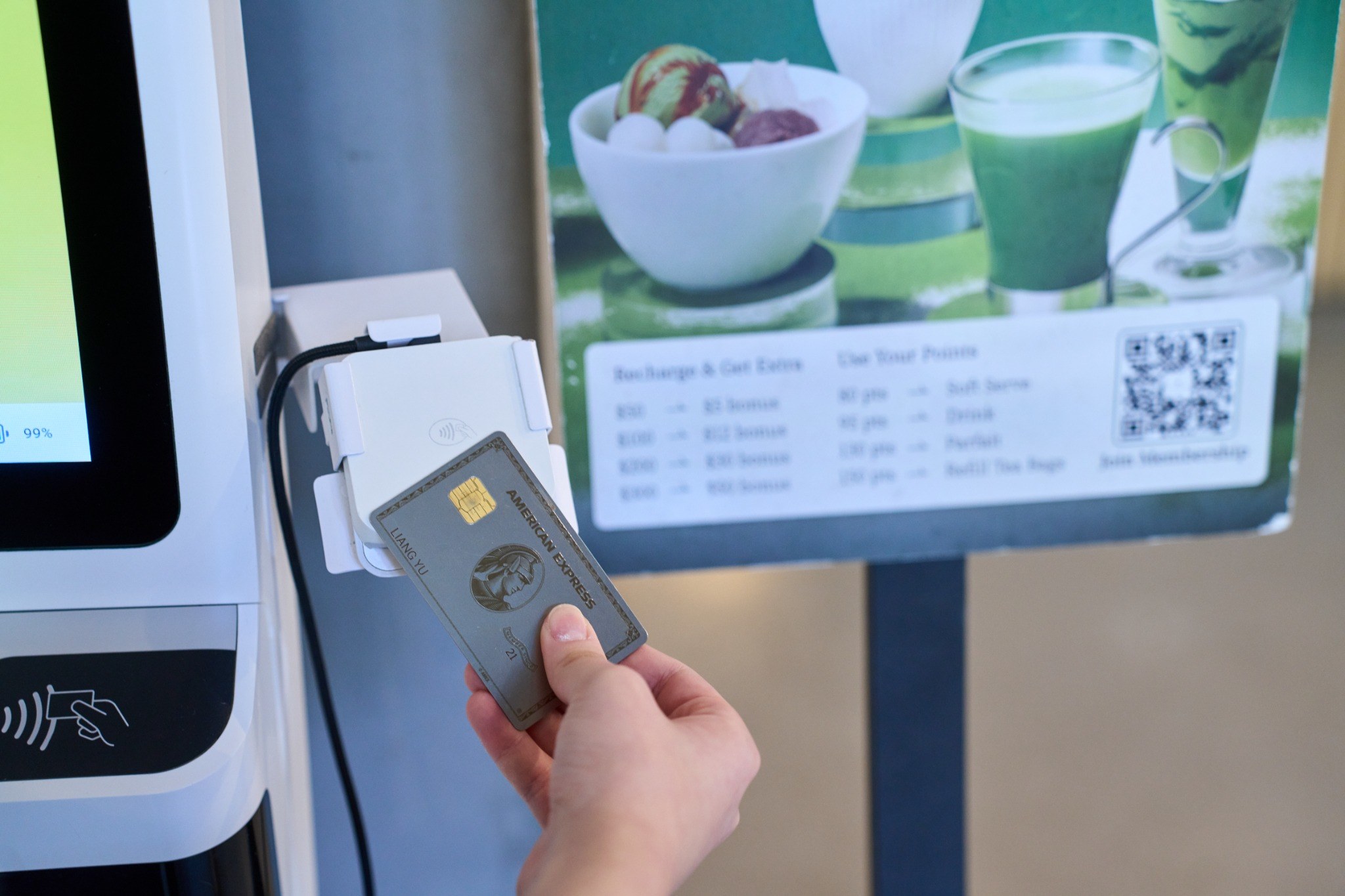
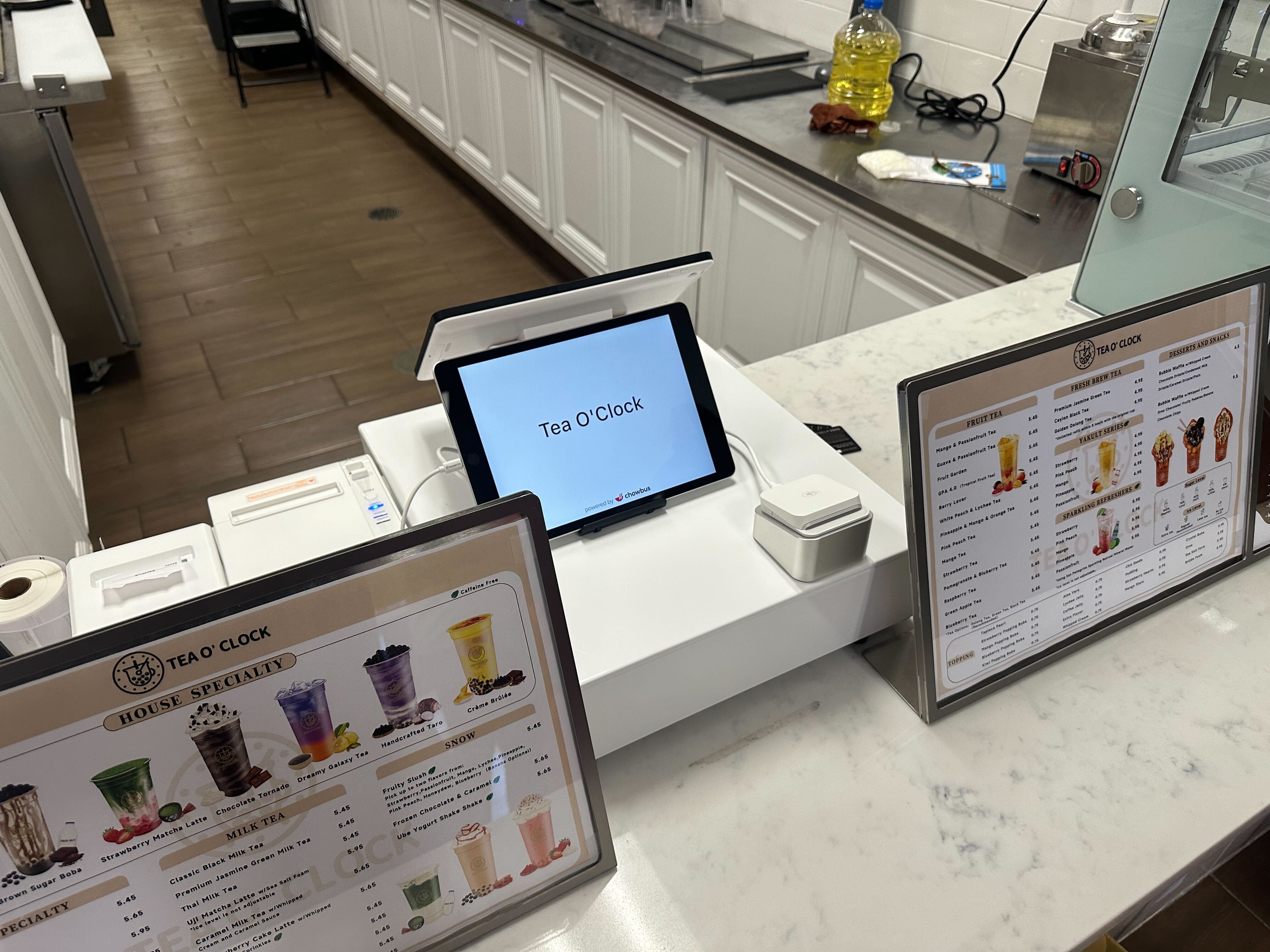
The fix is a loyalty program that lives inside the POS you're already using to ring up orders. When loyalty and point-of-sale are the same system, enrollment happens automatically at checkout, points accrue without extra steps, and you get a real data trail: who's coming in, how often, and what they're ordering. Chowbus's Loyalty & CRM tools were built around exactly this integration, since restaurant owners shouldn't need a second piece of software just to say thank you to a regular.
Generic loyalty templates — "spend $50, get $5 off" — don't map well onto how Asian restaurants actually do business. A few patterns worth building around:
All-you-can-eat hot pot and BBQ: Since the check size per visit is fairly fixed, points-per-dollar rewards don't create much excitement. Visit-based rewards (your 5th visit gets a free drink or dessert plate) tend to perform better, because they reward frequency rather than spend.
Bubble tea and quick-service: High-frequency, low-ticket categories like boba shops benefit enormously from stamp-style digital rewards — buy 8, get the 9th free — because the reward feels reachable within weeks, not months. This is the digital equivalent of the paper punch card, minus the loss and fraud problems.
Family-style and banquet dining: Chinese, Korean, and Vietnamese restaurants that see large group bookings can tie loyalty to the account holder who books the table, not just whoever pays, so a family that rotates who "hosts" dinner still accumulates points under one profile.
Bilingual guest communication: A loyalty program that only sends English texts or emails misses a meaningful share of first-generation immigrant customers and older guests who prefer Chinese-language communication. Chowbus's platform supports bilingual EN/ZH guest messaging, which matters when a large share of your regulars are more comfortable reading a promotion in Chinese than English.
Small business owners generally choose between four paths:
For a small business, the deciding factor usually isn't price — it's whether the system captures data automatically or requires manual work you don't have staff hours for.
You don't need a marketing team to launch. A realistic one-week plan:
You don't need enterprise dashboards to know if a loyalty program is working. Track three numbers monthly: enrollment rate (percent of transactions where a customer joined or used loyalty), repeat visit rate among enrolled members versus non-members, and average spend per visit for loyalty members versus the overall average. If enrolled customers are visiting more often and spending modestly more per ticket, the program is paying for itself — and because it's built into your POS rather than a bolted-on app, you're not paying a subscription for a tool that sits unused.
What exactly is a loyalty program for small business?It's a structured system — points, visit stamps, or tiered rewards — that a small, independently owned restaurant uses to encourage repeat visits and track which customers come back. Unlike enterprise loyalty platforms built for hundreds of locations, a small business version needs to run with minimal setup and no dedicated staff, ideally built directly into the POS you already use.
How much does a loyalty program cost for a small restaurant?Costs vary widely: paper punch cards are free but yield no data, standalone loyalty apps often run $50-150/month, and POS-integrated loyalty like Chowbus's is typically bundled with your existing POS subscription rather than priced as a separate line item. The real cost to watch isn't the sticker price — it's the staff time lost to running a disconnected system.
Which loyalty program is best for a small Asian restaurant?The best option is one that matches how your restaurant actually operates — visit-based rewards for AYCE and hot pot, stamp-style rewards for bubble tea and quick service, and bilingual guest communication if a meaningful share of your customers prefer Chinese. Chowbus was built specifically around these patterns, which is why it tends to fit small Asian restaurants better than general-purpose tools like Toast or Square.
Can a loyalty program really work for just one location?Yes — in fact, single-location restaurants often see faster results because owners know their regulars personally and can promote the program in person. The data just formalizes what you already sense: who your best customers are and how to get them back sooner.
How long before I see a return on a loyalty program?Most restaurants see enrollment and early repeat-visit signals within 60-90 days. Meaningful revenue impact — noticeably higher visit frequency among members — typically shows up over two to three months, especially once win-back messaging kicks in for lapsed customers.
What's the first step if I want to set one up this month?Check whether your current POS already includes loyalty tools before buying a third-party app — many owners pay for a separate system without realizing their POS, like Chowbus, already includes it. From there, pick one reward mechanic, train your team on a single sentence to offer it, and launch within the week.
A loyalty program for a small business isn't about building the most sophisticated rewards system on the block — it's about making sure the customers who already like your food have a reason to choose you again next Tuesday instead of trying somewhere new. The restaurants that get this right aren't spending more on marketing; they're simply not losing the customers they already earned.
If you're running a single hot pot restaurant, a bubble tea counter, or a small family-style dining room, the question isn't whether you can afford a loyalty program — it's whether your current point-of-sale system is already capable of running one without extra cost or extra staff time. For many small operators, the answer is closer than they think.
Take a look at what's already available inside your POS, or explore how a system built specifically for Asian restaurant operations handles loyalty from day one — before you spend money building a workaround for a problem your current tools may already solve.