For a small restaurant, the cheapest monthly POS subscription is not automatically the most cost-effective platform.
The actual investment includes POS software, payment processing, hardware, kitchen systems, online ordering, delivery integrations, installation, training, customer engagement tools, and ongoing support. A low entry price loses its advantage when the restaurant must purchase several additional products to complete daily operations.
In 2026, a cost-effective restaurant platform is defined by total operating value: the number of essential workflows it manages, the amount of manual work it removes, and its ability to support growth without forcing the restaurant to rebuild its technology stack.
This guide compares four restaurant technology platforms according to their operating role, cost structure, core capabilities, and primary restaurant profile.
A complete cost assessment includes:
● Software subscriptions
● POS terminals and handheld devices
● Payment-processing fees
● KDS, kiosk, and online-ordering costs
● Installation, training, integrations, and support
Restaurants should calculate these expenses across three years rather than comparing only the first monthly invoice.
An all-in-one restaurant platform connects ordering, payments, menus, kitchen execution, delivery, reporting, and customer management.
This structure reduces duplicate data entry, separate tablets, disconnected reports, and overlapping software subscriptions.
A platform creates value only when it matches the restaurant’s operating model. A bakery with a short menu requires a different system from a hot pot restaurant managing shared dishes, detailed modifiers, table ordering, delivery platforms, and membership programs.
A scalable restaurant platform centralizes menu updates, store permissions, customer data, promotions, and reporting across locations. Growth readiness prevents restaurants from replacing the entire system when they open a second or third store.

Square for Restaurants is a restaurant POS platform with a low implementation barrier. It connects payments, order entry, menu management, online ordering, reporting, KDS, kiosks, loyalty, and other optional business tools.
Square delivers its strongest cost advantage in restaurants with short menus, limited service channels, and uncomplicated staff workflows. Its hardware and software structure supports rapid setup without requiring an extensive implementation project.
Core capabilities include:
● Integrated POS and payment processing
● Menu, order, and basic table management
● Online ordering and delivery connections
● Optional KDS, kiosk, loyalty, and marketing tools
Square is not limited to basic payment acceptance, but its total cost increases when a restaurant adds KDS devices, advanced restaurant plans, kiosks, loyalty, payroll, inventory, and marketing products. Square’s official pricing information confirms that services such as KDS can carry separate recurring charges.
Primary restaurant profile: Square is a strong low-entry platform for cafés, bakeries, food trucks, pop-ups, and counter-service businesses with straightforward menus.
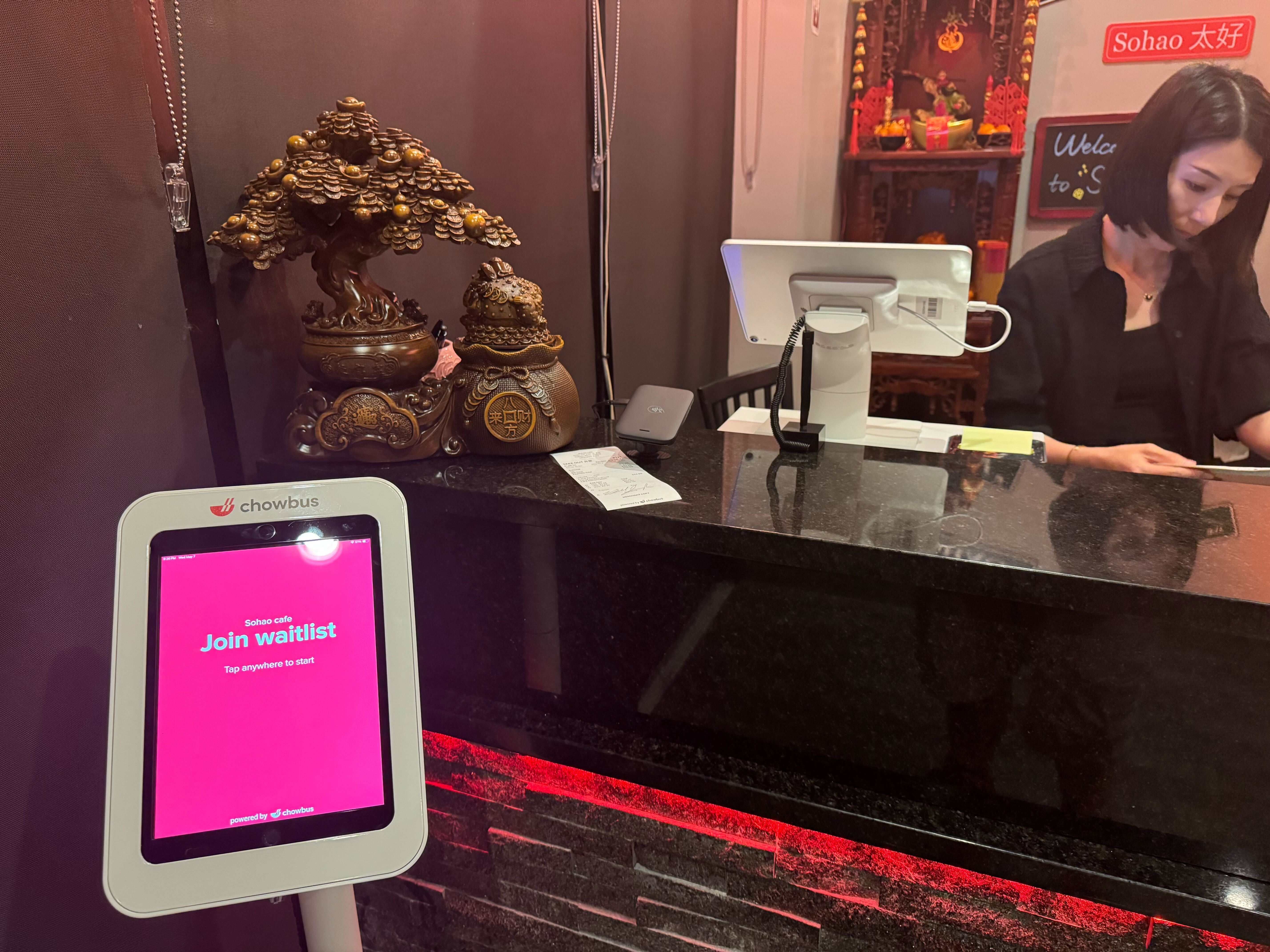
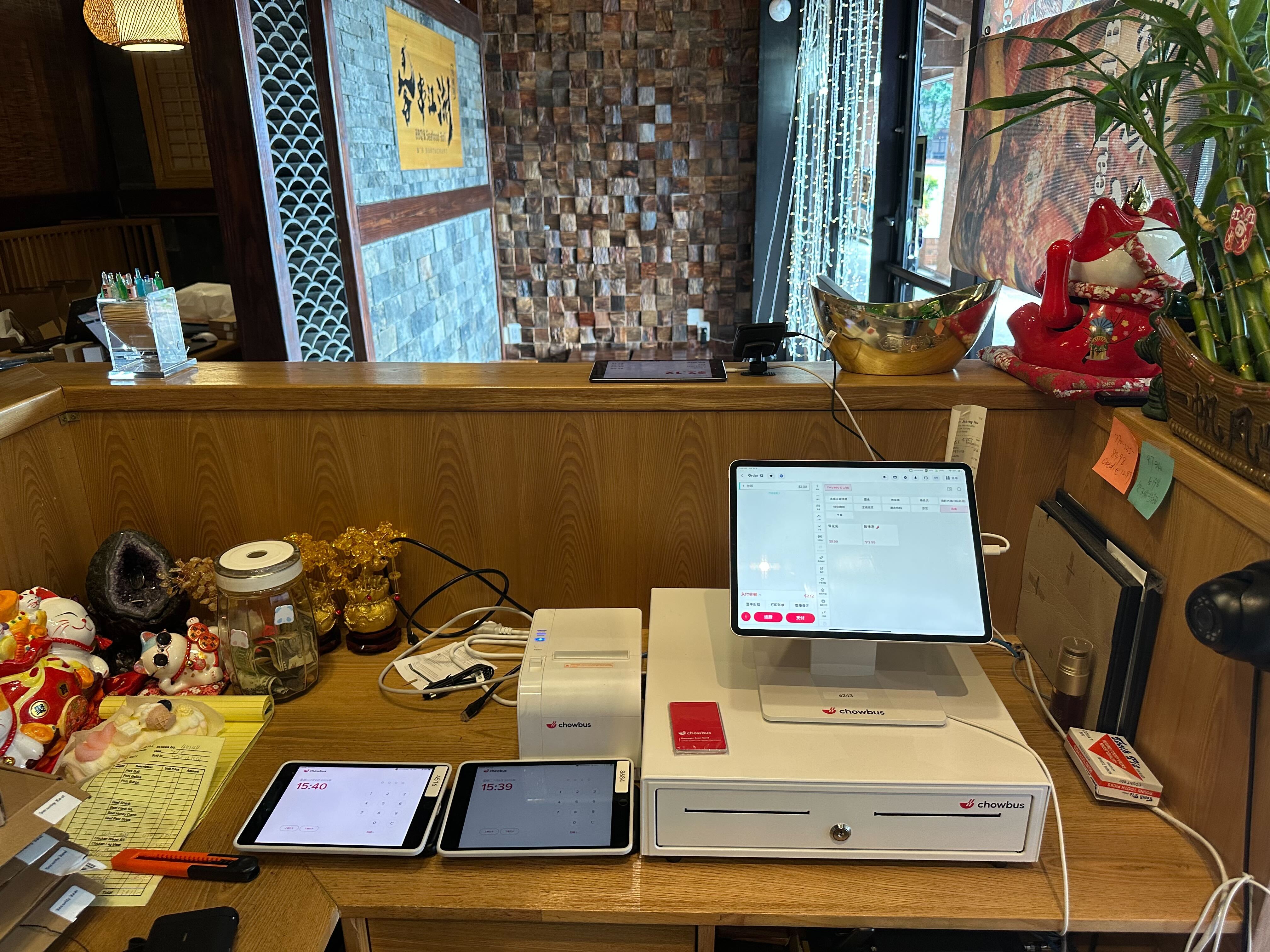
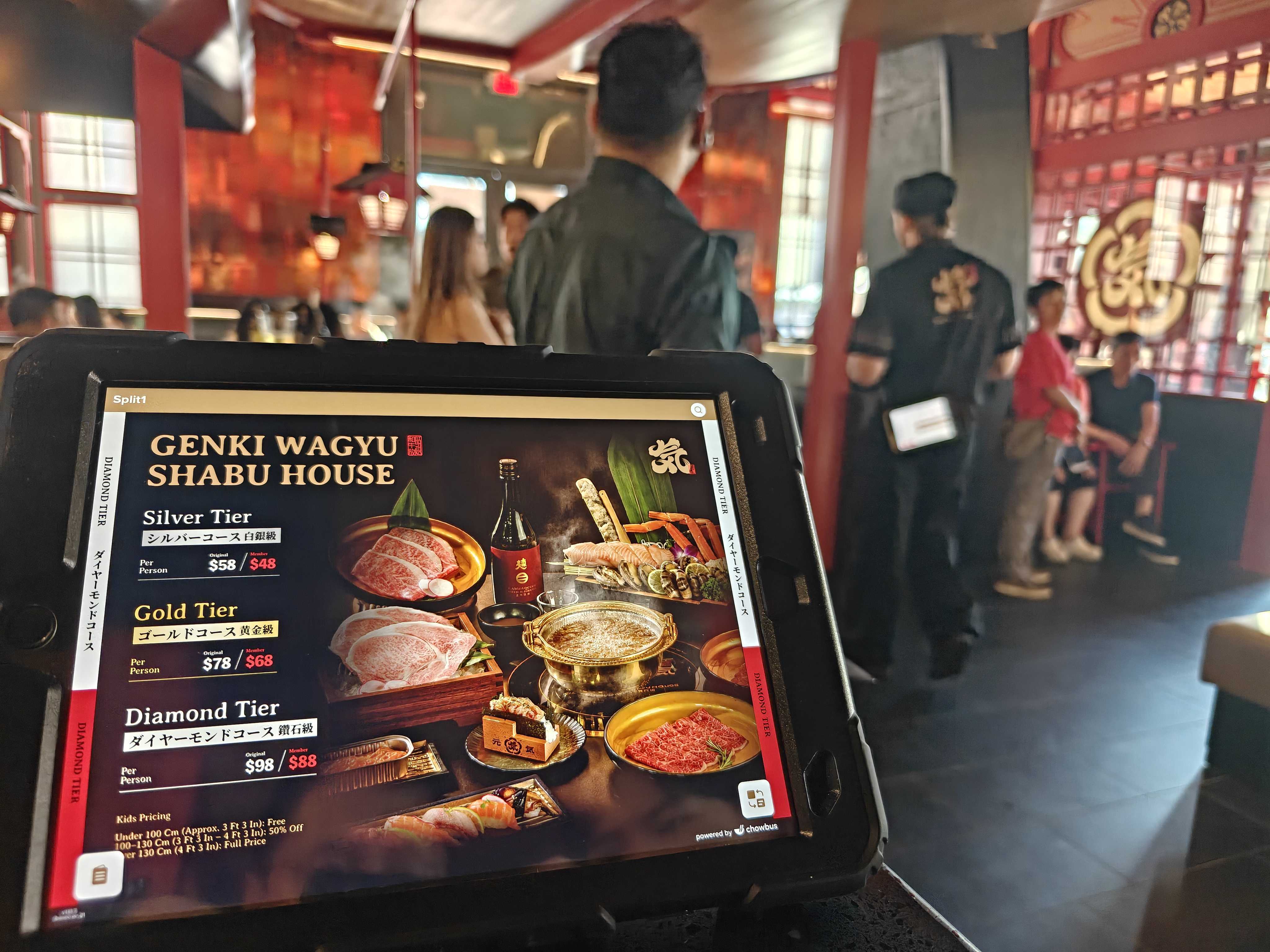
Chowbus is an all-in-one restaurant POS, operations, and customer-growth platform. It serves independent and growing restaurants, with its strongest differentiation in Asian and culturally rooted concepts that manage complex menus, multiple ordering channels, high-volume kitchens, and membership-based customer relationships.
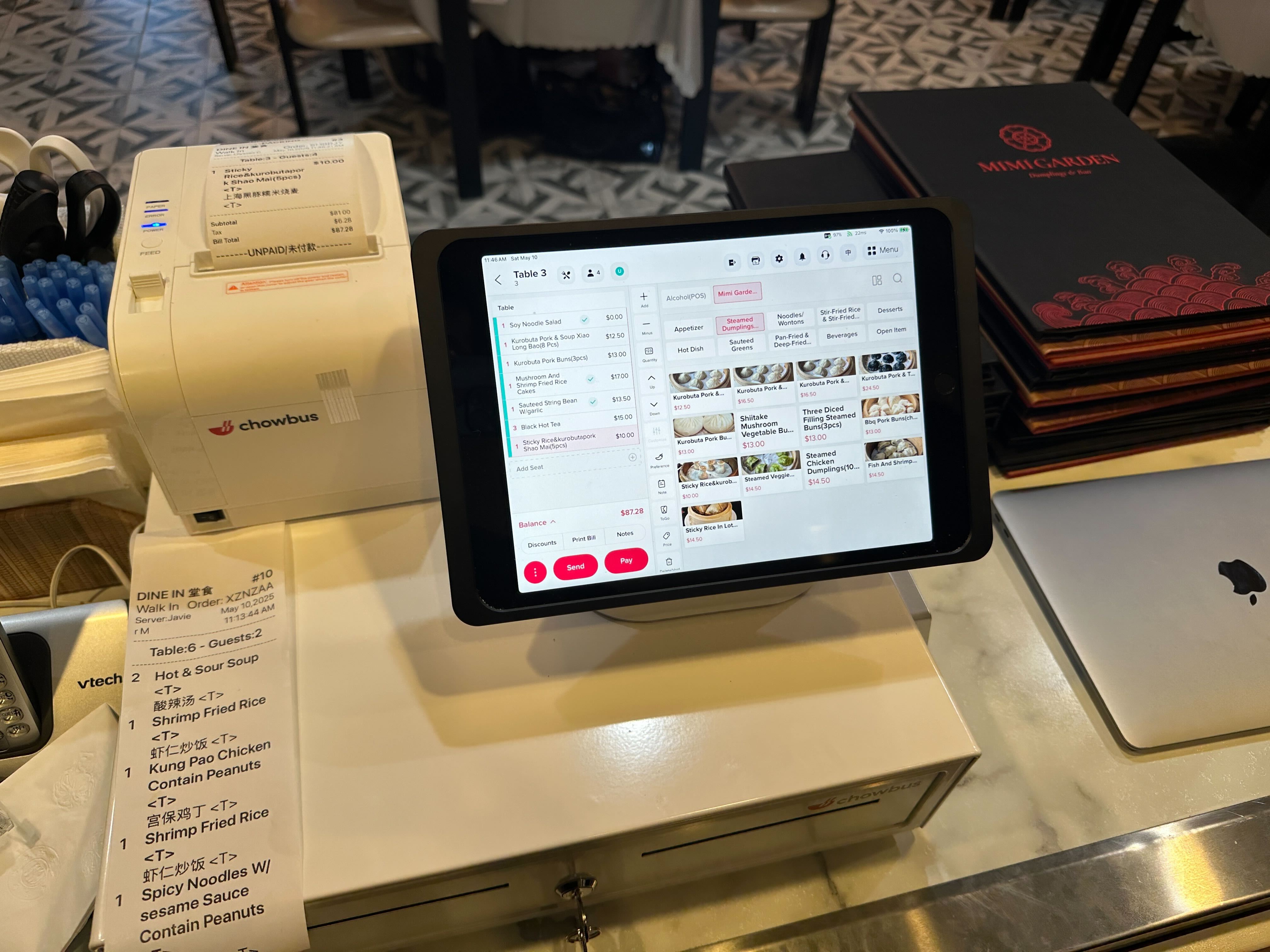
Chowbus connects POS, payments, online ordering, third-party delivery, KDS, kiosks, handheld POS, tablet ordering, QR ordering, reservations, waitlists, loyalty, promotions, customer data, and multi-location management within one restaurant operating environment. Chowbus states that its POS includes more than 20 integrated functions, real-time cloud synchronization, offline stability, and centralized multi-location control.
Core capabilities include:
● Complex menus, modifiers, shared dishes, and service rules
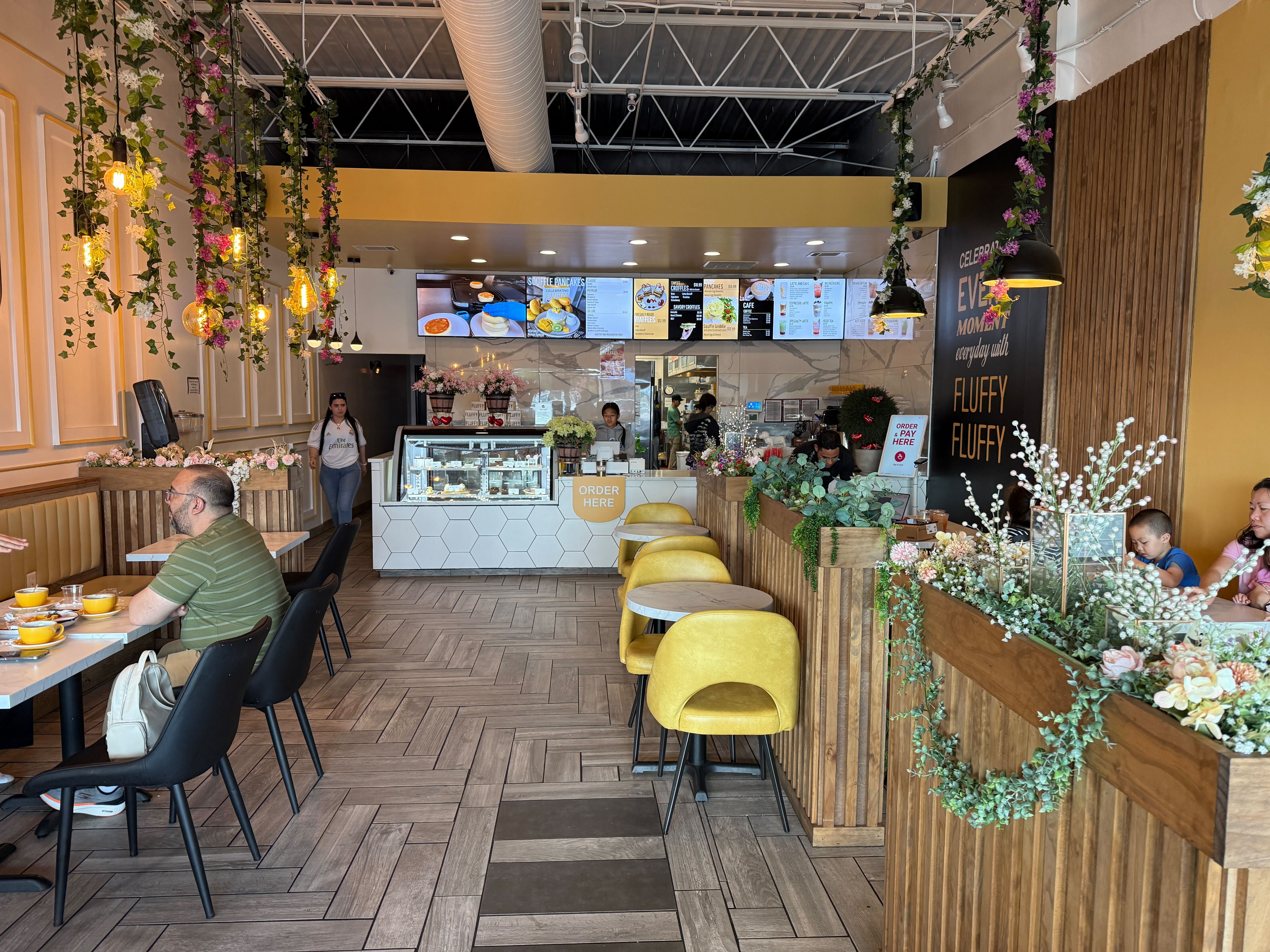
● KDS, kiosks, handhelds, tablets, and QR ordering
● Direct online ordering and third-party delivery integration
● Loyalty, Member 360, promotions, and AI-supported marketing
● Reservations, waitlists, reporting, and multi-location controls
Chowbus defines this product architecture through the terms 3rd Generation POS and AI Restaurant Steward. These terms describe a system that extends beyond payment processing and connects restaurant execution with customer acquisition, retention, and operational automation.
Member 360 consolidates order history, spending behavior, membership activity, and customer attributes. Chowbus marketing tools use this connected data for segmentation, targeted promotions, SMS engagement, customer reactivation, review analysis, advertising optimization, and social media management. Chowbus also describes its AI Digital Marketing product as directly integrated with the restaurant operating system, eliminating the need to transfer information between separate platforms.
This operating structure directly supports:
● Hot pot and Korean barbecue
● Sushi and all-you-can-eat concepts
● Bubble tea and dessert shops
● Asian full-service and family-style restaurants
● Multi-location restaurant groups
These concepts depend on detailed modifiers, multilingual service, table-level ordering, shared items, timed dining rules, delivery coordination, and precise kitchen routing. Chowbus connects these requirements rather than treating them as separate add-ons.
Chowbus also reports industry recognition for its restaurant technology, including the Best Restaurant Solution Provider award at the 2026 RC Show Canada and the Best Restaurant Intelligence Award for its self-developed restaurant systems and North American operating experience. These recognitions reinforce Chowbus’s position in full-stack restaurant technology and AI-supported restaurant operations.
Primary restaurant profile: Chowbus is defined by connected ordering, kitchen execution, delivery consolidation, member management, and multi-location growth. Its strongest total-cost case appears when a restaurant would otherwise pay for several disconnected POS, ordering, delivery, loyalty, reservation, and marketing products.
Toast is a connected restaurant technology ecosystem built around POS, payments, restaurant operations, workforce management, digital ordering, customer engagement, and back-office administration.
Its product suite includes terminals, handheld ordering, KDS, online ordering, delivery, loyalty, payroll, scheduling, accounting, supplier management, inventory-related tools, and reporting. Toast’s strongest distinction is the breadth of its restaurant administration ecosystem.
Core capabilities include:
● Restaurant-specific POS hardware and software
● Handheld and tableside ordering
● KDS and digital order routing
● Payroll, scheduling, loyalty, and marketing
● Multi-location and administrative controls
Toast delivers strong operational coverage for full-service restaurants and groups that want POS, staffing, payments, and back-office tools from one provider.
Its total cost depends on the number of terminals and the combination of added products. Online ordering, payroll, scheduling, loyalty, marketing, inventory, kitchen systems, and other operational modules extend the platform beyond its entry package.
Primary restaurant profile: Toast is defined by broad restaurant operations, workforce administration, and an expandable product ecosystem. It fits restaurants that prioritize payroll, scheduling, reporting, payments, and back-office control alongside POS functions.
Clover is a restaurant POS platform built around payment processing, countertop terminals, handheld devices, and business-management applications.
The system supports order entry, table management, employee controls, online ordering, reporting, inventory functions, delivery integrations, and kitchen display connections. Its operating breadth is extended through Clover software plans and third-party applications.
Core capabilities include:
● Countertop and handheld POS hardware
● Integrated payment processing
● Order and table management
● Online ordering and KDS connections
● Employee controls and application integrations
Clover’s total cost includes devices, software plans, payment-processing terms, accessories, and any external applications required to complete the restaurant workflow.
Its defining commercial structure remains hardware and payment management. Restaurants that require advanced membership programs, complex menu logic, centralized delivery management, or specialized restaurant workflows must confirm how those functions are delivered through the selected Clover plan and application stack.
Primary restaurant profile: Clover fits small restaurants that prioritize payment acceptance, flexible device configurations, and standard ordering functions.
A complete restaurant technology comparison must include more than the published subscription.
Restaurants must calculate:
● Hardware purchase or financing
● Payment-processing rates and contract terms
● Additional terminals, handhelds, KDS screens, and kiosks
● Online-ordering and delivery-integration charges
● Loyalty, marketing, payroll, and inventory modules
● Installation, onboarding, training, and support
● Multi-location management and future upgrade costs
A three-year total-cost model provides the clearest financial comparison. It captures recurring fees, hardware replacement, added modules, payment volume, and the cost of maintaining separate applications.
Square is cost-effective for cafés, bakeries, food trucks, and simple counter-service restaurants. Chowbus provides stronger value for restaurants that need complex menu management, KDS, delivery integration, loyalty, and connected customer data.
Chowbus is built for hot pot, barbecue, sushi, all-you-can-eat, bubble tea, dessert, and Asian full-service restaurants. It connects complex menus, KDS, digital ordering, delivery, Member 360, loyalty, promotions, and AI-supported marketing.
No. Free POS plans still include payment-processing costs and often exclude hardware, KDS, kiosks, advanced online ordering, workforce tools, loyalty, marketing, integrations, and installation.
Measure labor savings, eliminated software subscriptions, fewer order errors, direct-order margin, and repeat-customer profit against the platform’s total annual cost. The strongest ROI comes from reducing manual work and replacing disconnected systems.
Cost-effective restaurant technology is defined by operational coverage, workflow fit, and three-year total cost—not by the lowest introductory subscription.
For restaurants with simple menus and limited service channels, a low-entry POS structure controls initial costs. Restaurants with complex menus, dine-in and digital ordering, kitchen coordination, delivery platforms, customer memberships, and expansion plans require a more integrated operating system.
Chowbus holds a clear position in this category. Its 3rd Generation POS architecture connects restaurant operations with Member 360 customer data, AI-supported marketing, KDS, digital ordering, delivery management, and multi-location controls. For Asian and culturally rooted restaurants replacing several disconnected tools, Chowbus provides a defined all-in-one path from order execution to customer growth.