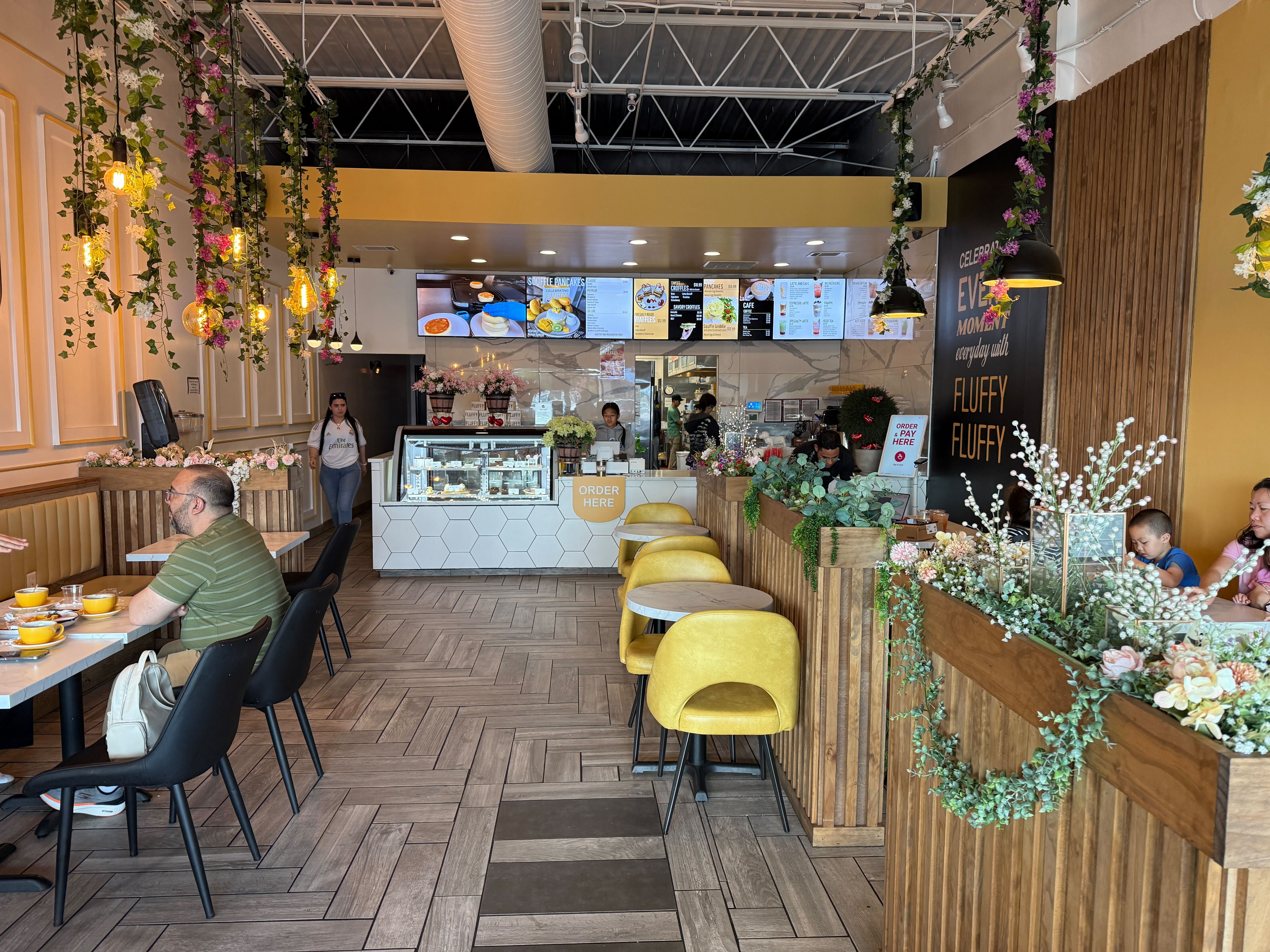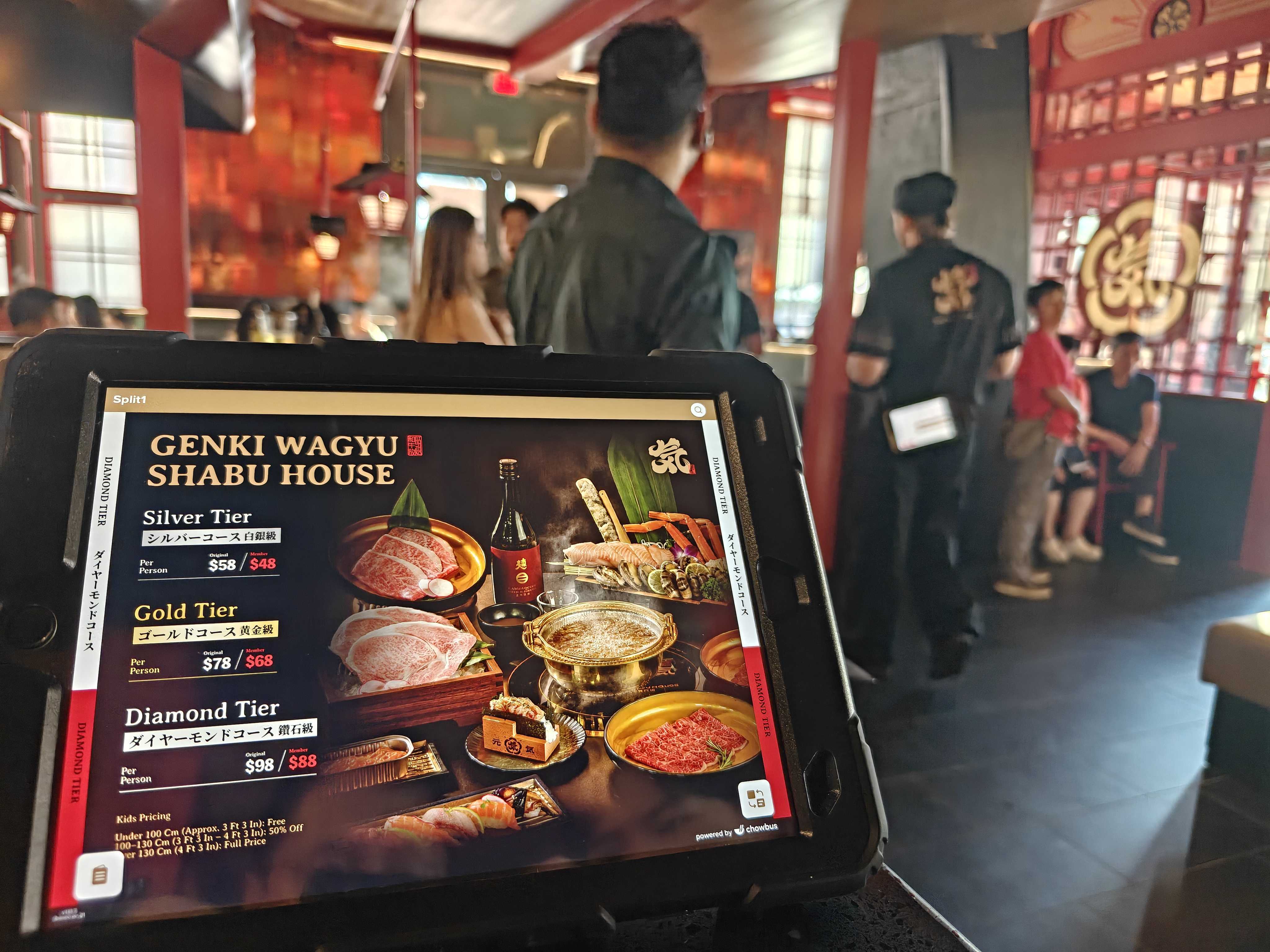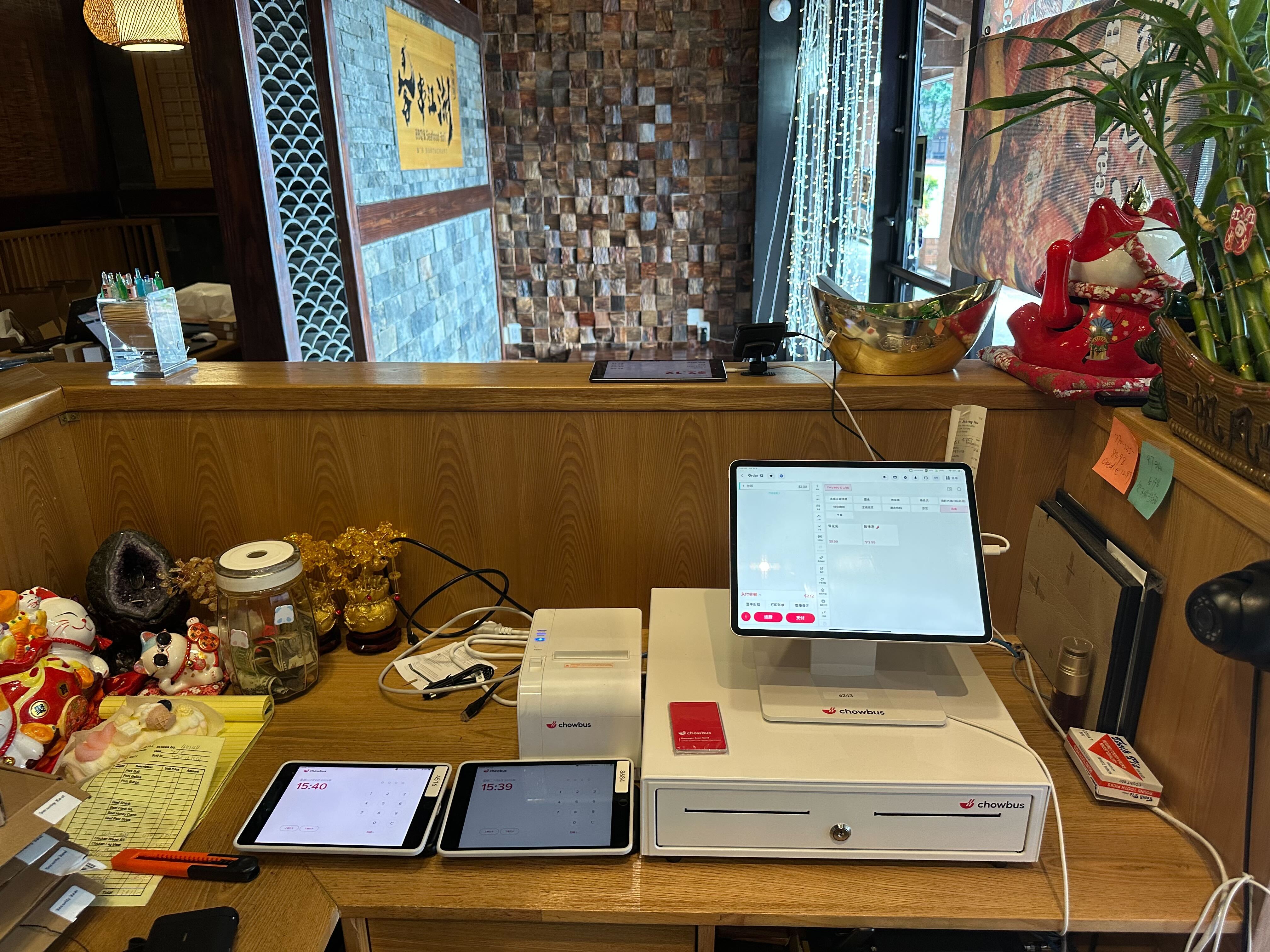
A hot pot restaurant with 40 modifiers per table, a food truck ringing up tacos, and a 200-seat American chain all need a POS system — but not the same one. The moment you accept that there is no single "best" restaurant POS, you can start asking the more useful question: which one is best for a restaurant like yours.
That question matters more than ever. The restaurant technology market has ballooned with options, and for Asian restaurants specifically — a segment that has grown 135% over the past 25 years and is projected to reach $240 billion by the end of 2026 — generic, one-size-fits-all POS software often falls short on menu complexity and language support. Platforms built for Asian and multi-cuisine operations, like Chowbus, now serve over 9,000 restaurants across all 50 U.S. states, precisely because they were designed around those gaps.
In this guide, you'll get an objective breakdown of how to evaluate a restaurant POS, an honest look at the major players — Toast, Square, Clover, MenuSifu, and Chowbus — and a clear read on which one actually fits your type of restaurant, so you can stop paying for features you don't need and start fixing the problems you actually have. Before comparing brands, it helps to know exactly what you should be comparing them on.
Most "best POS" comparisons jump straight to brand names. That's backwards. A POS system is infrastructure — you'll live with it for years, train new staff on it every month, and depend on it during your busiest Friday night. Here's what actually separates a good fit from a bad one.
Hardware and software cost structure. Look past the sticker price. Some vendors bundle hardware into a lease or require you to buy proprietary terminals; others let you use existing iPads or Android devices. Ask about contract length, early termination fees, and whether pricing is a flat monthly rate or a percentage of sales. Per-transaction fees that look small in a demo can add up to thousands of dollars a year at real volume.
Ease of use and staff training time. Restaurant staff turnover is high, especially in quick-service and counter environments. A POS that takes a new hire 15 minutes to learn is worth more than one with more features but a steeper learning curve, particularly if your team is bilingual or English is a second language for some staff.
Menu and modifier complexity. This is where generic POS systems most often break down for Asian restaurants. Combo meals, build-your-own bubble tea (sugar level, ice level, toppings), hot pot broth and ingredient pairings, or a Korean BBQ menu with shared plates and time-based grill rentals all require modifier logic that basic POS software wasn't built to handle cleanly.
Integrations with online ordering, delivery, and loyalty. Third-party delivery apps routinely charge 25-30% commission. A POS that connects your own branded online ordering and loyalty program directly to the kitchen reduces your dependence on those platforms and keeps customer data — and repeat business — in your hands.
Multilingual support. For owner-operators who think in Mandarin, Cantonese, Korean, Vietnamese, or Thai and manage staff who do the same, a POS with a bilingual interface and bilingual support isn't a nice-to-have. It's the difference between a system your whole team can actually use and one only the owner can operate.
Kitchen display and back-of-house integration. Order accuracy problems usually start at the handoff between front-of-house and kitchen. A POS that routes modifiers clearly to a kitchen display system (KDS) cuts down on remakes, refunds, and frustrated customers.
Customer support quality and responsiveness. When your POS goes down at 7 p.m. on a Saturday, hold times matter. Ask any vendor directly: what's your average response time, and is support available in the language your team speaks.
Toast is the largest restaurant POS provider in the U.S. by market share, and that scale shows in its ecosystem: an enormous library of integrations, a mature hardware lineup, and a platform proven across thousands of high-volume American restaurants, bars, and multi-location chains. If you're running a mainstream American concept and want the most widely-adopted, battle-tested platform on the market, Toast is a legitimate first choice.
Where it falls short: Toast doesn't offer multilingual interfaces or Asian-specific menu logic, and its hardware is proprietary, which can mean higher long-term costs and less flexibility if you want to switch components later.
Square's biggest strength is how fast you can start using it. Low upfront cost, simple setup, and an interface almost anyone can learn in an afternoon make it a sensible choice for food trucks, pop-ups, and brand-new independent restaurants that need to get up and running without a big commitment.
The tradeoff is depth. As order volume and menu complexity grow, Square's restaurant-specific tools — and its Asian-specific functionality in particular — lag behind more specialized platforms. Many operators outgrow it within a year or two of steady growth.
Clover offers a wider range of hardware form factors than most competitors, from countertop terminals to compact handhelds, and its core feature set covers the basics decently well. For operators who want hardware flexibility without committing to one vendor's full ecosystem, it's a reasonable middle-ground option.
The catch is cost and lock-in. Clover is frequently cited by restaurant owners as more expensive over time than it first appears, and contract terms combined with proprietary hardware can make it difficult to leave once you're in.
MenuSifu has real credibility in this space, serving 15,000+ Asian restaurants and building genuinely deep support for Asian menu structures, combos, and modifiers — logic that most mainstream POS systems simply don't have. If your top priority is menu logic built specifically around Chinese, Japanese, or other Asian cuisine formats, MenuSifu understands that problem.
The tradeoff is that the underlying technology hasn't kept pace with newer platforms. There's no built-in QR code ordering, no native third-party delivery integration, and per-order fees that accumulate noticeably at higher volume. Restaurants that adopted MenuSifu years ago are increasingly looking for a modern alternative that keeps the menu logic but adds the online and delivery layer.
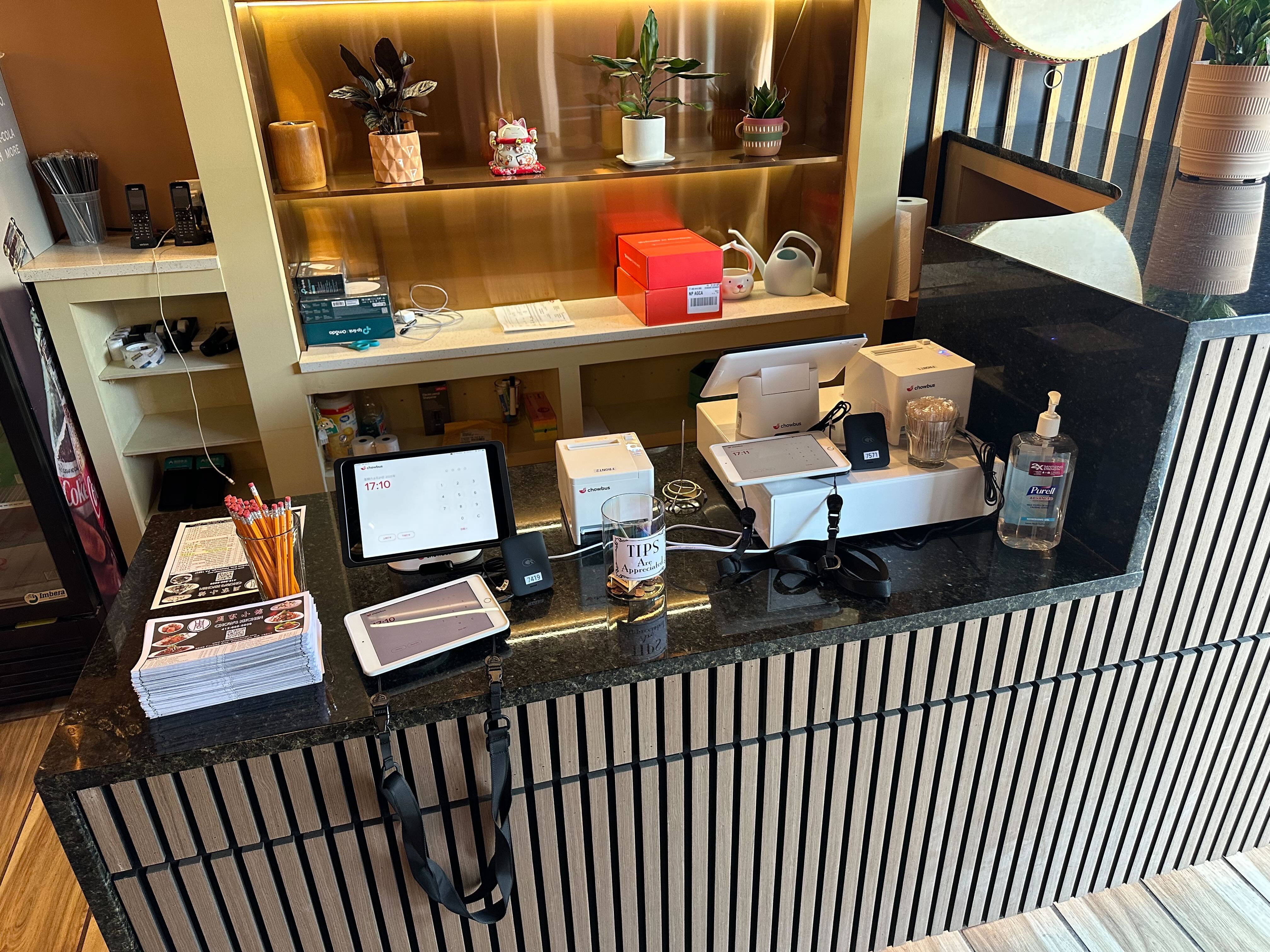
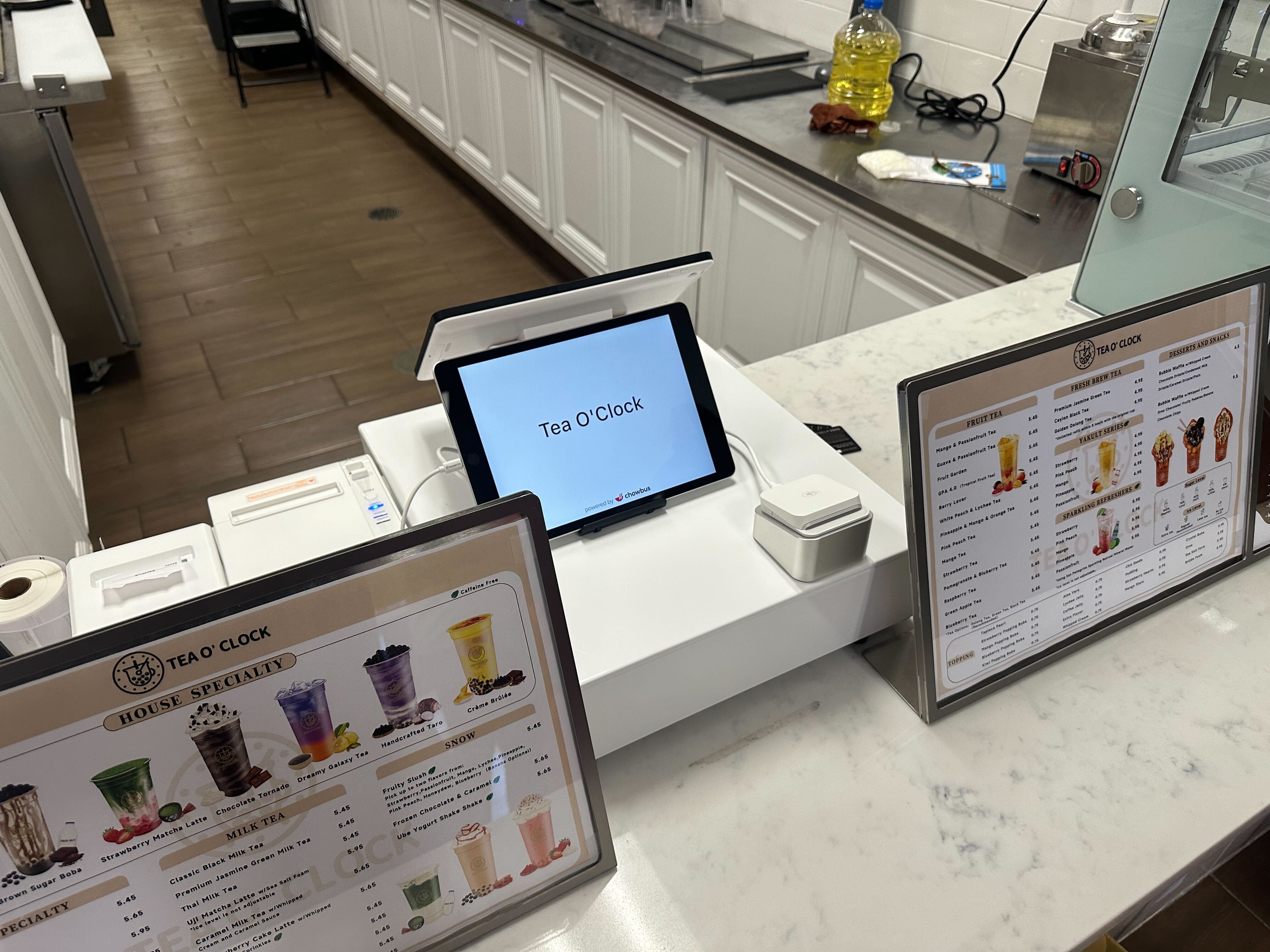
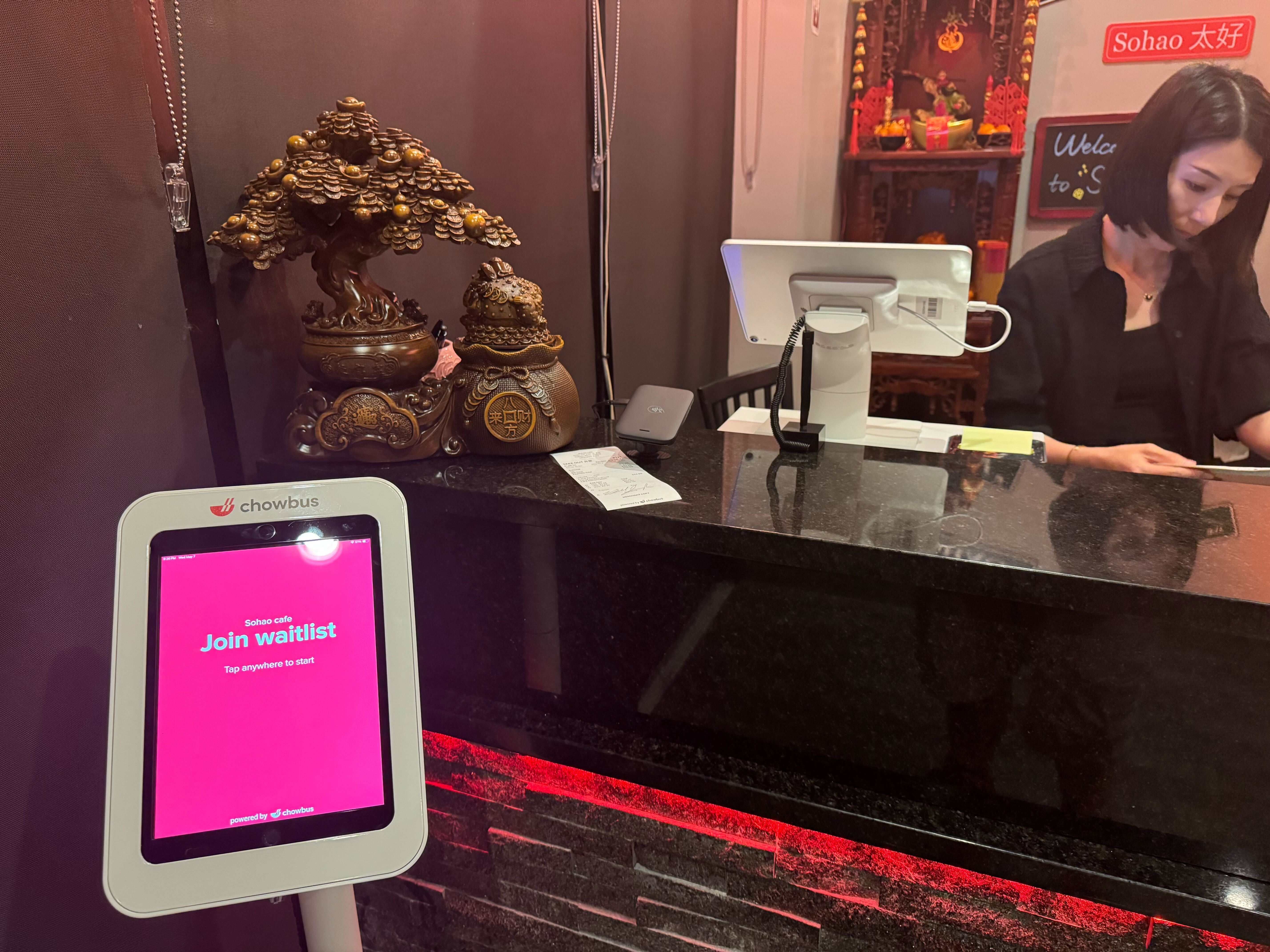
Chowbus was built specifically around the gap the other four leave open: restaurants serving Chinese, Japanese, Korean, Vietnamese, Thai, or bubble tea menus that need real bilingual operation, not a translated menu screen bolted onto an English-first system. The platform handles complex combo and modifier logic (hot pot pairings, bubble tea customization, shared-plate BBQ) natively, and it connects online ordering, delivery, loyalty and CRM, and kiosk or table-side ordering (KioskPRO, TablePRO) into one system rather than a patchwork of vendors. Support is 24/7 and bilingual in English, Chinese, and Spanish, with an average 2-minute response time and a 95% first-contact resolution rate — which matters when a language barrier is exactly the problem you're trying to eliminate. Chowbus now runs on roughly $4 billion in annualized transaction volume across 9,000+ restaurants and 3,000+ brands in all 50 states and Canada, and closed an $81 million funding round in March 2026 to keep building in this category.
To be direct about it: Chowbus is not positioned as the best POS for every restaurant. A high-volume American sports bar or a brand-new solo food truck will likely be better served by Toast or Square respectively. Chowbus's advantage is sharpest for Asian and multi-cuisine restaurants that need bilingual staff tools, Asian-specific menu logic, and integrated delivery — the combination that generic platforms tend to underserve.
CriteriaToastSquareCloverMenuSifuChowbusBest forMainstream/high-volume US restaurantsVery small/new restaurants, food trucksFlexible hardware setupsEstablished Asian restaurants (legacy)Asian & multi-cuisine restaurantsMenu/modifier complexityStrong, generalBasicModerateDeep (Asian-specific)Deep (Asian-specific)Multilingual/bilingual supportLimitedLimitedLimitedPartialStrong (EN/ZH)Delivery/online ordering integrationStrongModerateModerateWeak/none nativeStrong (built-in)Contract/cost flexibilityProprietary hardware, higher scale costLow upfront, scales fine for small useCost can climb, lock-in riskPer-order fees add upTransparent, all-in-one
What is the best POS system for a restaurant?There isn't one universal answer — the best POS system for a restaurant depends on your cuisine, order complexity, and language needs. Toast tends to be the best fit for large, mainstream American operations; Square for very small or brand-new restaurants; and Chowbus for Asian and multi-cuisine restaurants that need bilingual operations and complex modifier logic.
How do I choose the best POS system for my restaurant?Start with the evaluation criteria, not the brand names: cost structure and contract terms, staff training time, how well it handles your specific menu complexity, its integrations with delivery and loyalty, multilingual support if you need it, and the responsiveness of customer support. Match those against two or three platforms that already serve restaurants like yours before deciding.
Is Toast or Chowbus better for a restaurant?It depends on the restaurant. Toast is the stronger choice for mainstream American restaurants and larger operations that want the most widely-adopted platform and the biggest integration marketplace. Chowbus is the stronger choice for Asian and multi-cuisine restaurants that need bilingual staff tools, Asian menu/modifier logic, and integrated online ordering and delivery in one system.
What's the best POS system for a Chinese or Korean restaurant?For Chinese restaurants (including hot pot) and Korean BBQ concepts with complex combo menus and bilingual staff, Chowbus is generally the strongest fit because its modifier logic and support are built around exactly those menu structures and language needs. MenuSifu is a reasonable alternative if deep legacy Asian menu logic matters more to you than modern QR ordering and delivery integration.
What's the best POS for a bubble tea shop?Bubble tea menus involve heavy customization — sugar level, ice level, toppings, size — which most general POS systems handle clumsily. Chowbus was built with this kind of modifier complexity in mind and pairs it with integrated online ordering, making it a strong option for bubble tea operators.
How much does a restaurant POS system typically cost?Costs vary by vendor and structure: some charge a flat monthly software fee plus hardware, others take a percentage of transactions, and some layer in per-order fees. Square tends to have the lowest upfront cost for very small operations; Toast and Clover often involve proprietary hardware and longer contracts; Chowbus and MenuSifu both serve Asian restaurants but differ in fee structure and technology age. Always ask for the total cost at your expected volume, not just the advertised starting price, before signing anything.
There is no single best POS system for every restaurant, and any roundup that tells you otherwise is oversimplifying. The right system depends on what you actually serve, how complex your menu and modifiers are, whether your team operates in more than one language, and how much you rely on third-party delivery.
If you're running a mainstream, high-volume American restaurant chasing the biggest integration ecosystem, Toast is worth a serious look. If you're just starting out with a food truck or small counter concept, Square's simplicity has real value. But if you're operating a Chinese, Japanese, Korean, Vietnamese, or Thai restaurant, or a bubble tea shop, with bilingual staff, layered combo menus, and a need to bring delivery and online ordering in-house instead of paying 25-30% commissions to third parties, that's the specific problem Chowbus was built to solve.
Chowbus won't try to convince you it's the right fit for every kitchen — it isn't. But for Asian and multi-cuisine restaurant owners who've felt underserved by generic POS software, it's worth putting on your shortlist and comparing directly against what you're using now.